
Phil Lynott: Irish singer-songwriter and leader of Thin Lizzy
Phil Lynott (1949–1986) was an Irish singer, bassist and songwriter best known as the frontman of Thin Lizzy. He combined rock, Irish melody and storytelling, influencing later hard rock and metal acts.
Philip Parris "Phil" Lynott (20 August 1949 – 4 January 1986) was an Irish singer, songwriter and bassist whose voice and songwriting defined Thin Lizzy, one of Ireland's most influential rock bands. Lynott was born in West Bromwich, England, and moved to Dublin at a young age, where he grew up and began his musical career. He became widely known for his charismatic stage presence, melodic bass lines and ability to blend rock energy with Irish musical influences. For general background see biographical summaries.
Image gallery
7 Images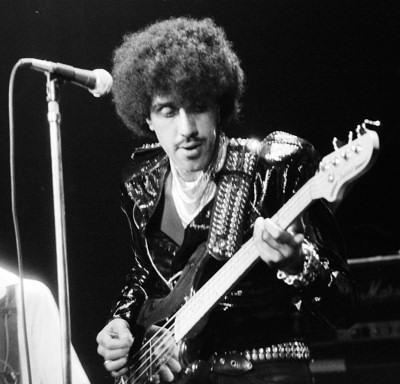




Early life and formation
Lynott was raised in Dublin from about the age of four by his mother, Philomena Lynott, who worked as a businesswoman and single parent. His mixed cultural background and Dublin upbringing shaped his outlook and lyrics. He left school early to pursue music, initially playing with a number of local groups before forming a band that would become Thin Lizzy. Short accounts and archival material are available at biographical resources and local histories at regional archives. His formative years in Dublin are often noted in accounts of the city's postwar music scene (Dublin music history).
Thin Lizzy and musical career
Lynott founded Thin Lizzy in 1969 and remained the group's primary songwriter, bassist and frontman until the band initially disbanded in 1983. Under his leadership the band developed a twin-guitar rock sound and wrote songs that combined hard rock riffs with memorable melodies. Thin Lizzy recorded a string of albums and scored international hits, and Lynott also pursued collaborations with other artists. See discographies and collaborative notes at band records and musician credits at session listings. He famously worked with guitarist Gary Moore and other contemporaries (collaborations).
Style, songwriting and notable works
Lynott's songs often told stories of urban life, camaraderie and personal reflection. His voice combined grit with melody, and his bass playing was both rhythmic and melodic, placing him among notable singer-bassists in rock. Thin Lizzy's most recognisable songs include:
- "The Boys Are Back in Town" — a rock anthem that brought the band mainstream success
- "Jailbreak" — showcasing tight rock arrangements and a driving chorus
- "Whisky in the Jar" — an interpretation of a traditional Irish song that became a rock hit
- "Waiting for an Alibi" — a later single with strong melodic hooks
Beyond group work, Lynott recorded solo material in the early 1980s, releasing two albums that explored a mix of rock, soul and pop influences; these solo projects and guest appearances are documented in many music guides (solo discography, guest appearances).
Later years and death
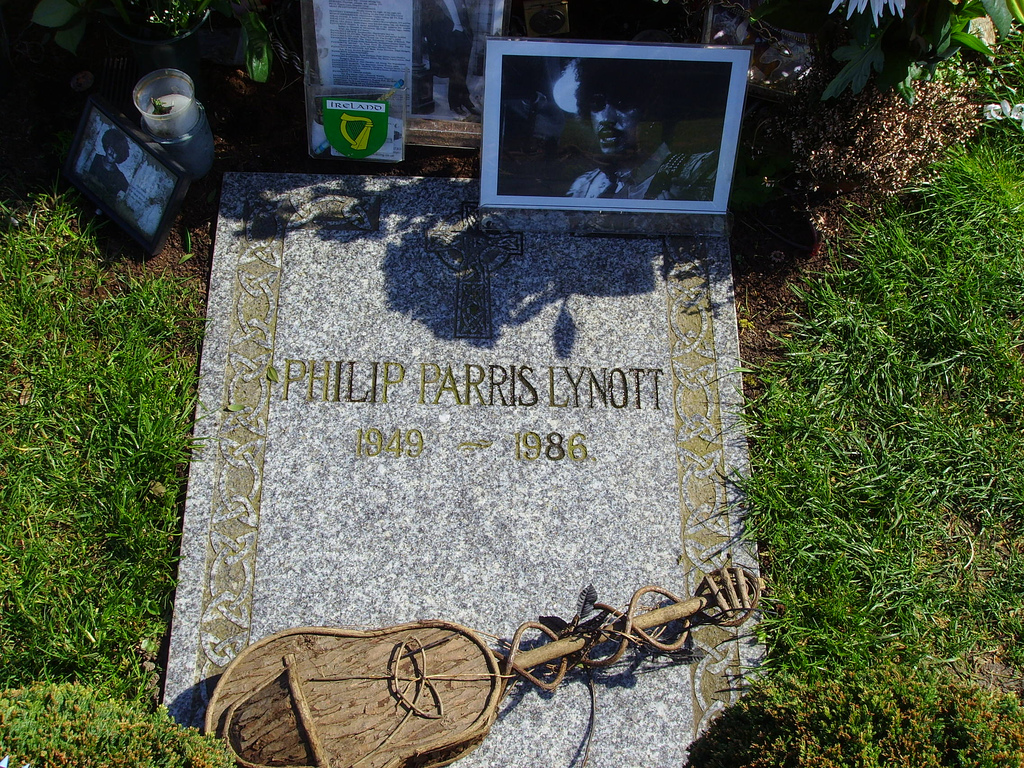
In the years after Thin Lizzy's peak, Lynott faced health problems linked to substance use. He struggled with drugs and alcohol in his later life, an issue discussed cautiously in many biographies (health and addiction coverage). On 25 December 1985 he collapsed and was taken to a clinic in Wiltshire; reports indicate he was treated for severe infection and later diagnosed with septicaemia. While being cared for in Salisbury he developed pneumonia and heart complications and died on 4 January 1986 at the age of 36. Further medical and contemporary reporting can be found at medical reports and news archives.
Legacy and influence
Lynott is remembered as a pioneering Irish rock figure who opened paths for later musicians in Ireland and beyond. His emphasis on story-driven lyrics, melodic bass work and the twin-guitar sound of Thin Lizzy influenced hard rock and early heavy metal bands. Posthumous tributes, reissues and commemorations — including plaques, biographies and tribute concerts — underline his continuing cultural impact. For commemorative projects and further reading see memorials and tribute archives.
Selected topics for further exploration:
- Detailed Thin Lizzy album chronology and personnel changes
- Analysis of Lynott's bass technique and songwriting methods
- Contemporary accounts of the 1970s–80s rock scene in Ireland and the UK
Related articles
Author
AlegsaOnline.com Phil Lynott: Irish singer-songwriter and leader of Thin Lizzy Leandro Alegsa
URL: https://en.alegsaonline.com/art/76391
Sources
- news.bbc.co.uk : "1986: Thin Lizzy star dies"