
Phil Hill — American racing driver and 1961 Formula One champion
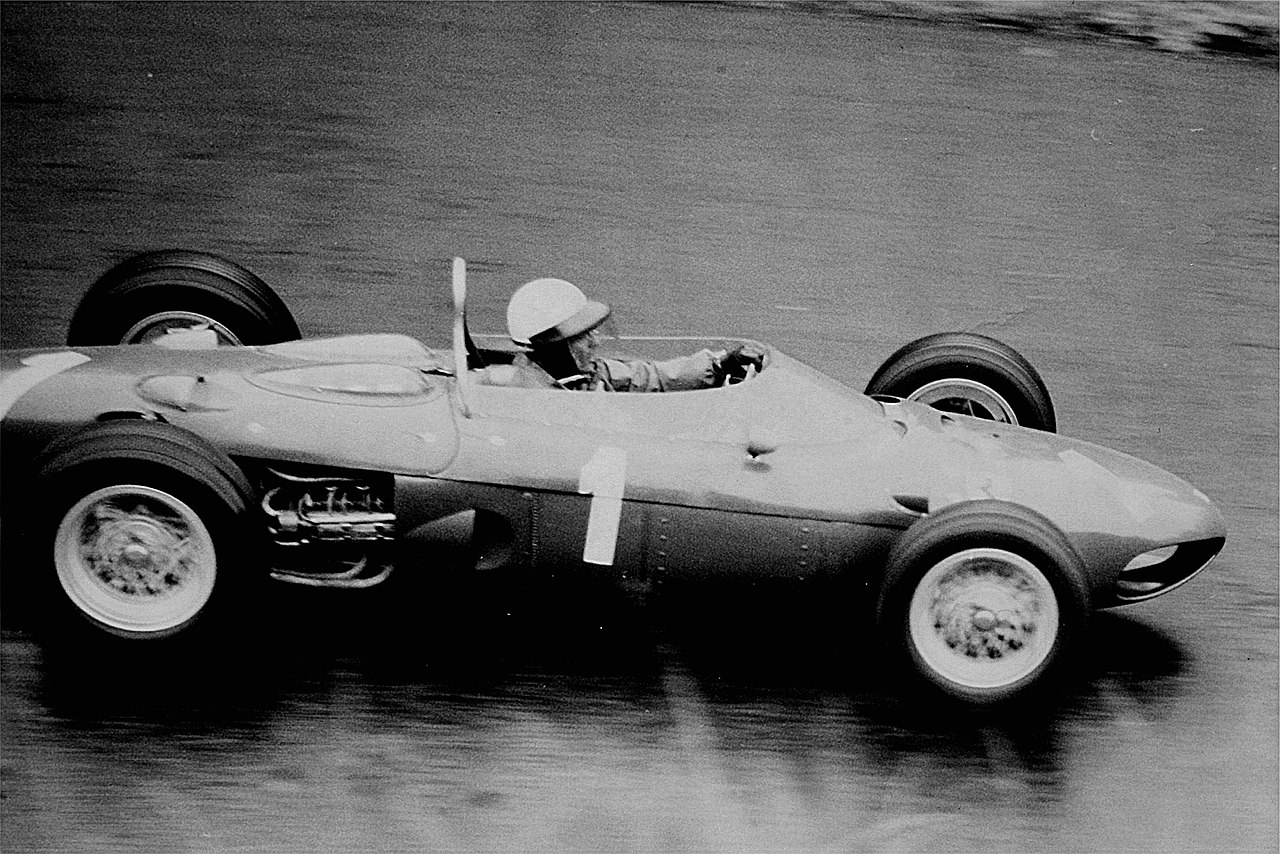
Phil Hill (April 20, 1927 – August 28, 2008) was the only American-born Formula One World Champion, winning in 1961. He is remembered for his calm, analytical driving and successes with Ferrari in single-seaters and sports cars.
Phil Hill (born April 20, 1927 — died August 28, 2008) was an American racing driver and the only American-born winner of the Formula One World Drivers' Championship. He rose through sports-car competition to become a works driver for Scuderia Ferrari, combining success in Grand Prix racing with a distinguished record in endurance events.
Image gallery
5 Images


Overview
Hill's driving career spanned the 1950s and 1960s, an era of rapid technical change and significant danger in international motorsport. He secured the peak achievement of his single-seater career when he won the 1961 Formula One World Drivers' Championship. That season was notable both for Hill's consistent results and for the tragic accident at Monza that claimed the life of his teammate; the circumstances of the year remain integral to assessments of the title.
Racing career
Originally active in national and sports-car events, Hill attracted attention with steady lap times, technical feedback and an ability to manage long races. Recruited by Ferrari, he competed in numerous World Championship Grands Prix and took part in major endurance races. His sports-car program included entries in classic events such as the 24 Hours of Le Mans and other endurance fixtures where factory teams prioritized reliability and teamwork.
Driving style and personality
Hill was often described as thoughtful and deliberate rather than flamboyant. He himself acknowledged a reluctance for the more aggressive side of racing, saying he felt out of place in a sport that demanded ruthless competition: "I'm in the wrong business. I don't want to beat anybody, I don't want to be the big hero. I'm a peace-loving man, basically." Contemporary accounts and later profiles emphasize his analytical approach to setup and race strategy.
Legacy and later life
Phil Hill's place in motorsport history rests on both his 1961 championship and his broader contributions to sports-car racing. He remained active in the automotive community after retiring from full-time competition, participating in historic events and supporting archival projects. Further reading and archival material are available in biographical sources and photographic collections: general biography here, contemporary reports and season summaries here, interviews and personal recollections here and image archives here.
Related articles
Author
AlegsaOnline.com Phil Hill — American racing driver and 1961 Formula One champion Leandro Alegsa
URL: https://en.alegsaonline.com/art/76387