
Acropolis: elevated stronghold, sacred hill, and urban center
An acropolis is a fortified or elevated part of a city—often the site of temples, palaces and defenses. Famous examples include the Acropolis of Athens and elevated complexes in Mesoamerica.
Overview
The term acropolis comes from Ancient Greek (ἀκρόπολις), literally "high city" from akros (high, outermost) and polis (city). In classical usage an acropolis is the elevated section of a settlement, chosen for its natural defensibility and visibility. Such places combined practical military functions with symbolic and religious importance.
Image gallery
5 Images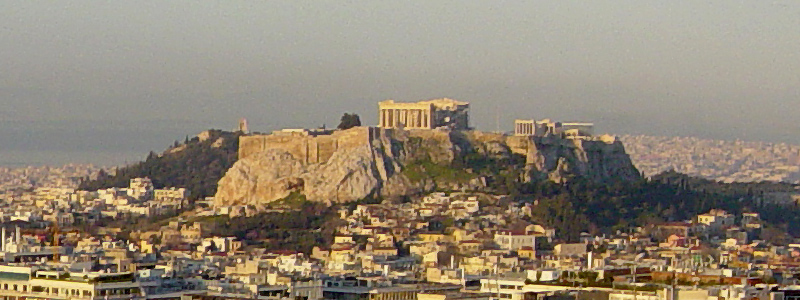


Form and typical features
Acropoleis vary widely in scale and plan, but often include fortified walls and a central stronghold or citadel. They commonly host temples, administrative buildings, royal residences and public storage. Many were adapted over centuries, so their remains show layers of construction from early fortifications to later monumental architecture.
Typical elements can include:
- defensive ramparts and gates
- religious sanctuaries and altars
- palaces or administrative complexes
- storerooms and water cisterns
History and notable examples
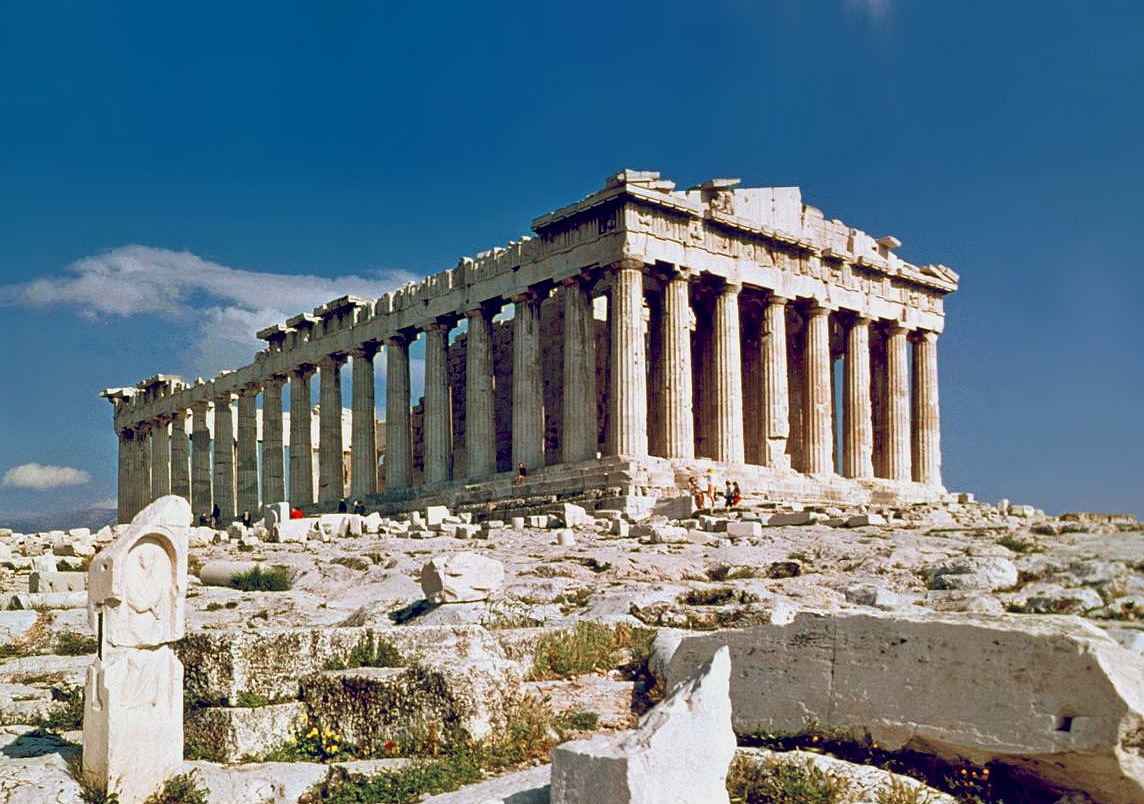
The best-known example is the Acropolis of Athens, with its Parthenon and other Classical temples (Acropolis of Athens). In the Aegean Bronze Age, fortified hilltops at Mycenae and Tiryns functioned as acropoleis and centers of power. Outside the Mediterranean the term is also applied to elevated ceremonial cores in other cultures, such as dense plaza-and-pyramid complexes in Maya cities (plazas and pyramids), including important sites like Tikal and Copán (Maya contexts).
Uses, significance and study
Acropoleis served multiple roles: military defense, visible seat of political power, and center for public cult and ceremonies. Their elevated position made them landmarks and focal points for urban life. Archaeologists study acropoleis to understand urban planning, religious practice and state formation, because these sites often preserve long sequences of human activity.
Conservation and distinctions
Many acropoleis are protected heritage sites and attract tourism, scholarship and conservation efforts. In modern writing, "acropolis" may be used broadly for any high-town core, but it differs from a simple "citadel" by often combining civic, religious and monumental functions rather than serving only as a last refuge in war.
Tags
Related articles
Author
AlegsaOnline.com Acropolis: elevated stronghold, sacred hill, and urban center Leandro Alegsa
URL: https://en.alegsaonline.com/art/765