
Phenomenology: the study of conscious experience and lived meaning
Phenomenology is a philosophical approach that describes how things appear in lived experience, prioritizing first-person perception, embodiment, intentionality and everyday meaning over external verification.
Overview
Phenomenology is a philosophical movement and method devoted to describing conscious experience as it is lived. Instead of starting with metaphysical claims about what objectively exists, phenomenology attends to how things present themselves to a subject and the structures that make this presentation intelligible. It centers on phenomena and on first-person experience, treating perception, feeling, imagination and action as primary sources for understanding how the world is disclosed to us.
Image gallery
6 Images



Key concepts
- Intentionality — consciousness is always directed toward something; mental acts have objects, whether real, imagined or absent.
- Epoché and reduction — methodological moves asking researchers to suspend judgment about the external existence of things to describe how they appear.
- Lifeworld (Lebenswelt) — the taken-for-granted background of everyday practices, meanings and expectations that make experience intelligible.
- Embodiment — perception and cognition are rooted in the lived, acting body rather than in an abstract, disembodied subject.
- Intersubjectivity — the shared horizon that allows persons to encounter others as subjects and to coordinate meaning.
- Horizons and meaning-constitution — objects appear within a web of implicit expectations, possible variations and background significance.
History and major figures
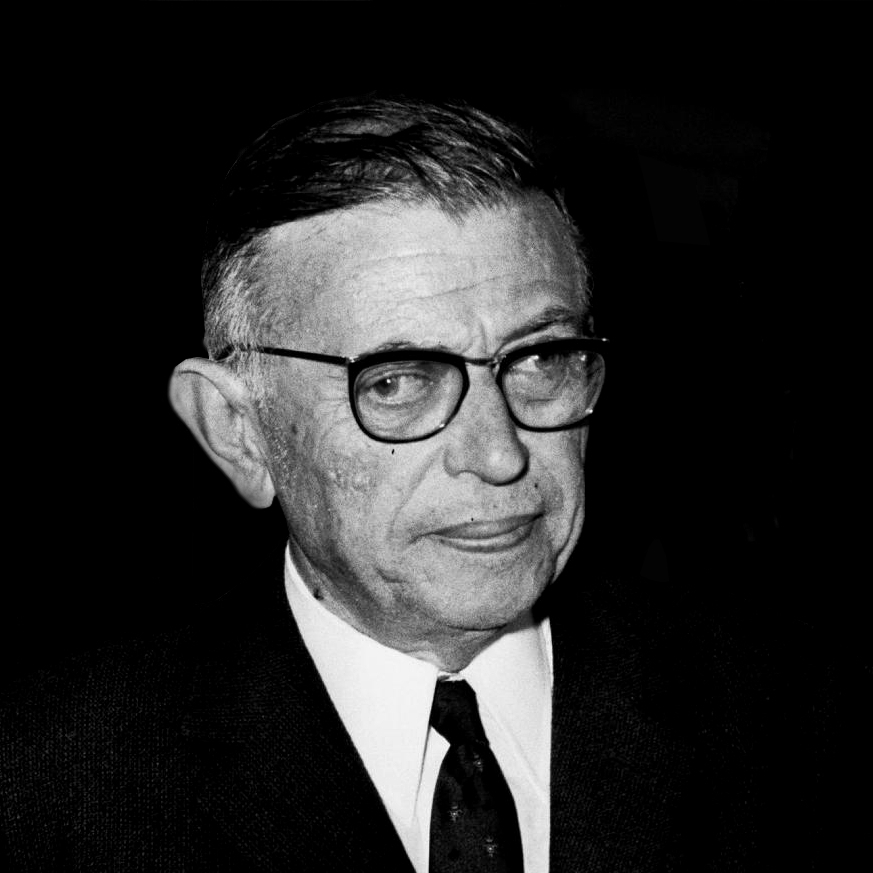
Modern phenomenology is usually traced to Edmund Husserl, who proposed rigorous description of the structures of consciousness. Later thinkers adapted and reoriented Husserl's project. Martin Heidegger shifted attention from pure consciousness to human existence and practical engagement in his work Being and Time. Jean-Paul Sartre employed phenomenological description to explore freedom, absence and the lived self in Being and Nothingness. Maurice Merleau-Ponty emphasized the primacy of perception and the role of the body in experience. Sociological and pragmatic strands developed through scholars such as Alfred Schutz and others who connected phenomenology with social life and interpretation.
Methods and practice
Phenomenological inquiry begins with careful description rather than causal explanation. The investigator performs an epoché or bracketing to set aside assumptions and focus on the texture of experience: the way light shapes a face, the felt quality of pain, or the sense of a missing person in a café. Analysis isolates essential features of experience—temporal flow, intentional directedness, bodily presence—and explains how those features constitute meaning. These procedures have been adapted into qualitative research methods used in psychology, nursing, education and design to capture participants' lived perspectives.
Illustrative examples
Classic philosophical examples show phenomenology's focus. Sartre's cafe example describes how the absence of a friend is itself an experienced presence: the empty chair or the felt lack becomes meaningful. Other examples include the phantom-limb phenomenon, which reveals how body image and sensation persist after loss, or the way a melody unfolds temporally and cannot be reduced to discrete notes without losing its character. Such cases highlight that what matters for phenomenology is not metaphysical verification but the way experience is structured and lived.
Applications
Phenomenology has influenced many fields. In clinical settings it informs studies of pain, illness and recovery by privileging patients' narratives. In design and human-computer interaction it guides user-centered approaches that focus on how products are experienced. In psychology and cognitive science phenomenological concepts inform work on perception, attention and embodiment. Social researchers use phenomenology to examine identity, social understanding and routine practices. Practitioners often combine phenomenological description with other methods to enrich interpretation.
Critiques and debates
Critics argue that pure description cannot settle questions about objective truth and that bracketing prior beliefs is difficult in practice. Some say phenomenology risks relying on introspection that may be biased or culturally framed. Defenders respond that phenomenological description complements empirical methods by revealing qualitative dimensions of experience that measurements can miss, and that reflexive techniques can reduce some forms of bias.
Further reading and resources
Introductory materials and primary texts help orient readers: see basic glossaries on phenomena and experience, primary works by Heidegger and Sartre, and historic references such as Being and Time and Being and Nothingness. Applied resources discuss methods in health care, design and social research; for example, methodological introductions explain how to conduct phenomenological interviews and analyses (sense modalities and feeling are often central to this work).
Phenomenology remains an active and diverse tradition. Its central contribution is a disciplined attention to lived experience and to the ways that perception, embodiment and social context shape meaning. Readers can explore classical texts alongside contemporary applications to see how descriptive attention to experience continues to inform philosophy and practice.
Related articles
Author
AlegsaOnline.com Phenomenology: the study of conscious experience and lived meaning Leandro Alegsa
URL: https://en.alegsaonline.com/art/76366
Sources
- questia.com : Heidegger: A Very Short Introduction