
Philo of Alexandria: Jewish Philosopher and Interpreter of Scripture
Philo of Alexandria (c. 20 BCE–c. 50 CE) was a Hellenistic Jewish thinker who harmonized Torah interpretation with Greek philosophy using allegory and the concept of the Logos.
Philo of Alexandria, also called Philo Judaeus, was a Jewish intellectual active in Alexandria during the early Roman Empire (born c. 20 BCE, died c. 50 CE). He sought to reconcile Jewish religious texts with Hellenistic philosophy, arguing that the Torah and Greek thought could be read as complementary rather than opposed. Philo wrote in Greek for an educated Mediterranean audience and became one of the best-documented figures linking Jewish scriptural tradition with Middle Platonism and stoic themes.
Image gallery
3 Images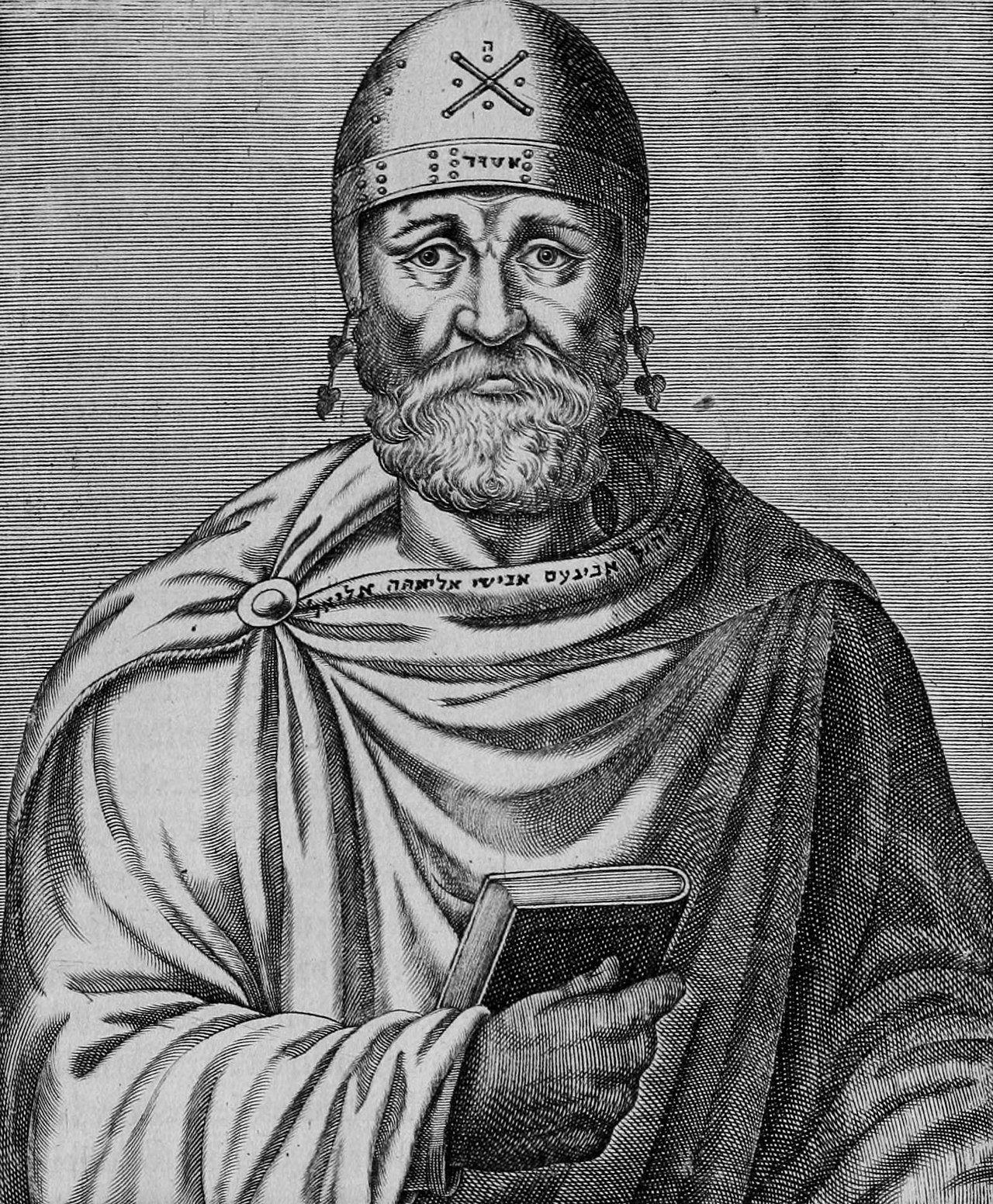

Methods and central ideas
Philo is best known for his allegorical method of scriptural interpretation. Rather than taking every biblical passage as literal history, he often treated narratives as symbolic accounts teaching ethical, metaphysical, or spiritual truths. He developed a prominent concept of the Logos—a mediating divine reason or word—which he used to explain how the transcendent God relates to the world. This Logos plays several roles in his writings: interpreter of Scripture, agent of creation, and the rational principle active in human souls.
Major works and themes
- Collections of commentaries on Genesis, Exodus, and other biblical books that employ allegory and philosophical vocabulary.
- Ethical treatises and essays addressing providence, the soul, and virtues.
- A famous embassy to Rome recorded in his account of a delegation to the emperor—an episode often identified with the mission to Caligula in 38 CE, described in his work sometimes called Legatio ad Gaium.
Philo's writings show influences from Plato, the Stoics, and other Hellenistic currents, but he consistently framed philosophical ideas within a Jewish theological horizon. He maintained the centrality of the Torah while reinterpreting its language to answer metaphysical and ethical questions current in his cultural milieu.
Readers may explore different aspects of Philo through modern introductions and translations. For overviews and primary texts see scholarly resources linked here: Philo on the Torah, background on Greek philosophy and its relation to Hellenistic Judaism Greek philosophy overview, and introductions to allegorical interpretation allegory in antiquity. For the emissary episode and its historical setting consult accounts of the Roman embassy and imperial background Caligula and Judaea.
Philo's legacy is complex: he influenced Christian thinkers who found the Logos vocabulary congenial, while later Jewish tradition generally followed other interpretive paths. Today his corpus is studied for insights into cultural exchange, scriptural interpretation, and the formation of religious ideas in the Roman Mediterranean.
Questions and answers
Q: Who is Philo of Alexandria?
A: Philo of Alexandria was a Jewish philosopher who lived from c. 20 BC to c. 50 AD.
Q: What was Philo's aim?
A: Philo wanted to prove that the Torah and Greek philosophy actually agreed with each other.
Q: How did Philo achieve his aim?
A: Philo used allegory to prove that the Torah and Greek philosophy actually agreed with each other.
Q: When did Philo meet with the Roman Emperor Caligula?
A: Philo met with the Roman Emperor Caligula in 38 AD.
Q: Why did Philo meet with the Roman Emperor Caligula?
A: Philo was one of many Egyptian Jews to meet with the Roman Emperor Caligula.
Q: Did Philo write a book about his meeting with the Roman Emperor Caligula?
A: Yes, Philo wrote a book about his meeting with the Roman Emperor Caligula.
Q: What was the theme of Philo's book about his meeting with the Roman Emperor Caligula?
A: The theme of Philo's book about his meeting with the Roman Emperor Caligula is not stated in the text.
Related articles
Author
AlegsaOnline.com Philo of Alexandria: Jewish Philosopher and Interpreter of Scripture Leandro Alegsa
URL: https://en.alegsaonline.com/art/76494