
Martin Heidegger: life, thought, and influence
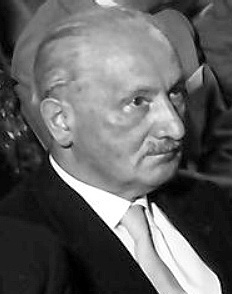
Martin Heidegger (1889–1976), a central figure in 20th‑century continental philosophy, is best known for Being and Time and for influential, controversial ideas about existence, language, technology, and ontology.
Martin Heidegger (1889–1976) was a German philosopher whose work reshaped continental thought in the 20th century. His early magnum opus, Being and Time, introduced new questions about the meaning of Being and launched a careers-long inquiry into human existence, language, and the history of metaphysics.
Image gallery
10 Images



Main themes and concerns
Heidegger sought to revive ontology—the study of Being—by examining concrete human existence, which he called Dasein (literally “being-there”). He argued that everyday experience, temporality, and practical engagement reveal structures of existence that traditional abstract metaphysics had overlooked. His thought moves from an existential-phenomenological method toward later reflections on language, art, and technology.
Key concepts
- Dasein: the human mode of being whose self-understanding makes questions of Being possible.
- Being-in-the-world: the inseparability of a person and their practical relationships with a surrounding world.
- Care (Sorge): a structural feature indicating concern and involvement in one’s world.
- Authenticity and inauthenticity: ways Dasein confronts or averts its possibilities and finitude.
- Ontological difference: the distinction between beings (entities) and Being itself.
Works and development
Heidegger’s best-known book is Being and Time (1927). In subsequent decades he shifted emphasis from the existential analysis of Dasein to questions about language, art, and the essence of technology, treating thinking as a way of letting Being come into view. Shorter later essays, lectures, and seminars expanded his vocabulary and introduced controversial neologisms. For an overview of his later essays and polemical texts see major secondary sources.
Influence, reception, and controversy
Heidegger influenced existentialism, hermeneutics, phenomenology, literary theory, theology, and post‑structuralist movements. Thinkers from Jean‑Paul Sartre to Jacques Derrida engaged with his ideas. His political involvement in the 1930s—most notably his brief rectorship at a German university and membership in the Nazi Party—remains a subject of serious ethical and scholarly debate and affects interpretation of his philosophy.
Today Heidegger is studied both for the originality of his questions about Being and for the moral and historical issues his biography raises. Readers often begin with Being and Time and then consider later essays on technology and language to follow the arc of his thought.
Author
AlegsaOnline.com Martin Heidegger: life, thought, and influence Leandro Alegsa
URL: https://en.alegsaonline.com/art/126244