
Philosopher's Stone: alchemical concept, history and cultural legacy
Legendary alchemical substance believed to transmute base metals into gold and to grant rejuvenation or immortality; influential in the history of chemistry, religion, and literature.
Overview
The Philosopher's Stone is a legendary substance central to the practice and lore of alchemy. Traditionally described as able to transform common, impure metals into noble metals such as gold, it was also credited with restorative powers that might rejuvenate the body or confer immortality. Its precise nature varies across texts and cultures: sometimes portrayed as a powder, a stone, or an elixir, it functions as both a practical recipe and a symbolic goal.
Image gallery
5 Images


Beliefs and alleged properties
Alchemists claimed the Stone could accomplish at least two distinct aims: material transmutation and life enhancement. The transmutation aspect involves converting base metals such as lead into noble metals, reversing corruption to reach purity. The life-enhancing aspect—often called the elixir of life—was thought to heal, restore youth, or prolong life. These claims blended experimental observation, laboratory craft, and metaphysical speculation, so descriptions are diverse and often metaphorical.
History and development
Ideas about a universal restorative or transforming agent appear in ancient and medieval sources across several regions. Hellenistic, Islamic, Indian, Chinese, and later European alchemical writings each contributed terminology, procedures, and symbolic systems. In medieval Europe and the Islamic Golden Age, treatises circulated that mixed practical metallurgical techniques with mystical language. Over centuries the search for the Philosopher's Stone shaped laboratory practice, patronage, and learned debate.
Methods, materials and symbolism
Accounts of producing the Stone combine chemical operations with allegory: purification, calcination, dissolution, and other processes correspond to both physical manipulations and inner, moral transformation. Practically, many alchemists worked with minerals, salts, metals and corrosive agents, and they recorded stepwise operations; however, recipes differ and frequently use coded language to hide techniques from uninitiated readers.
- Processes: repeated heating, extraction, and purification cycles.
- Materials: metals, mineral salts, organic substances in various manuscripts.
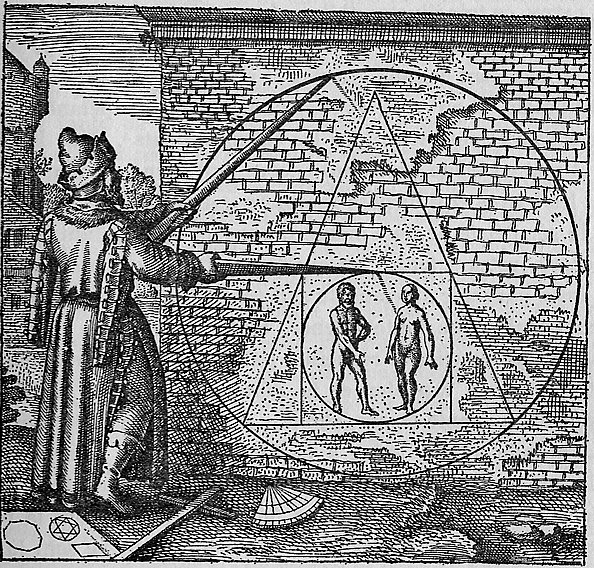
- Symbols: colors (black, white, red) and mythic imagery commonly illustrate stages.
Cultural influence and examples
Whether treated as literal chemistry or as spiritual allegory, the Philosopher's Stone has had lasting cultural resonance. It influenced the development of laboratory technique and terminology that later fed into modern chemistry. It also appears widely in literature and art as a symbol of ultimate knowledge or redemption; notable modern references include popular fiction that reimagines the Stone as a plot device and metaphor.
Modern perspective and distinctions
Contemporary historians and scientists regard the Philosopher's Stone chiefly as a historical and symbolic idea rather than a real, demonstrable substance. The practical side of alchemical practice contributed empirical methods and apparatus to proto-scientific inquiry, but the transmutation and immortality claims lack reproducible evidence. Distinguishing the Stone as a laboratory objective from its role as spiritual allegory is essential for understanding alchemy's dual character.
For broader reading on alchemical traditions and their legacy, see writings by scholars and collections of primary sources that explore both the technical recipes and the symbolic language employed by alchemists. Additional discussions are available in histories of metallurgy and chemistry that trace how experimental practice evolved into modern science (metals and processes, noble metals, long-term life theories).
Related articles
Author
AlegsaOnline.com Philosopher's Stone: alchemical concept, history and cultural legacy Leandro Alegsa
URL: https://en.alegsaonline.com/art/76503