
Jean-Paul Sartre: Life, Thought, and Influence
Overview of Jean-Paul Sartre, the French existentialist philosopher, novelist, playwright and public intellectual; his ideas, major works, political activity, and lasting impact.
Overview
Jean-Paul Sartre (1905–1980) was a leading figure of 20th-century French thought who combined philosophy, fiction and public engagement. Trained as a philosopher, he became widely known for articulating existentialism as a philosophical outlook and for exploring human freedom, responsibility and the anguish of choice through novels and plays. He was also an active participant in political debates of his time.
Image gallery
10 Images


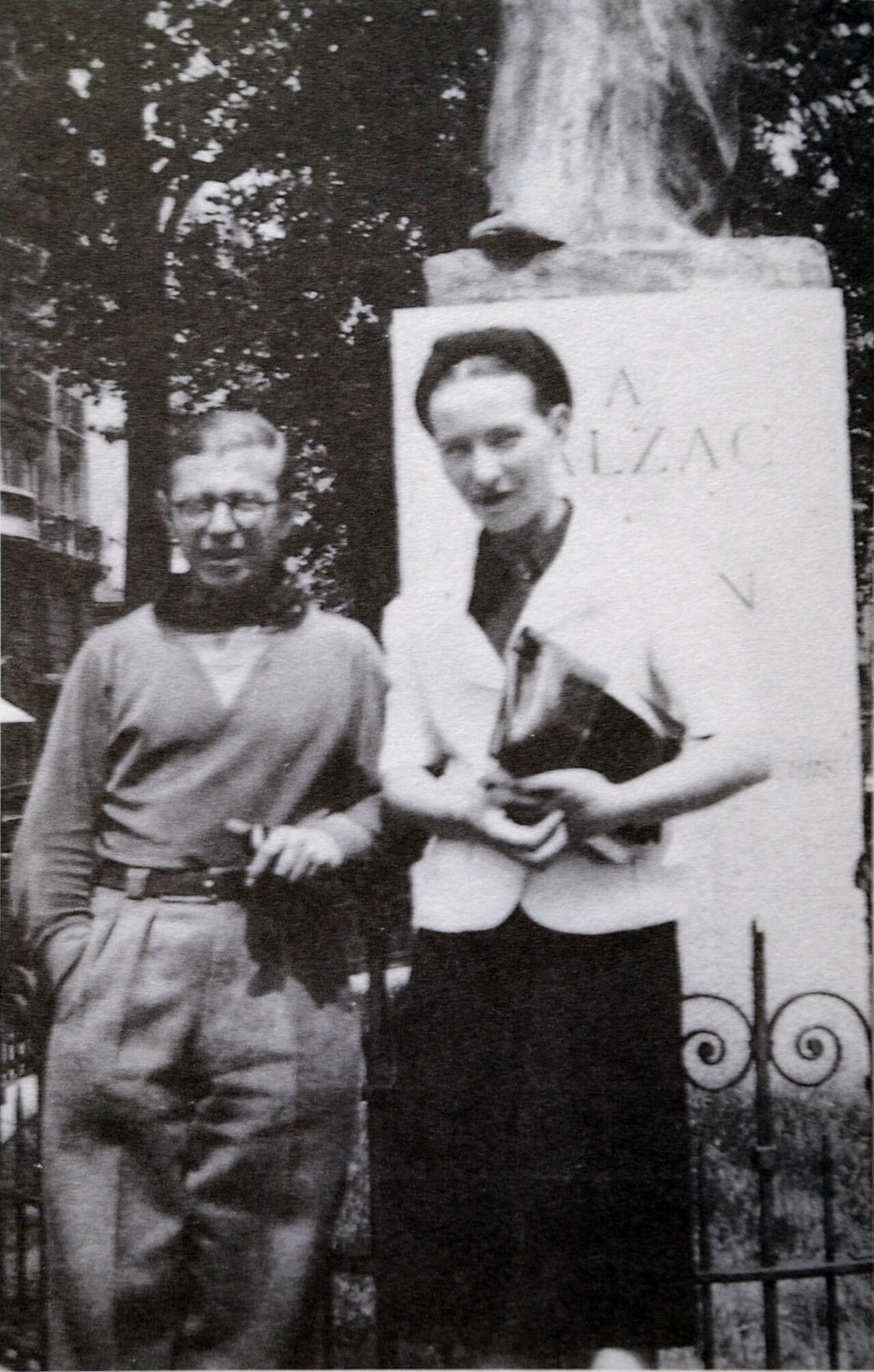
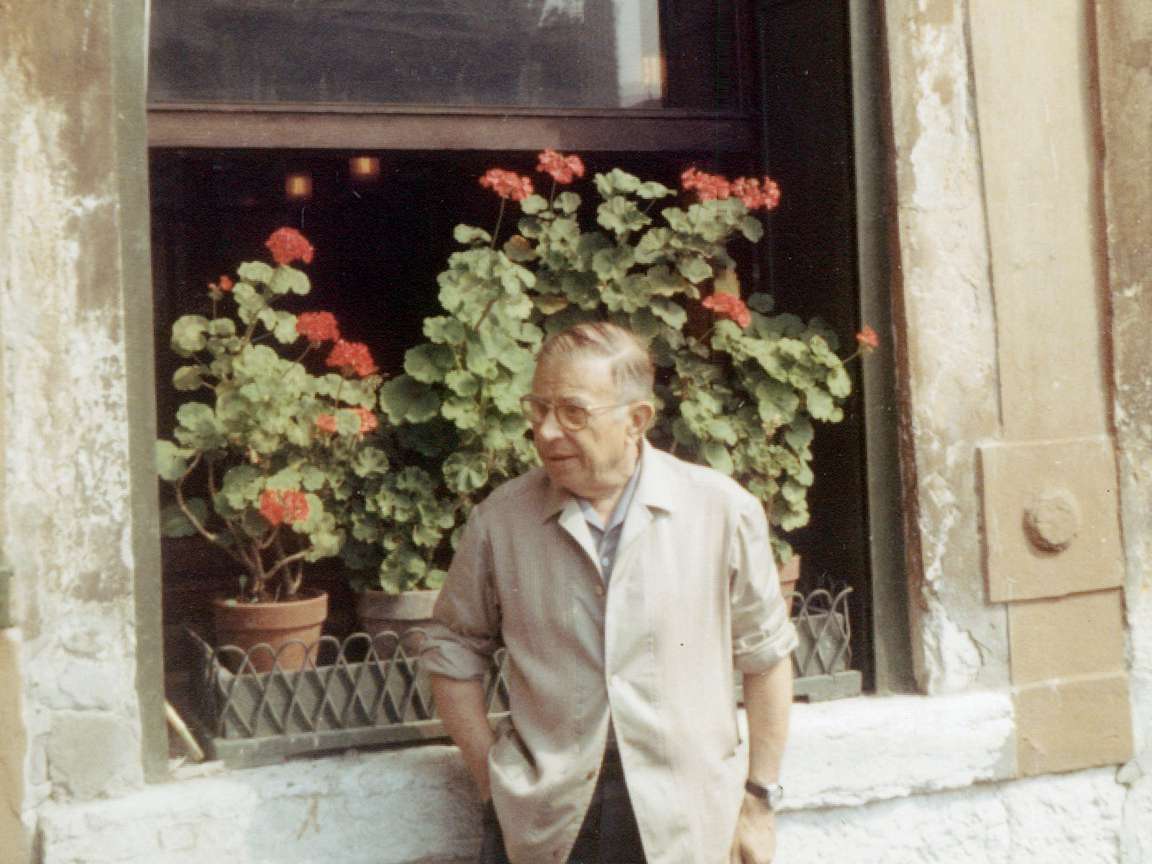

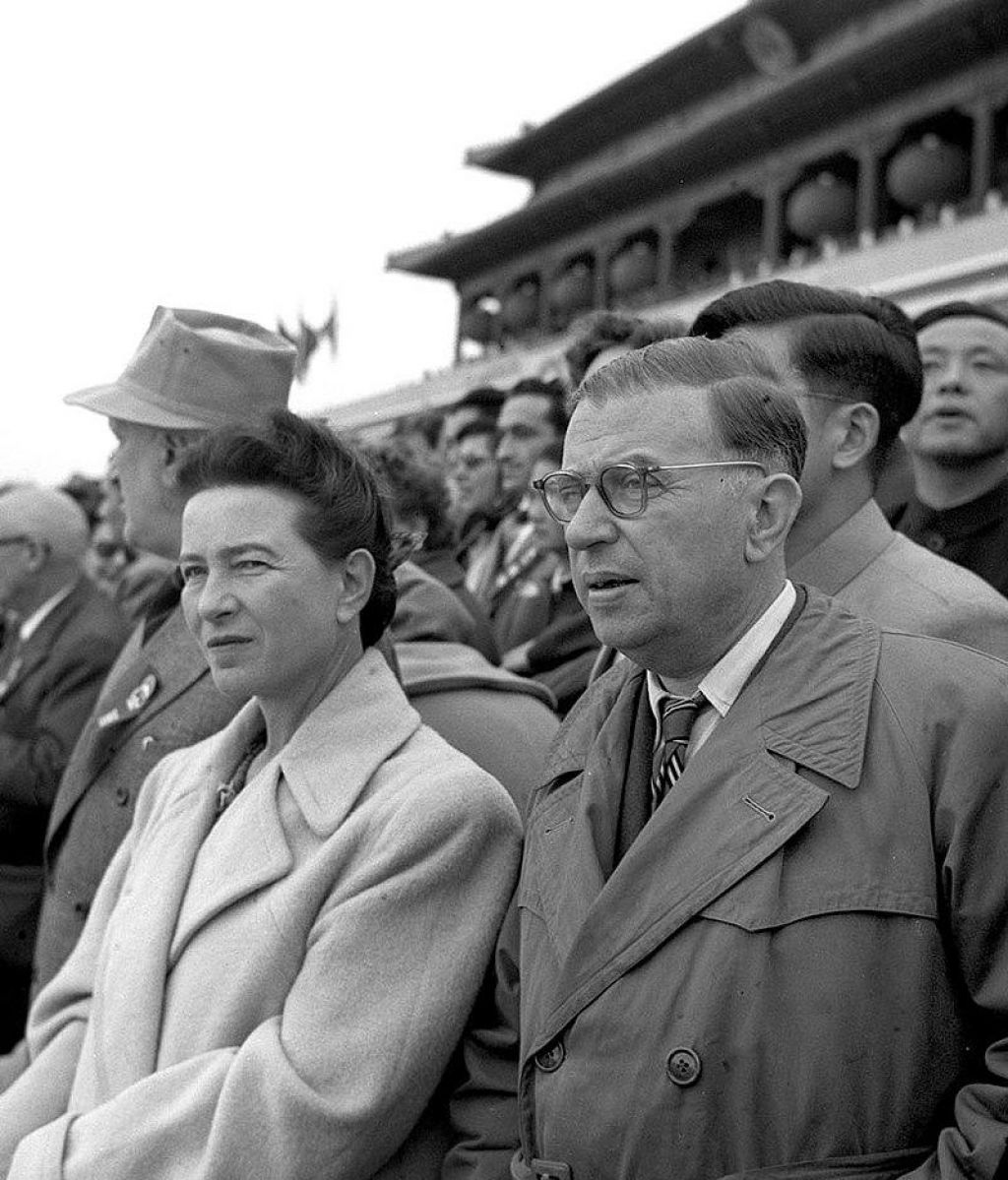
Philosophical ideas
Sartre argued that existence precedes essence: human beings appear first and only later define themselves through action. Central concepts in his work include freedom, bad faith (self-deception about one’s freedom), anguish, and the responsibility that flows from the capacity to choose. His major philosophical treatise examines consciousness, being, and nothingness in detailed phenomenological terms while insisting on the ethical and practical consequences of human freedom.
Major works and genres
- Philosophy: a major systematic study of human existence that influenced continental thought.
- Fiction: novels that dramatize existential themes, using inner monologue and social observation.
- Theatre: plays that stage moral dilemmas and interpersonal conflict, often in confined settings.
- Political essays and criticism: interventions on culture, colonialism, and social change.
Life, public role and politics
Trained at French institutions of higher learning, Sartre wrote across several genres and remained a public intellectual who engaged with contemporaneous struggles: the aftermath of World War II, anti-colonial movements, and Cold War debates. He identified with Marxist thought in later years while maintaining a critical stance toward party orthodoxy. His public decisions, including declining a major international literary prize on institutional grounds, underscored his concern about writers’ independence.
Influence and reception
Sartre influenced literature, philosophy, psychology and political theory. Authors and thinkers drew on his ideas about freedom and responsibility, while his plays and novels entered the repertory of world theatre and modern fiction. Critics have both praised his commitment to engagement and criticized aspects of his political judgments and philosophical claims.
Further reading and roles
To explore Sartre’s multifaceted work, consult sources on his philosophical system and on his novels and drama. He is often introduced as a major philosopher, an innovative novelist, a dramatist and playwright, a public intellectual active as a screenwriter and cultural critic, and a polemicist and critic. Each of these roles helps explain why his writings remain a subject of study and debate today.
Questions and answers
Q: Who was Jean-Paul Sartre?
A: Jean-Paul Sartre was a French existentialist philosopher, novelist, playwright, screenwriter, and critic.
Q: What was Jean-Paul Sartre known for?
A: Jean-Paul Sartre was known for his works as an existentialist philosopher, novelist, playwright, screenwriter, and critic.
Q: What award did Jean-Paul Sartre win in 1964?
A: Jean-Paul Sartre won the Nobel Prize in Literature in 1964.
Q: Did Jean-Paul Sartre accept the Nobel Prize in Literature he won?
A: No, Jean-Paul Sartre refused to accept the Nobel Prize in Literature he won.
Q: Why did Jean-Paul Sartre refuse to accept the Nobel Prize in Literature he won in 1964?
A: Jean-Paul Sartre refused to accept the Nobel Prize in Literature he won because he believed that "a writer should not allow himself to be turned into an institution".
Q: What were the political and religious beliefs of Jean-Paul Sartre?
A: Jean-Paul Sartre was a Marxist and an atheist.
Q: When was Jean-Paul Sartre born and when did he die?
A: Jean-Paul Sartre was born on June 21, 1905, and died on April 15, 1980.
Related articles
Author
AlegsaOnline.com Jean-Paul Sartre: Life, Thought, and Influence Leandro Alegsa
URL: https://en.alegsaonline.com/art/121655
Sources
- nobelprize.org : Nobel Prize in Literature 1964 - Press Release