
Pfalz D.III: German World War I Single-Seat Fighter
The Pfalz D.III was a German single-seat biplane fighter of WWI, noted for its plywood semi-monocoque fuselage, strong diving ability, and service in several Jagdstaffeln; often used against observation balloons.
Overview
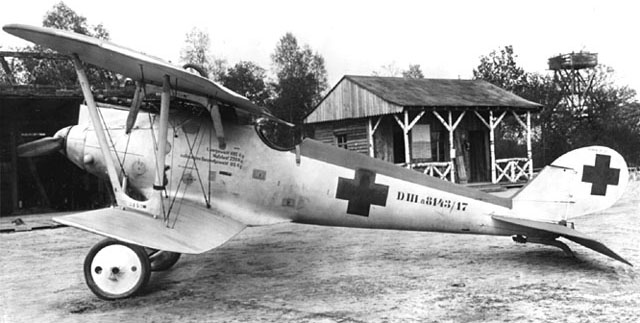
The Pfalz D.III was a German single-seat biplane fighter introduced during World War I. Produced by Pfalz Flugzeugwerke, it entered front-line service in 1917 and served into 1918 with a number of fighter squadrons. Pilots valued the type for its structural strength and unusually good performance in high-speed dives.
Image gallery
6 Images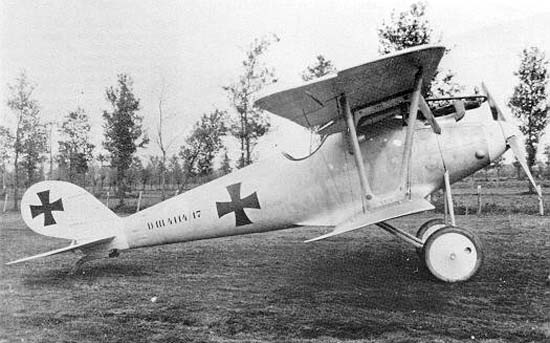


Design and characteristics
The D.III featured a plywood-skinned, wrapped-fuselage construction (a semi-monocoque technique often called "Wickelrumpf") that gave the airframe a smooth, rigid shell. As a single-engine, two-bay biplane it typically carried twin synchronized machine guns mounted in the forward fuselage. Its sturdy build made it suitable for aggressive diving attacks, a trait exploited in ground-attack and balloon-busting missions.
Operational history
Introduced to the front in 1917, the Pfalz D.III served with several Jagdstaffeln (fighter squadrons) and saw action on the Western Front. Although it could be outturned by some contemporary fighters, pilots praised its diving speed and ruggedness. The D.III and its subsequent refinements were frequently tasked to attack observation balloons and other well-defended targets where a fast, stable dive and strong structure were important.
Uses and examples
- Balloon busting and ground-attack sorties, where steady dive performance mattered.
- Frontline escort and air superiority patrols during 1917–1918.
- Training and reserve roles as newer designs became available.
Notable distinctions and legacy
Compared with contemporary German fighters, the Pfalz D.III was often regarded as less agile in tight turns but superior in diving strength and structural integrity. Its semi-monocoque fuselage influenced later aircraft construction methods. For further reading on biplane fighters and WWI aviation, see general resources on World War I aviation, early fighter aircraft design, and the work of the Pfalz company. Technical summaries and unit histories can be found in specialist sources and museum collections dedicated to single-engine combat aircraft.
Related articles
Author
AlegsaOnline.com Pfalz D.III: German World War I Single-Seat Fighter Leandro Alegsa
URL: https://en.alegsaonline.com/art/76302