
Piracy in the Caribbean: history, practices, and legacy
Comprehensive overview of Caribbean piracy from early colonial times through the so-called Golden Age: origins, types (privateers, buccaneers, pirates), life aboard, notable figures, decline and cultural legacy.
Piracy in the Caribbean describes maritime raiding, privateering and smuggling that shaped the Greater Caribbean from the early colonial period through the early 18th century and left a lasting cultural legacy. European expansion, the concentration of treasure fleets, interstate rivalry and the particular geography of the region created conditions in which seafarers—some sanctioned, others outlawed—could attack merchant ships, raid coastal settlements and profit from the movement of goods and bullion across the Atlantic.
Image gallery
10 Images





Historical context and development
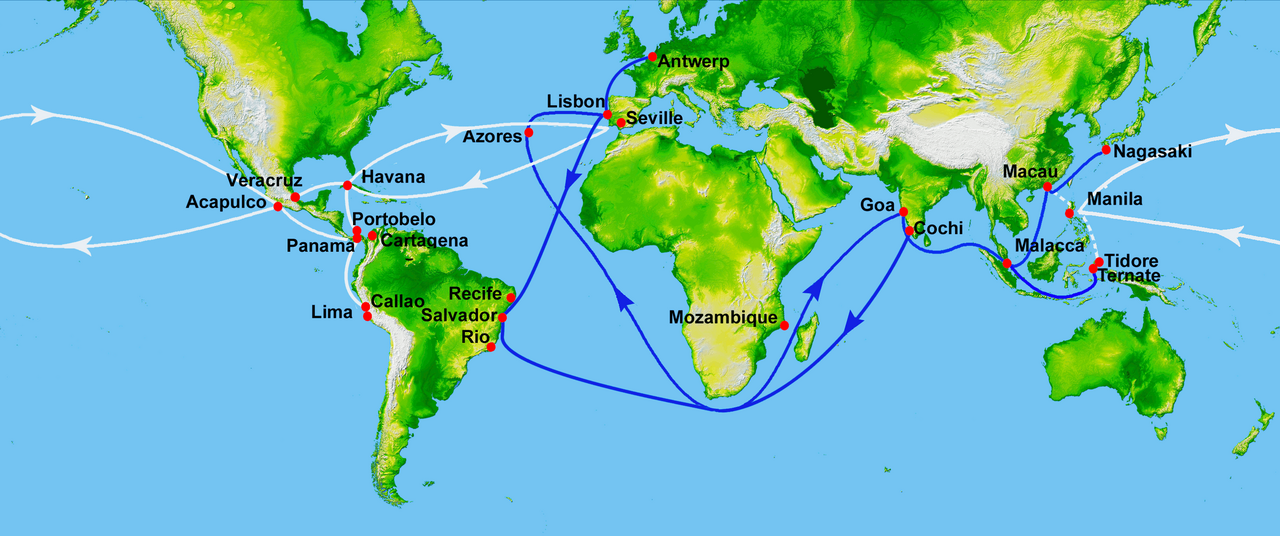
The arrival of Spanish, Portuguese, English, French and Dutch interests in the Americas transformed Caribbean waters into strategic highways for commerce and military power. Early Spanish treasure convoys carrying silver and precious cargoes were tempting targets. Rival states issued letters of marque to authorised privateers in wartime, a practice that blurred the line between state policy and criminality. In times of peace, unemployed privateers, demobilised sailors and displaced colonists sometimes turned to outright piracy. The many islands, keys and shallow bays provided concealment for raiders and made interdiction difficult for cruising warships.
Golden Age and timeline
The period most often associated with Caribbean piracy coincides with the late 17th and early 18th centuries, a time sometimes called the Golden Age of Piracy. During these decades, a concentration of famous figures, dramatic raids and the emergence of pirate havens created an outsized impression on later memory. Earlier and later activity should not be overlooked: privateering and corsairing were longstanding practices before this peak, and low-level raiding and smuggling continued after the era of large-scale piracy declined.
Types of raiders and shipboard life
Three broad categories appear in historical accounts: privateers operating under a commission from a government; buccaneers, who often began as hunters or settlers and became sea raiders, particularly around Hispaniola and Tortuga; and independent pirates who attacked without legal sanction. Crews commonly adopted written articles or a "pirate code" that regulated shares of plunder, compensation for wounds and procedures for electing or deposing captains. Shipboard life mixed democratic and brutal elements: captains could be powerful in battle but crews often voted on important matters, while discipline, sickness and the danger of combat made the life precarious.
Weapons, ships and tactics
Pirates preferred fast, maneuverable vessels such as sloops and schooners for chasing and boarding merchantmen, though they also refitted captured merchant ships. Typical weapons included cutlasses, pistols, blunderbusses and small swivel guns. Tactics emphasized surprise, intimidation and close-range fighting to disable an opponent quickly and take prizes. Raiders sometimes relied on intelligence from local informants and networks that fenced stolen goods for resale.
Notable figures and havens
A range of actors illustrates the spectrum between state-sponsored action and criminal enterprise. Sir Henry Morgan began as a privateer striking at Spanish holdings and later became a colonial official; other famous figures such as Edward Teach ("Blackbeard"), Calico Jack Rackham, Anne Bonny and Mary Read are associated with independent piracy in the early 18th century. Ports like Port Royal in Jamaica, Tortuga and Nassau on New Providence became infamous as places where crews repaired vessels, traded plunder and recruited. Spain also produced corsairs who operated in the same waters; Amaro Pargo is an example of a Spanish seafarer active in transatlantic trade and privateering in the Caribbean.
Economic and political impact
Piracy disrupted commerce, raised costs for merchants and governments, and forced changes in convoy practice, insurance and naval deployment. Colonial authorities sometimes tolerated raiders when they weakened a rival power, and sometimes suppressed them when commercial or political costs mounted. Anti-piracy efforts gradually intensified: coordinated naval patrols, stronger legal frameworks and diplomatic cooperation made large-scale piracy increasingly risky and less profitable by the mid-18th century.
Decline and legal response
The decline of Caribbean piracy resulted from several interacting factors: the strengthening of metropolitan navies, the formalisation of laws against piracy, the refusal of some colonial ports to provide safe harbour, and the offer of pardons or employment that reduced the incentive to continue raiding. Trials, executions and the conferral of pardons were all instruments used by colonial administrations to reassert control of the sea lanes.
Legacy and historiography
Piracy in the Caribbean has been widely romanticised in literature, folklore and popular culture, producing enduring images such as the Jolly Roger flag and the notion of a pirate's democratic code. Scholarly research, however, draws on court records, naval logs and colonial correspondence to produce a more complex picture of violence, commerce, coercion and collaboration. The region's pirate past influenced maritime law, imperial strategy and the social history of port towns.
Further reading and related topics
- Pirates of the Caribbean (film series and cultural depiction)
- Overview: piracy in the Caribbean
- The Caribbean Sea and its maritime routes
- Spanish colonial navigation and treasure fleets
- Spanish naval forces and colonial administration
- Naval warfare and convoy protection
- English maritime expansion and rivalry
- The defeat of the Spanish Armada and its wider effects
- Late 16th-century naval history
- Privateers, pirates and state policy
- Government use of private naval forces
- Colonial expansion in the New World
- Trade competition and imperial rivalry
- Daily life and clothing aboard pirate ships
- Weapons and ordnance carried by raiders
- Tools and implements used at sea
- Early firearms and shipboard armaments
- Pirate codes, articles and governance
- Spanish corsairs such as Amaro Pargo
- Cuba and other islands' connections to Caribbean trade
Questions and answers
Q: What event led to the English gaining control of the Caribbean?
A: The English had defeated the Spanish Armada in 1588, which stopped the Spanish control of the oceans and allowed them to gain control of the Caribbean.
Q: How did the English government use pirates?
A: The English government used pirates to do harm to the Spanish navy and export, in order to get more land in the New World and stop Spain from controlling New World trade.
Q: Who was Sir Henry Morgan?
A: Sir Henry Morgan was a well-known pirate who was encouraged by the English government. He initially worked for them but eventually began working only for himself.
Q: What items were typically carried on a pirate's belt?
A: Pirates typically carried gunpowder flasks, butcher's knives, and blunderbusses (short muskets) on their belts.
Q: What was included in their "pirate code"?
A: The pirate code stated that each man had a right to vote on all things such as choosing a captain or deciding which ship to attack next.
Q: Who is Amaro Pargo?
A: Amaro Pargo was a Spanish sailor who frequently traded in the Caribbean while looting ships of enemy powers of Spain that he encountered along his journey. He lived for ten years on Cuba where he had descendants.
Related articles
Author
AlegsaOnline.com Piracy in the Caribbean: history, practices, and legacy Leandro Alegsa
URL: https://en.alegsaonline.com/art/77065