
Pilum: the Roman heavy javelin
Pilum, a heavy Roman javelin, was a primary thrown weapon of legionaries. It combined a wooden shaft and an iron head designed to penetrate and disable enemy shields before close combat.
The pilum was the characteristic heavy javelin used by the Roman infantry. Intended for throwing from short range, it served to disturb enemy formations and to render shields less effective. Modern summaries typically describe it simply as a type of javelin or spear and associate it closely with the tactics of the Roman army.
Image gallery
4 Images

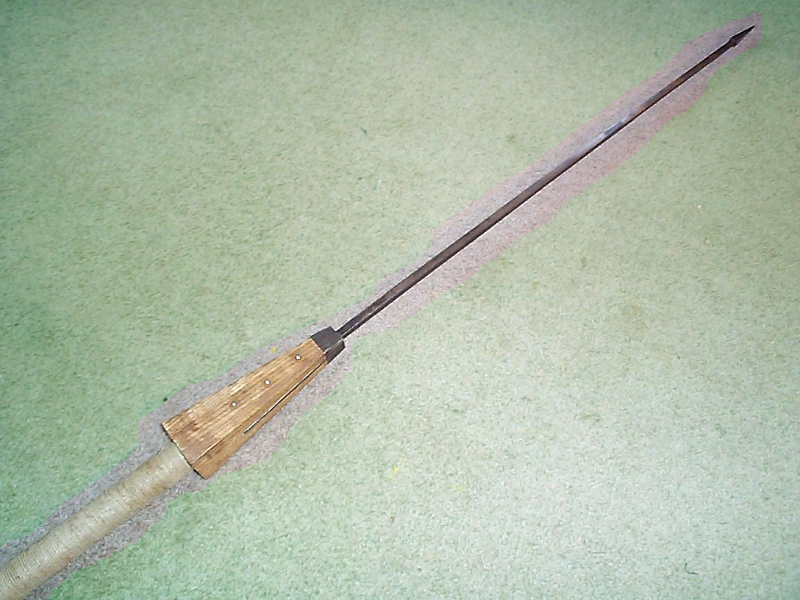

Design and components
A typical pilum measured about two metres in overall length and combined a wooden shaft with a metal fitting. The shaft was usually a stout, straight piece of wood described in some sources as a wooden shaft. The striking portion consisted of a soft iron or steel shank and a pointed head, often represented as a long, thin spike or pyramidal tip (iron point). The construction emphasized penetration and deliberate deformation on impact.
How it worked
Legionaries typically hurled pila just before closing with the enemy. On striking a shield or body the iron shank was likely to bend or become embedded, preventing the shield-bearer from easily discarding or returning the weapon. This reduced enemy mobility and disrupted their shield formations, creating an advantage for the following infantry charge.
Variants of the pilum existed, with differences in spike length, shank shape and balance to suit particular units or periods. While primarily a missile weapon, a pilum could be used briefly as a thrusting implement if necessary.
- Overview: Heavy thrown weapon for pre-melee disruption.
- Parts: wooden shaft, iron shank and point.
- Effect: penetration and bending to neutralize enemy shields.
Historically the pilum is emblematic of Roman adaptability in military equipment. Though it eventually fell out of use as tactics and armor changed, it remains a well-known example of weapon design shaped by combined tactical and practical considerations.
Further reading and illustrations are available through general references on Roman arms and tactics: see entries on the javelin, Roman weapons collections at museums and military studies of the Roman army. Technical analyses and finds discuss dimensions like the circa 2 m length, the composition of the wooden shaft and the soft iron point.
Related articles
Author
AlegsaOnline.com Pilum: the Roman heavy javelin Leandro Alegsa
URL: https://en.alegsaonline.com/art/76930