
Peter Lombard, medieval scholastic theologian
Peter Lombard (c.1096–1160) was an Italian scholastic theologian best known for the Sentences, a standard medieval theology textbook that shaped university teaching and later theologians.
Peter Lombard (c.1096–1160) was an Italian theologian and teacher whose systematic presentation of Christian doctrine made a lasting mark on medieval theology. Born near Novara and active in Paris, he is often called Petrus Lombardus in Latin sources. He is widely identified with the rise of Latin scholastic method and the consolidation of theological education in the high Middle Ages.
Image gallery
10 Images


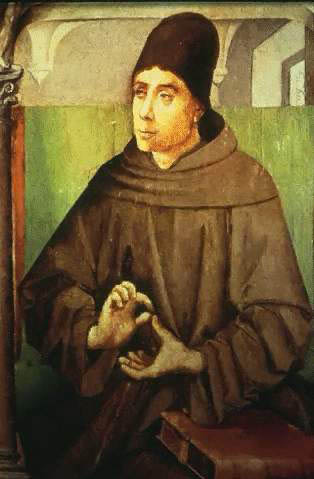
Major work: the Sentences
His principal work, usually called the Sentences (Libri Quattuor Sententiarum), arranged theological topics into a clear, teachable series. The Sentences became the standard manual for theology students and attracted an extensive medieval commentary tradition. Many later theologians wrote commentaries on or used the Sentences as a basis for their own systematic theology.
Structure and content
- Book I: God and the Trinity — classical Trinitarian questions and divine attributes.
- Book II: Creation and virtues — angels, human nature and moral life.
- Book III: Incarnation and the sacraments — Christology and means of grace.
- Book IV: Last things — sin, judgment and eschatology.
Method, sources, and teaching
Peter Lombard drew on Scripture and patristic authorities (especially Augustine and the Western Fathers) and organized disputed questions into concise distinctions and sententiae. His method exemplified scholastic practice: posing questions, presenting authorities, and offering brief synthesis. He taught in Paris, where his text became a central subject for masters of theology.
Influence and reception
The Sentences shaped the formation of theological argument for centuries and influenced figures as diverse as Thomas Aquinas and John Calvin, who engaged the questions Lombard collected. In 1159 Lombard was appointed Bishop of Paris and died soon after in 1160. Later scholars and popes continued to discuss his contribution; for example, Pope Benedict XVI addressed aspects of medieval theology in ways that referenced this tradition.
As a figure associated with Italy and the broader movement known as Scholasticism, Peter Lombard represents the transition from monastic and patristic learning toward university-based systems of theology. His work's lasting legacy is the pedagogical framework it provided for generations of medieval and early modern thinkers.
For introductions and manuscript studies see resources associated with institutions in Paris and educational histories of the Middle Ages.
Related articles
Author
AlegsaOnline.com Peter Lombard, medieval scholastic theologian Leandro Alegsa
URL: https://en.alegsaonline.com/art/76109