
Peter Mathews (Irish politician)
Irish politician Peter Mathews (Aug 1951–28 Feb 2017) served as a TD for Dublin South (2011–2016). Formerly of Fine Gael, he sat as an independent from 2013 and was known for his focus on financial oversight.
Overview
Peter Mathews was an Irish politician born in Dublin in August 1951. He represented the Dublin South constituency as a Teachta Dála (TD) from February 2011 until February 2016. Initially elected as a member of Fine Gael, he left the party in 2013 and completed his term as an independent. Biographical summaries and remembrances note his interest in fiscal and banking matters; further details are available in public profiles and reports about his career.
Image gallery
1 Image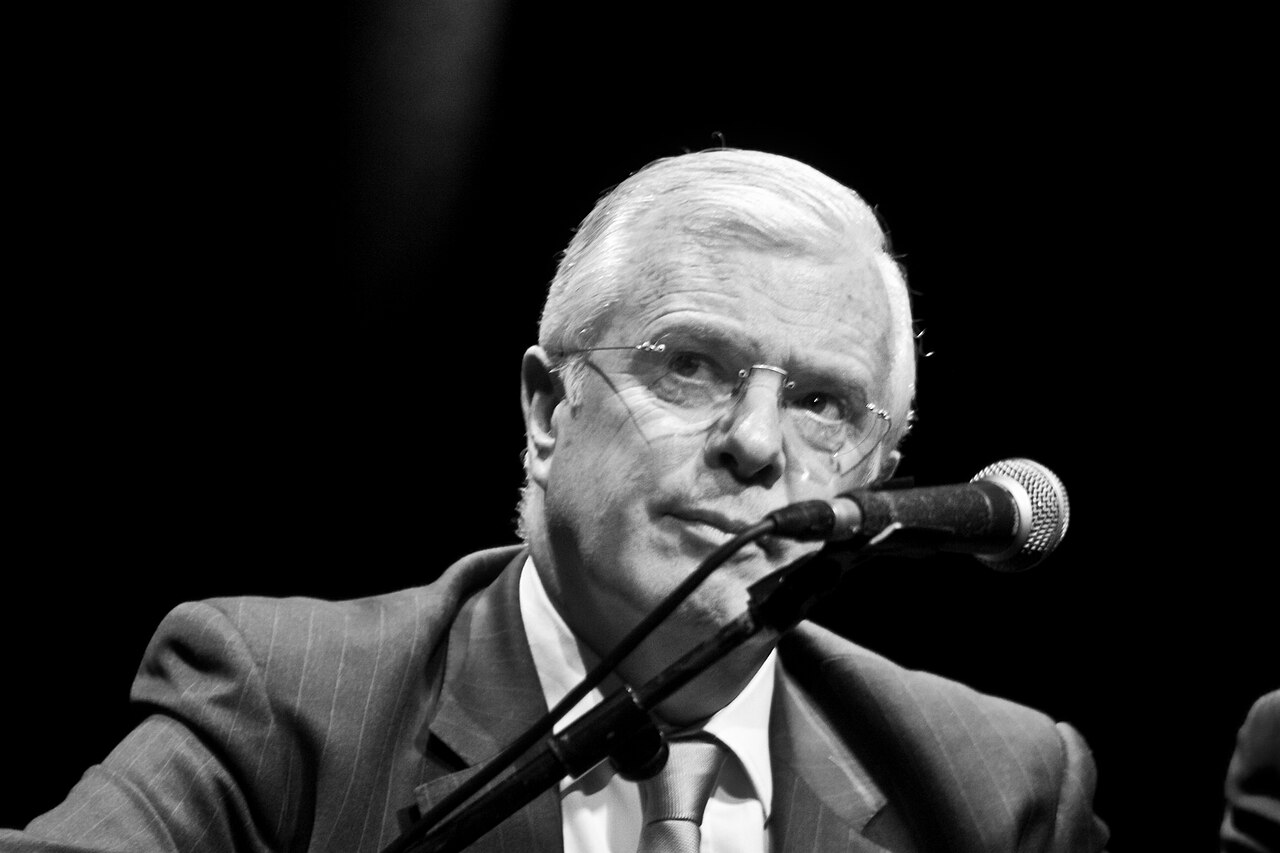
Political career and timeline
Mathews entered national politics at a time of intense fiscal scrutiny in Ireland. His period in the Dáil coincided with debate and policy change after the banking crisis. Key points in his political timeline include:
- 2011: Elected to Dáil Éireann as TD for Dublin South.
- 2013: Left Fine Gael and continued as an independent TD, citing policy disagreements.
- 2016: His term concluded following the general election; he did not return to the Dáil.
Positions, focus and public profile
Throughout his time in the Dáil Mathews was particularly engaged with economic, banking and accountability issues. He was regarded as willing to challenge party lines and to press for greater transparency in financial matters. His independent stance from 2013 onward highlighted topics such as oversight of public finances and the role of banking institutions in the national economy. Colleagues and commentators often described him as outspoken on those subjects.
Background, personal life and death
Before entering politics Mathews had a professional background connected with finance and related sectors; he brought that experience to debates on fiscal policy. He was born and raised in Dublin in August 1951. Peter Mathews died of oesophageal cancer on 28 February 2017 at the age of 65. Obituaries and tributes reflected on both his contributions to parliamentary debate and his reputation as an independently minded representative who left the party.
Legacy and notable facts
Mathews is often remembered as an example of a parliamentarian who moved from party affiliation to independent representation during a single term, a choice that underlined differences over economic policy during a period of recovery after the banking crisis. His record is cited in discussions about party discipline, parliamentary independence and the role of specialist knowledge in political life. For more information, see available public records and profiles on his tenure and archived coverage of his career.
Related articles
Author
AlegsaOnline.com Peter Mathews (Irish politician) Leandro Alegsa
URL: https://en.alegsaonline.com/art/76115