
Novara — city in Piedmont, Italy
Novara is a historic city in Piedmont, northern Italy. A regional administrative and transport hub, it is known for Roman origins, medieval monuments, rice plains, industry and cultural sites.
Overview
Novara is a city in the Piedmont region of northern Italy and the centre of its surrounding province. With a population of roughly one hundred thousand, it functions as a local administrative, commercial and transport hub between the larger metropolitan areas of Turin and Milan.
Image gallery
9 Images


Geography and urban structure
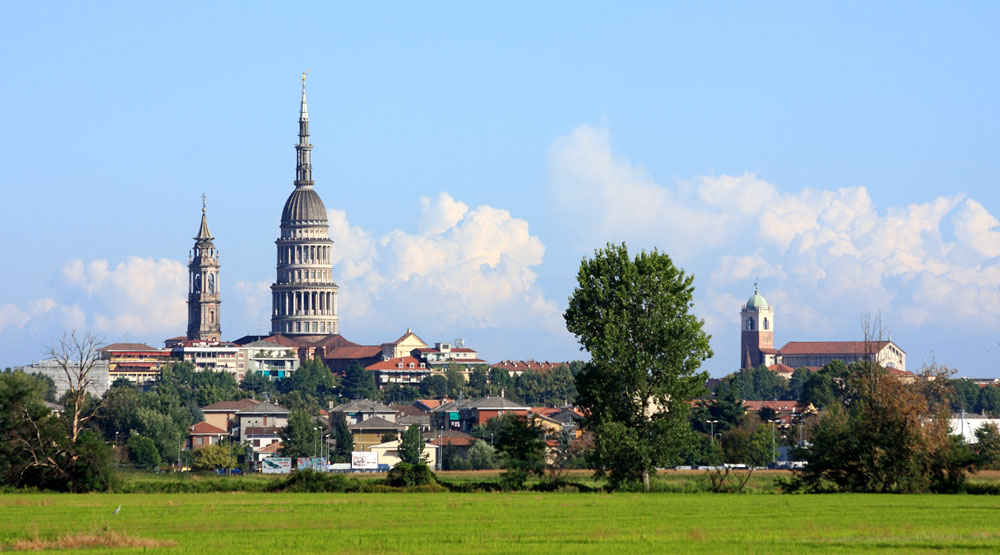
Novara sits on the broad flatlands of the Po Valley, an area of fertile plains where rice and other crops are cultivated. The city's fabric blends a compact historic core — with narrow streets, a cathedral precinct and medieval civic buildings — with later 19th- and 20th-century expansions that accommodated industry, rail links and suburban neighborhoods.
History
The town traces its roots to antiquity, known in Roman times as Novaria. During the Middle Ages it grew as an episcopal seat and a market town. Novara has been the scene of several notable military engagements across centuries, reflecting its strategic position in northern Italy. The 19th century brought industrial development and infrastructure that reshaped the urban landscape.
Economy and transport
Novara's economy combines agriculture from the surrounding plains (notably rice cultivation) with light manufacturing, food processing and services. The city is an important railway junction on routes linking Turin, Milan and routes toward Switzerland, and it benefits from regional road connections that support commerce and commuting.
Culture and notable sites
Prominent landmarks include the cathedral (Duomo), the Broletto (the medieval civic hall) and the Basilica of San Gaudenzio, renowned for a tall dome designed by architect Alessandro Antonelli. Museums, theaters and festivals contribute to an active cultural life, and local cuisine reflects Piedmontese traditions, with rice-based dishes among regional specialties.
Distinctions and contemporary role
Today Novara balances its historical heritage with modern functions: it is a provincial capital, a university and healthcare centre, and a transport node that serves both local industry and commuters. Sports clubs, especially association football teams, play a visible part in civic identity and community life.
- Historic core with Roman and medieval layers
- Agricultural plain known for rice cultivation
- Architectural highlight: Basilica of San Gaudenzio
- Regional rail and road connections linking major cities
Related articles
Author
AlegsaOnline.com Novara — city in Piedmont, Italy Leandro Alegsa
URL: https://en.alegsaonline.com/art/71227