
Percy Bysshe Shelley: Life, Works, and Influence
An encyclopedic overview of Percy Bysshe Shelley, the English Romantic poet: biography, major works and style, travels and relationships, controversies, death, and literary legacy.
Percy Bysshe Shelley (1792–1822) was an English poet whose work helped shape the Romantic era in Britain. Widely regarded for the formal inventiveness and political intensity of his verse, Shelley produced both short lyrics and long philosophical poems. He is often remembered through a handful of famous pieces, including "Ozymandias", and his addresses to nature and revolution are central to his reputation.
Image gallery
10 Images


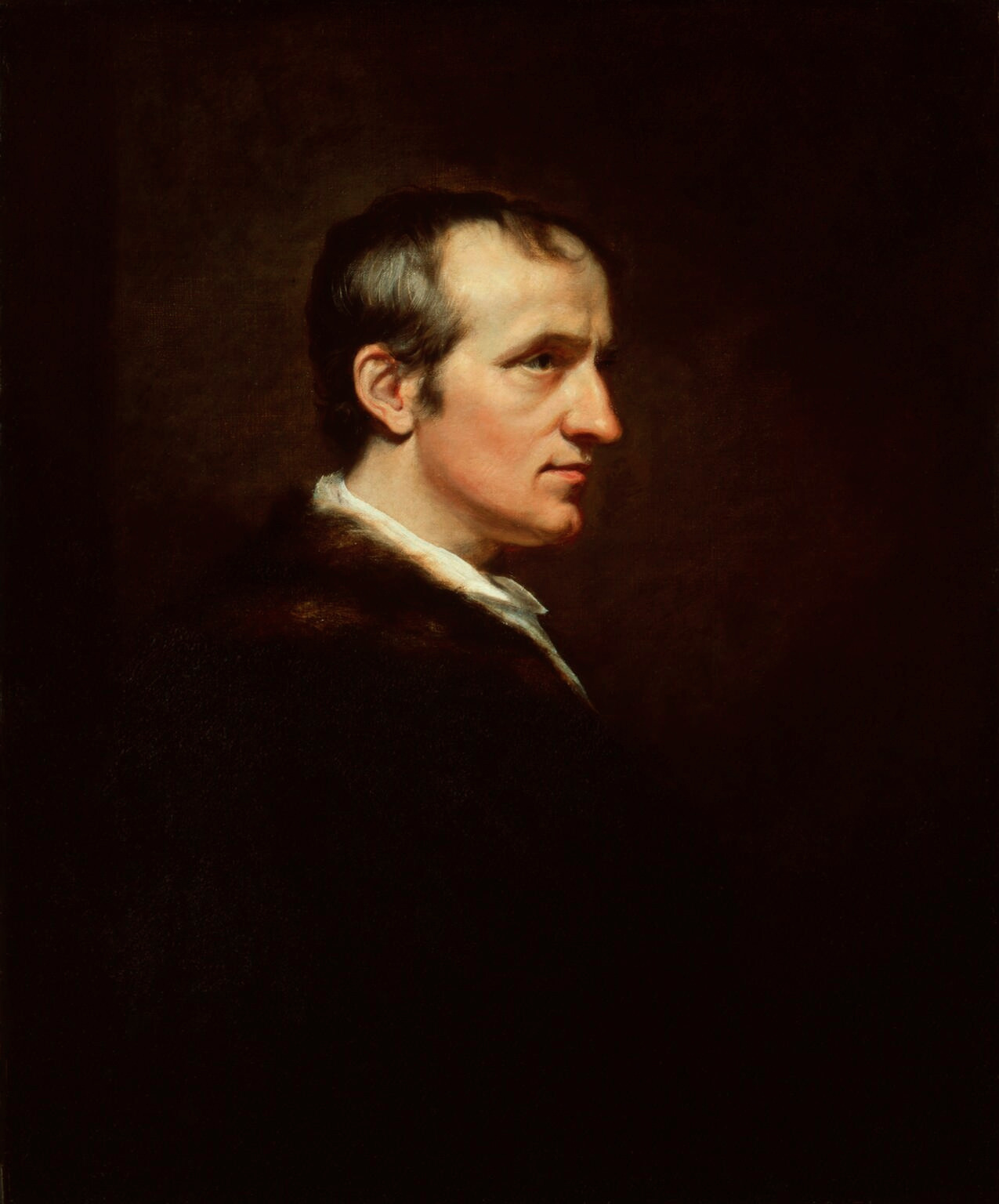

Life and background
Shelley was born in Horsham, in the county of Sussex, into a wealthy and socially connected family: his father served as a member of Parliament. He attended the University of Oxford but left after a year following disciplinary measures connected with pamphlets and statements that were judged blasphemous; contemporaries accused him of being an atheist. His early life was marked by personal controversy, radical politics and moral provocations that affected his reputation at home.
Relationships and travels
Shelley's private life influenced his work and public standing. He married young and later abandoned that marriage, an episode that contributed to scandal. He formed a lifelong partnership with Mary Godwin, who would become the novelist credited with Frankenstein. His first wife later died by suicide, an event reported in contemporary accounts and later narratives. To escape social censure and to pursue artistic freedom, Shelley spent much of his adult life on the Continent, touring Europe and settling for long periods in Italy.
Major works and stylistic features
Shelley's output blends lyric intensity with political and philosophical exploration. He wrote verse dramas such as The Cenci, long meditative poems like Alastor and Adonais, and many shorter lyrics that experiment with vocal tone, meter and metaphor. His poetic voice often champions individual liberty, the power of imagination and the critique of tyranny. Notable contemporaries included Lord Byron, with whom Shelley cultivated a close friendship while both lived abroad; Byron's own exile followed episodes of sexual controversy and social scandal. Shelley influenced later poets and thinkers through his engagement with reformist and radical ideas.
Reception, influence and distinctions
During his lifetime Shelley was a divisive figure: admired by some for his intellect and lyric gifts, vilified by others for his religious and social views. Posthumously, his stature grew as readers and critics reassessed the originality of his language and the seriousness of his moral imagination. He is typically grouped with other early nineteenth-century English Romantics and is associated with the energized reinvention of poetic form at that time; among his generation, three prominent poets—Shelley, Byron and John Keats—died young, which contributed to their mythic status. Literary historians trace Shelley's influence across later poetry, political thought and artistic movements that prize imagination and dissent.
Death and legacy
Shelley drowned in 1822 in a boating accident off the Italian coast shortly before his thirtieth birthday. His untimely death added to the romantic legend that grew around him and his circle. Today, he is remembered both for specific poems that enter common anthologies and for a broader body of work that engages themes of transience, idealism and the tensions between individual conscience and social order. For further reading on his poems, political ideas and biography, consult standard literary introductions and archival collections that document his letters and manuscripts.
- Overview: An English Romantic poet noted for lyric power and radical politics. Poet
- Movement: Central figure in the Romantic movement in English literature.
- Context: Famous shorter works and ambitious long poems remain in the modern canon; see texts indexed under the period.
Questions and answers
Q: Who was Percy Bysshe Shelley?
A: Percy Bysshe Shelley was an English poet of the early nineteenth century, and is widely thought of as one of most important poets of the Romantic movement in English literature.
Q: Where was he born?
A: He was born in Horsham, Sussex.
Q: What university did he attend?
A: He attended the University of Oxford for only one year before being expelled for being an atheist.
Q: Why did he leave England?
A: He left England to travel in Europe, especially Italy, due to his unpopular political and religious views and personal conduct at home.
Q: Who did he marry?
A: He married young but left his wife to run away with Mary Godwin; after his first wife committed suicide, Shelley married Mary Godwin who later became famous as Mary Shelley, the author of Frankenstein.
Q: What works did he write during this time?
A: During this time Shelley wrote several major works like the verse drama The Cenci and long poems like Alastor and Adonais, as well as many shorter poems.
Q: How did he die?
A: About a month before his 30th birthday, Shelley drowned in a boating accident off the coast of Italy.
Related articles
Author
AlegsaOnline.com Percy Bysshe Shelley: Life, Works, and Influence Leandro Alegsa
URL: https://en.alegsaonline.com/art/75756
Sources
- guardian.co.uk : Atheism's aesthetic of enchantment