
Pentatomoidea: shield bugs and stink bugs — overview, traits, and importance
Pentatomoidea is a superfamily of true bugs (Heteroptera) often called shield or stink bugs. About 7,000 species worldwide, they have a shield-like scutellum and scent glands and include major agricultural pests and predators.
Pentatomoidea is a large superfamily of true bugs in the suborder Heteroptera. Members are commonly referred to as shield bugs or stink bugs because of a distinctive dorsal shield and defensive scent glands. These insects occur worldwide, with the greatest diversity in warmer regions. Taxonomists currently recognize roughly 7,000 described species distributed among about fifteen families; the group includes both plant feeders and predators and plays varied ecological roles.
Image gallery
10 Images


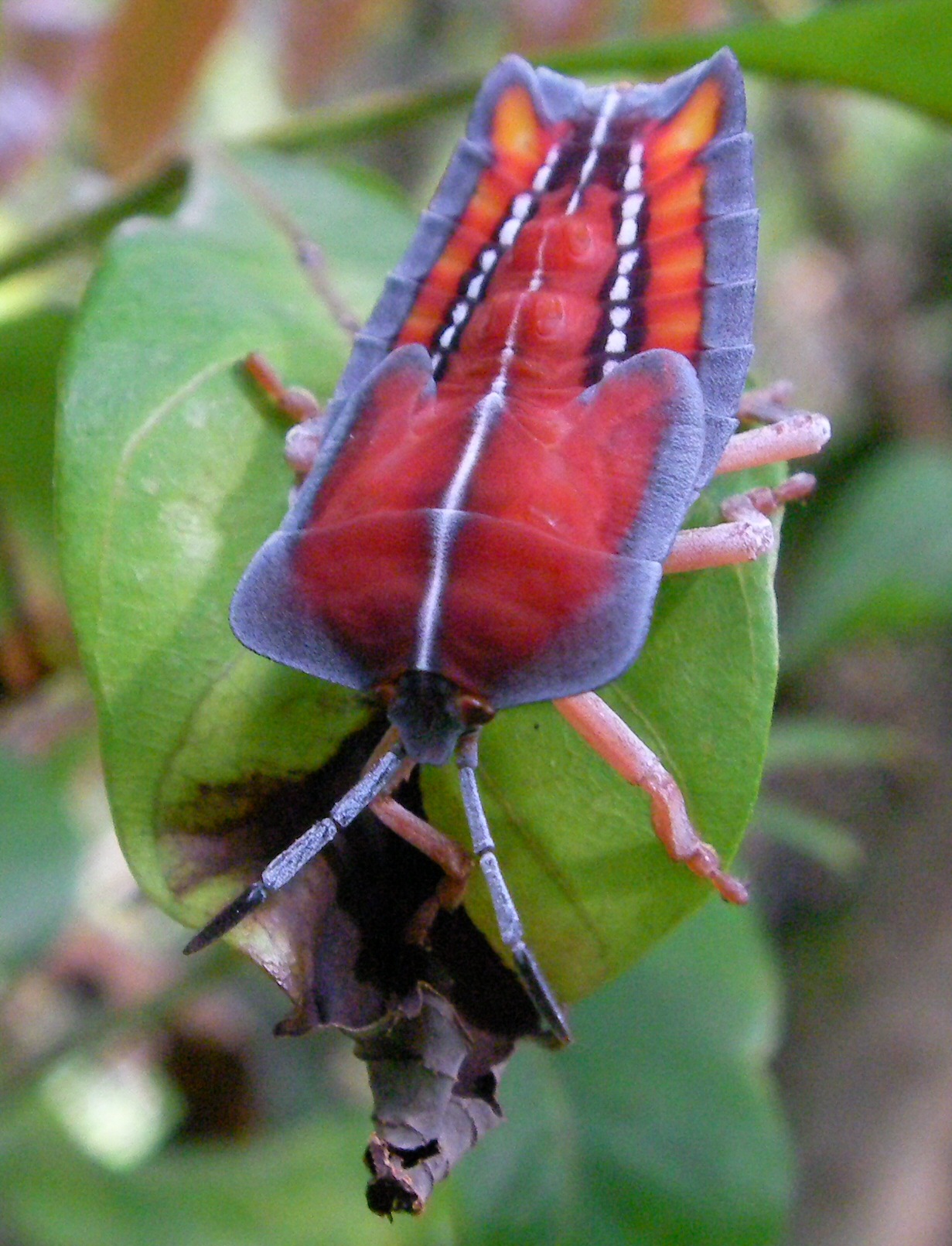
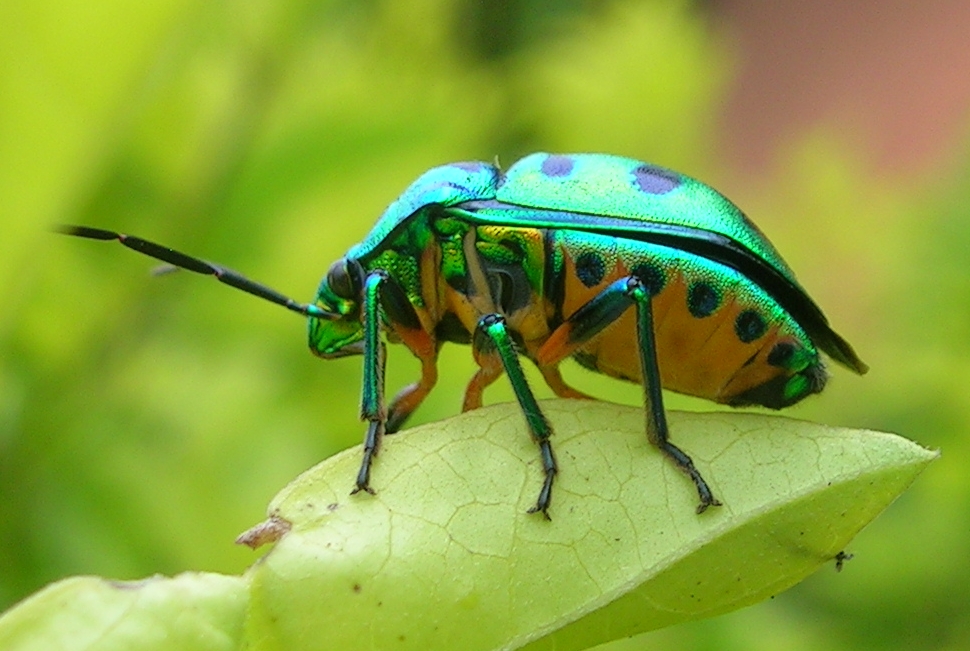
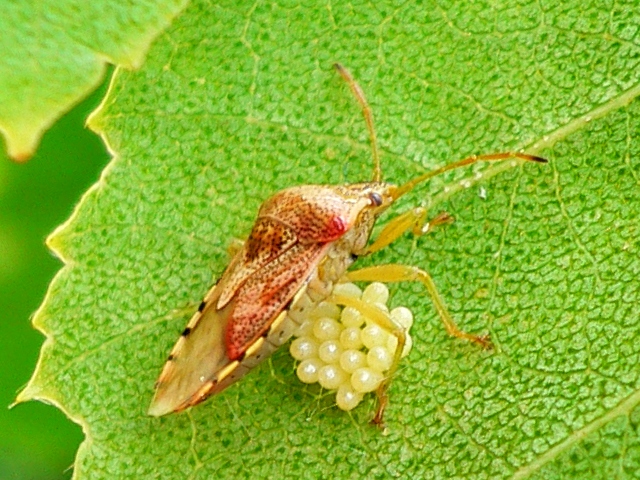

Distinctive characteristics
- Shield-like scutellum: the dorsal plate formed by the thorax that often extends over the abdomen, giving many species their “shield” appearance (thorax).
- Piercing–sucking mouthparts adapted for extracting plant sap or animal fluids; they feed through a beak-like rostrum.
- Scent glands: openings between the first and second pair of legs produce an odorous, usually unpleasant secretion used to deter predators and parasites.
- Hemimetabolous development: life cycle without a pupal stage; immature stages are wingless nymphs that resemble adults.
These morphological features are shared across Pentatomoidea and help separate them from other heteropteran groups. Both adults and nymphs commonly possess the scent glands, so defensive chemistry is important throughout life stages.
Life cycle and behavior
Pentatomoids undergo incomplete metamorphosis. Females lay clusters of eggs, often on host plants, and emerging nymphs pass through several instars before becoming winged adults. Feeding habits vary: many species are phytophagous and feed on seeds, fruit, or sap, while others are predatory, feeding on other insects. Some species are solitary, while others aggregate for defense or overwintering.
Diversity and classification
The superfamily contains about fifteen recognized families. The family Pentatomidae is the largest, with roughly 900 genera and over 4,700 described species; it includes many of the familiar “stink bugs.” Other families differ in body shape, antennal segmentation, and ecology, but all share the general pentatomoid body plan.
Ecological and economic importance
- Agricultural pests: several species feed on fruit, vegetables, grains, and ornamental plants and can cause economic losses by damaging crops or contaminating produce with scent secretions.
- Biological control agents: predatory pentatomoids can reduce pest insect populations and are sometimes considered beneficial in agroecosystems.
- Ecosystem roles: as herbivores and predators they influence plant health, insect community composition, and food webs.
Because some pentatomoid species can invade new regions and establish pest populations, they are monitored by agricultural and quarantine authorities. Identification typically requires examination of body shape, scutellum size, and scent gland structure.
Notable facts and distinctions
Pentatomoidea are easily recognized by their shield-like form and strong-smelling defensive secretions. The combination of morphological and chemical defenses has made them successful in many habitats. For more detailed taxonomic treatments and species lists consult specialist references and online resources such as faunal catalogs and entomological databases (abdomen and body morphology).
Questions and answers
Q: What is Pentatomoidea?
A: Pentatomoidea is a superfamily of bugs in the Heteroptera suborder, commonly known as shield bugs or stink bugs.
Q: How many species of shield bugs are there?
A: There are about 7000 species of shield bugs.
Q: What is the purpose of the shield on their back?
A: The shield on their back is part of the thorax which goes back over the abdomen and works to deter potential predators.
Q: Where are the glands located in shield bugs that produce a foul-smelling liquid?
A: The glands that produce a foul-smelling liquid are located between the first and second pair of legs.
Q: Do shield bug nymphs also have stink glands?
A: Yes, shield bug nymphs also have stink glands.
Q: How many families are in the Pentatomoidea group?
A: There are 15 families in the Pentatomoidea group.
Q: Which family in Pentatomoidea are particularly known as stink bugs and how many species do they have?
A: The Pentatomidae are particularly known as stink bugs and they are the largest family in Pentatomoidea, with about 900 genera and over 4700 species.
Related articles
Author
AlegsaOnline.com Pentatomoidea: shield bugs and stink bugs — overview, traits, and importance Leandro Alegsa
URL: https://en.alegsaonline.com/art/75638
Sources
- ento.csiro.au : "Hemiptera: bugs, aphids and cicadas"