
Pedicure: Cosmetic and hygienic care of the feet and toenails
A pedicure is a cosmetic and hygienic treatment for feet and toenails that includes trimming, exfoliation, callus removal and often polish. It has practical benefits, cultural history, and safety considerations.
A pedicure is a personal care treatment focused on the feet and toenails. In its simplest form it combines cleaning, trimming and smoothing to improve comfort and the visual appearance of the feet. Many people seek pedicures for both aesthetic reasons and to help prevent common nail problems; the procedure ranges from a brief trim to a full spa ritual that includes massage and cosmetic polish. A pedicure can address rough skin, thickened nails and cosmetic concerns alike; see more about the appearance of the feet in professional guides: appearance of the feet.
Image gallery
3 Images

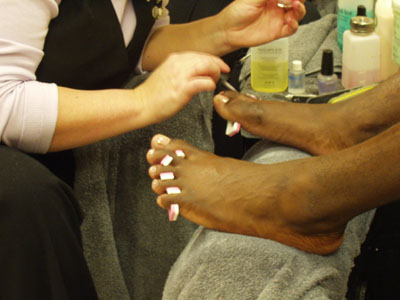
Typical steps and tools
Although methods vary by salon and culture, core elements are common. A typical pedicure includes soaking the feet to soften skin, trimming and shaping toenails, pushing back or trimming cuticles, exfoliating or removing callused areas, moisturizing and sometimes applying polish. Technicians use implements such as clippers, files, buffers, pumice stones and brushes. For information about nail care tools and toenails, consult resources on toenails.
History and cultural context
Foot and nail care have ancient roots: archaeological and textual evidence shows that people practiced nail and foot grooming in several early civilizations, and cosmetic foot treatments have evolved into modern salon and spa services. Pedicures became widely commercialized with the growth of beauty salons in the 20th century and remain a popular service; they are often associated with women in many cultures, though many men also obtain pedicures today (popularity among women and broader demographics).
Benefits, risks and medical considerations
Regular pedicures can help maintain nail hygiene, reduce thickened nails and manage calluses. However, improper technique or unsterilized instruments can introduce infection or aggravate existing conditions. People with diabetes, circulation problems or immune suppression should seek medical advice before routine cosmetic pedicures and may be better served by a medically directed foot care visit. Technicians commonly use pumice and similar abrasives for callus removal; learn more about these tools: pumice stones and exfoliation.
Variations and notable facts
- Cosmetic pedicure: focused on appearance and polish.
- Spa pedicure: includes extras such as massage, paraffin or aromatherapy.
- Medical or podiatric pedicure: performed or supervised by healthcare professionals for foot health issues.
- At-home pedicures are feasible with proper hygiene and basic tools, but professional care may achieve longer-lasting results.
When choosing a pedicure, consider the salon's hygiene practices, the technician's training and any personal health concerns. Properly performed, pedicures combine cosmetic enhancement with routine foot care and can contribute to comfort and confidence in daily activities.
Related articles
Author
AlegsaOnline.com Pedicure: Cosmetic and hygienic care of the feet and toenails Leandro Alegsa
URL: https://en.alegsaonline.com/art/75410
Sources
- uspedicurespa.com : "History of Pedicures"