
Periodontitis — inflammatory disease affecting the tissues around teeth
Periodontitis is a progressive inflammatory disease that destroys the tooth-supporting tissues (periodontium), causing pocketing, bone loss and possible tooth loss. Management emphasizes plaque control and risk reduction.
Overview
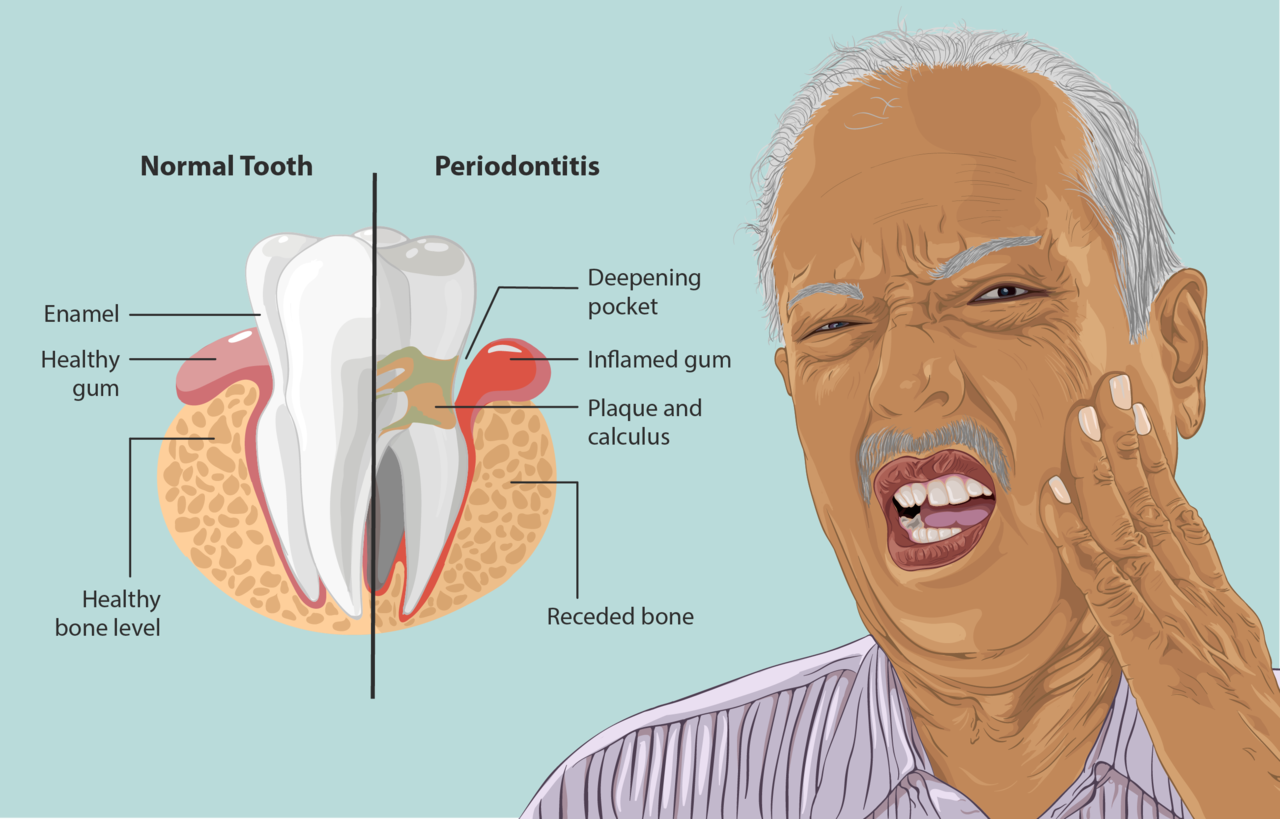
Periodontitis denotes a group of inflammatory conditions that affect the periodontium — the tissues that surround and support the teeth: the gingiva (gums), periodontal ligament, cementum and alveolar bone. It is typically progressive and, unlike gingivitis, involves loss of connective tissue attachment and bone. Advanced disease can cause tooth mobility and eventual tooth loss. Early detection and control can prevent most severe outcomes.
Image gallery
7 Images



Pathophysiology and causes
The primary trigger is a bacterial biofilm (dental plaque) that accumulates at the gum margin. A dysregulated host immune response to this biofilm leads to destruction of connective tissue and alveolar bone. Disease progression depends on interactions among microbial communities, the host inflammatory response and modifying factors such as smoking, systemic disease and genetic susceptibility.
Risk factors and systemic associations
- Behavioral: poor oral hygiene, tobacco use.
- Medical: diabetes, certain medications that alter saliva or immune response, immunosuppression.
- Other: genetic predisposition, older age, stress and socioeconomic factors that affect access to care.
Associations between periodontitis and systemic conditions (for example cardiovascular disease, diabetes and adverse pregnancy outcomes) are widely reported; however, the nature and strength of causal links remain complex and under study.
Clinical presentation and diagnosis
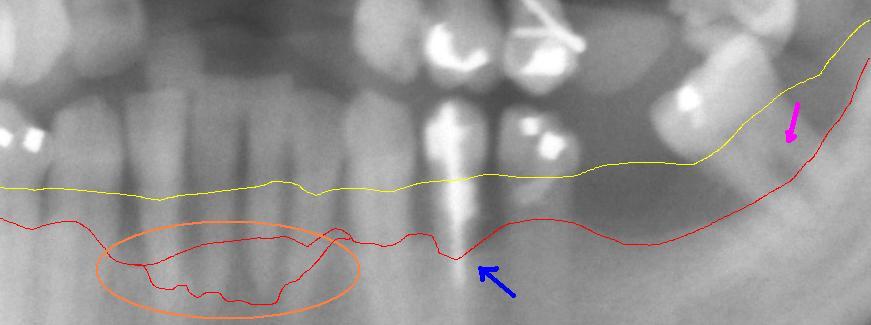
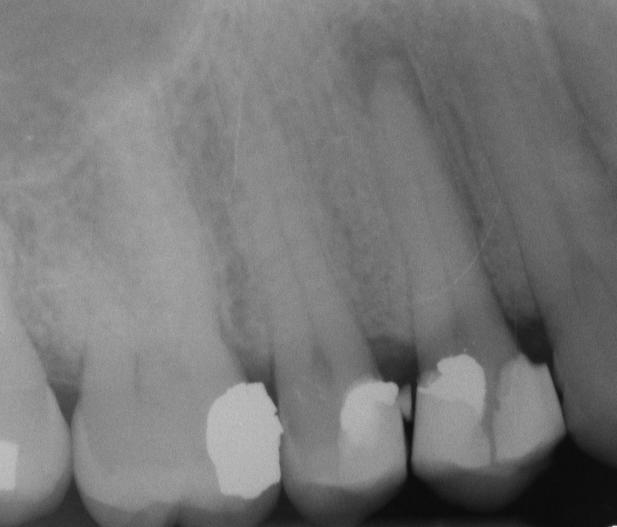
Typical signs include bleeding on probing, pocket formation (increased probing depth), gingival recession, suppuration, increased tooth mobility and radiographic bone loss. Diagnosis is based on clinical examination, periodontal charting and imaging. Comparison with previous records helps identify active progression.
Classification and severity
Contemporary approaches classify periodontitis by extent and severity, considering factors such as the amount of attachment loss and bone loss and the rate of progression. This helps guide treatment planning and prognosis.
Treatment principles
Management aims to control infection, reduce inflammation, halt progression and restore a maintainable oral environment. Core elements include:
- Non-surgical therapy: professional mechanical debridement (scaling and root planing) and improved home care.
- Risk factor control: smoking cessation, glycemic control in diabetes and medication review where relevant.
- Adjunctive therapies: local or systemic antimicrobials, host-modulation agents in selected cases.
- Surgical therapy: flap procedures, resective or regenerative techniques for advanced defects when indicated.
Ongoing maintenance and regular professional follow-up are essential to prevent recurrence.
Prevention and public health
Prevention focuses on daily plaque control (brushing, interdental cleaning), regular professional care and management of modifiable risks. Public health measures that improve access to dental care and education reduce the overall burden of severe periodontitis.
Distinction from gingivitis and etymology
Gingivitis is inflammation confined to the gingiva and is usually reversible with plaque control. Periodontitis involves irreversible loss of attachment and bone. The term periodontitis derives from Greek roots: peri "around", odont "tooth" and -itis "inflammation." For further background see additional resources and for comparisons with gingivitis see gingivitis information.
Practical note: Early diagnosis, individualized treatment and lifelong maintenance reduce long-term harm. Complex cases are often managed by a periodontist in collaboration with the patient's general dentist and other health professionals.
Related articles
Author
AlegsaOnline.com Periodontitis — inflammatory disease affecting the tissues around teeth Leandro Alegsa
URL: https://en.alegsaonline.com/art/75834
Sources
- ncbi.nlm.nih.gov : PMID 16872615
- stroke.ahajournals.org : Antibodies to periodontal pathogens and stroke risk.
- ncbi.nlm.nih.gov : PMID 15232116
- ncbi.nlm.nih.gov : PMID 19419981