
Pelvic inflammatory disease (PID)
Pelvic inflammatory disease is an infection of the female reproductive organs that can cause pain, infertility, and other complications. It is usually bacterial and often treatable with prompt antibiotic therapy.
Overview
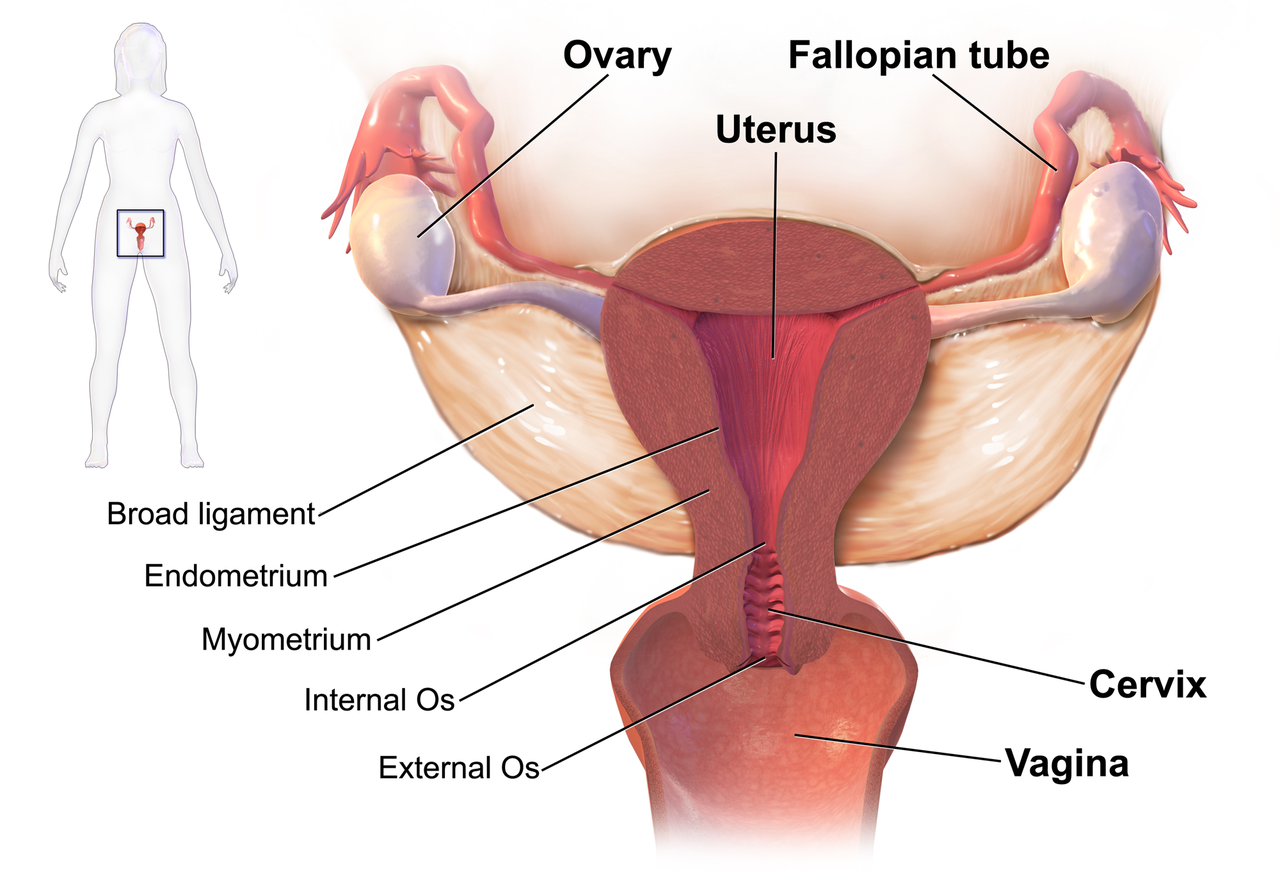
Pelvic inflammatory disease (PID) is an infection of the upper female reproductive tract. The infection can involve the uterus, the fallopian tubes, the cervix, and the ovaries. PID varies from a mild, transient inflammation to a severe illness with abscess formation. Some people have only minimal or no symptoms while others develop obvious pelvic pain and fever.
Image gallery
5 Images


Causes and pathogenesis
PID is most often caused by bacteria that ascend from the lower genital tract. Sexually transmitted organisms such as Chlamydia trachomatis and Neisseria gonorrhoeae are common contributors, but other mixed bacterial infections can produce similar disease. Procedures that introduce bacteria into the uterus or retained products of conception may also precipitate PID. The infection damages delicate tissues in the reproductive tract through inflammation and scarring.
Signs and diagnosis
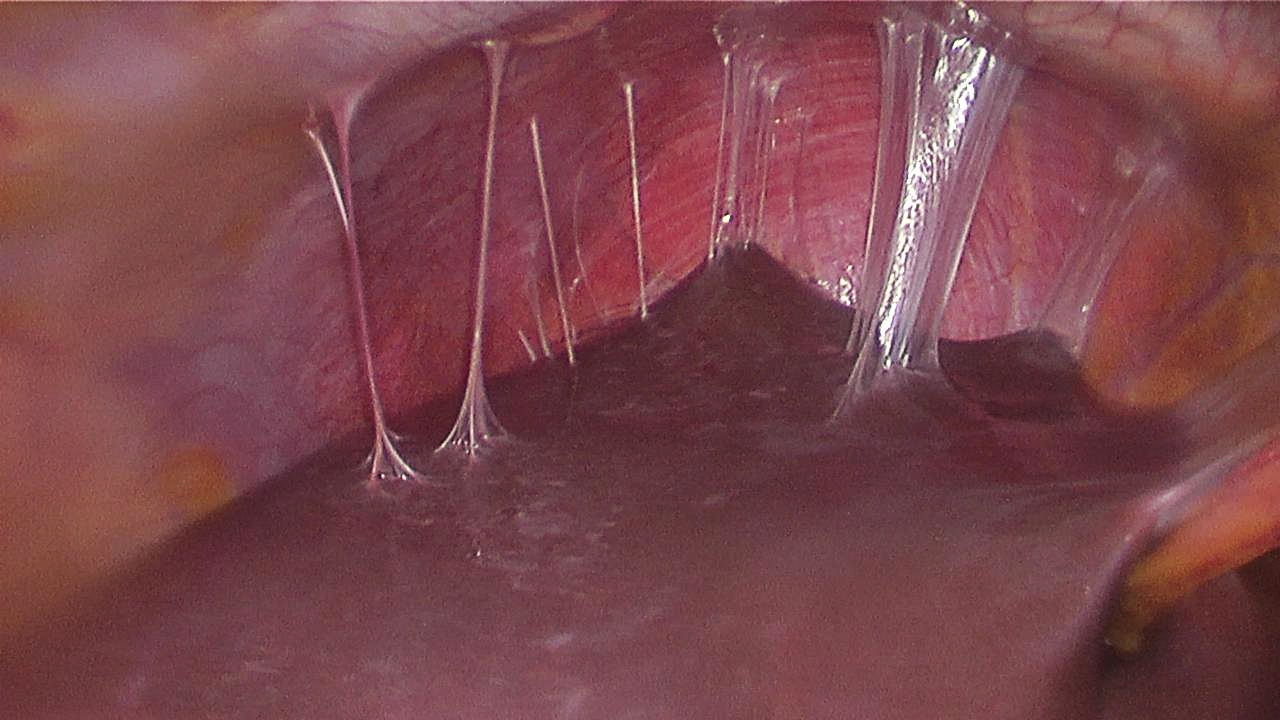
Common symptoms include lower abdominal pain, unusual vaginal discharge, fever, painful urination, pain during intercourse, and abnormal uterine bleeding. Many of these are nonspecific, and some affected persons have minimal complaints. Typical signs and tests used to support the diagnosis include a pelvic examination, cervical swabs, blood tests, and imaging such as ultrasound; laparoscopy is sometimes used when the diagnosis is uncertain or when an abscess is suspected.
- Vaginal discharge often accompanies PID.
- Fever may indicate a more intense infection.
- Burning on urination can occur when inflammation involves nearby structures.
Treatment and prevention
Treatment typically consists of prompt, broad-spectrum antibiotics to cover likely organisms. Many cases are managed with outpatient antibiotic regimens; severe illness, failure to improve, or a tubo-ovarian abscess may require hospital care, intravenous antibiotics, or surgery. Sexual partners should be evaluated and treated when appropriate to prevent reinfection. Preventive measures include safer-sex practices, condom use, and routine screening for sexually transmitted infections in at-risk populations.
Complications and significance
If untreated or recurrent, PID can cause scarring of the fallopian tubes leading to infertility, increased risk of ectopic pregnancy, chronic pelvic pain, and formation of abscesses. Early recognition and treatment substantially reduce the risk of long-term damage. Public-health efforts aimed at STI screening and education have reduced, but not eliminated, the burden of PID.
Notable points
Because symptoms overlap with other conditions, PID is a clinical diagnosis often guided by laboratory and imaging tests. Anyone with new pelvic pain, abnormal discharge, fever, or bleeding should seek medical evaluation to allow timely treatment and limit complications.
Questions and answers
Q: What is pelvic inflammatory disease (PID)?
A: PID is an infection that affects the female reproductive organs, including the uterus, fallopian tubes, cervix, and ovaries.
Q: How can a woman tell if she has PID?
A: Symptoms of PID can include lower stomach pain, vaginal discharge, fever, burning sensation during urination, pain during sex, and abnormal bleeding. However, some women may not experience any symptoms at all.
Q: What are the risks of not treating PID?
A: If left untreated, PID can cause infertility, harm an unborn child, and be very painful.
Q: Is PID curable?
A: Yes, PID can be treated and cured with antibiotics. However, it is important to seek medical attention as early as possible to prevent further complications.
Q: Can PID be prevented?
A: The risk of PID can be reduced by practicing safe sex, using condoms, and getting regular STI screenings. It is also important to promptly treat any infections or illnesses that could lead to PID.
Q: How is PID diagnosed?
A: PID is typically diagnosed through a combination of physical exams, medical history, and lab tests to check for signs of infection or inflammation.
Q: Can men get PID?
A: No, PID is only found in women because it affects the female reproductive organs. However, men can still carry the bacteria that causes PID and pass it on to their sexual partners.
Related articles
Author
AlegsaOnline.com Pelvic inflammatory disease (PID) Leandro Alegsa
URL: https://en.alegsaonline.com/art/75512
Sources
- pubmed.ncbi.nlm.nih.gov : 24275271
- www2a.cdc.gov : "Pelvic Inflammatory Disease (PID) Clinical Manifestations and Sequelae"
- mayoclinic.org : "Pelvic inflammatory disease (PID) Symptoms; Diseases and Conditions"
- worldcat.org : 150148652
- worldcat.org : 43051599
- eradiology.bidmc.harvard.edu : Tuboovarian complex
- pubmed.ncbi.nlm.nih.gov : 9509952
- patient.co.uk : "Pelvic Pain in Women"
- cdc.gov : "Pelvic Inflammatory Disease"
- doi.org : 10.1111/j.1524-4733.2007.00189.x
- pubmed.ncbi.nlm.nih.gov : 17888100
- cdc.gov : "Prevention - STD Information from CDC"
- www2a.cdc.gov : "Pelvic Inflammatory Disease (PID) Partner Management and Public Health Measures"
- emedicine.medscape.com : "Pelvic Inflammatory Disease"