
Pellagra: causes, symptoms, history, prevention and treatment
Pellagra is a clinical syndrome caused by deficiency of niacin (vitamin B3). This article explains causes, classic signs, history, diagnosis, treatment, prevention and public‑health importance.
Overview
Pellagra is a nutritional disease resulting from insufficient niacin (vitamin B3) or its precursor tryptophan. Historically common where diets depended heavily on untreated maize or other low‑niacin staples, pellagra produces a recognizable clinical pattern and remains important where malnutrition, alcoholism, or malabsorption occur. For background on the condition see disease overview and resources on niacin and vitamin B3.
Image gallery
5 Images
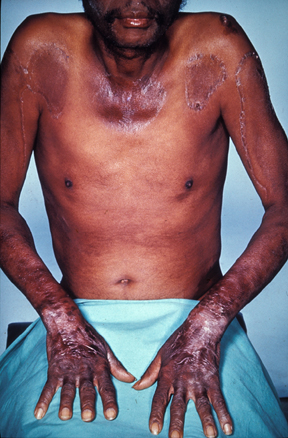


Key features and symptoms
The classic mnemonic for pellagra is the "four D's": diarrhea, dermatitis, dementia, and death if untreated. Presentation varies by stage and severity. Common manifestations include:
- Dermatologic: symmetric scaly rash in sun‑exposed areas, hyperpigmentation, and cracking of the skin.
- Gastrointestinal: anorexia, abdominal pain, nausea, and chronic diarrhea.
- Neuropsychiatric: irritability, memory loss, mood changes such as depression, headaches and progressive cognitive decline consistent with dementia.
- Cardiac and systemic: in advanced cases there can be malaise and weight loss; rare complications reported include myocarditis or dilated cardiomyopathy in severely malnourished patients.
Causes and classification
Pellagra may be primary from an inadequate intake of niacin/tryptophan or secondary due to conditions that interfere with absorption or metabolism. Common contributors are monotonous diets based on untreated corn, chronic heavy alcohol use, chronic diarrhea or inflammatory bowel disease, and disorders of tryptophan metabolism. Some medications and certain illnesses can also impair niacin status.
History and public health
Pellagra emerged as a public‑health crisis in parts of Europe and the United States in the 19th and early 20th centuries, especially where maize was a dietary staple. Research by investigators such as Joseph Goldberger established a nutritional cause. Later work showed that processing maize with alkaline treatment (nixtamalization) preserves niacin and prevents the disease. Widespread food fortification with B vitamins has greatly reduced pellagra in many countries.
Diagnosis, treatment and prevention
Diagnosis is primarily clinical, based on the pattern of symptoms and response to treatment, and can be supported by measuring urinary niacin metabolites in specialized settings. Management includes:
- Immediate replacement therapy with niacin or nicotinamide supplements and correction of fluid and nutrient deficits.
- Nutrition: a varied diet with niacin‑rich foods such as meat, fish, legumes and fortified cereals; see general dietary information at food sources.
- Addressing underlying causes: treating alcohol dependence, correcting malabsorption, and managing chronic gastrointestinal disease.
Public‑health measures that prevent pellagra include dietary diversification, targeted supplementation for at‑risk groups, and food fortification. Educational programs and monitoring in vulnerable populations help identify early cases.
Notable distinctions and facts
Pellagra differs from other photosensitive dermatoses by the combined presence of gastrointestinal and neuropsychiatric symptoms. The condition is rapidly reversible if identified early; however, prolonged deficiency can lead to permanent neurological damage or death. For clinicians and researchers, further guidance and references can be consulted via clinical summaries and public‑health pages found at disease information and nutrition portals such as niacin resources.
For additional reading and practical guidance on prevention and care, see educational materials linked at vitamin B3, community nutrition pages at dietary guidance, and condition summaries covering symptoms like diarrhea, skin findings such as dermatitis, and neuropsychiatric aspects like dementia and depression. Clinical support and treatment protocols may be reviewed through resources labeled mortality risk and diagnostic tools.
Related articles
Author
AlegsaOnline.com Pellagra: causes, symptoms, history, prevention and treatment Leandro Alegsa
URL: https://en.alegsaonline.com/art/75497