
Peaking power plant (peaker): purpose, types, and role in electricity systems
A peaking power plant (peaker) runs only during periods of highest electricity demand. This article explains how peakers operate, their common types, history, uses, and distinctions from base load generation.
Overview
A peaking power plant, commonly called a peaker, is a power-generating facility that is used primarily during times of unusually high electrical demand. Unlike continuous or base load facilities, peakers operate intermittently to meet short-duration spikes in consumption, for example on hot afternoons when many air conditioners are operating. Peaking plants are valued for their ability to start quickly and provide flexible output when the grid needs it most. For general context see a typical power station description and basic concepts of electricity.
Image gallery
4 Images


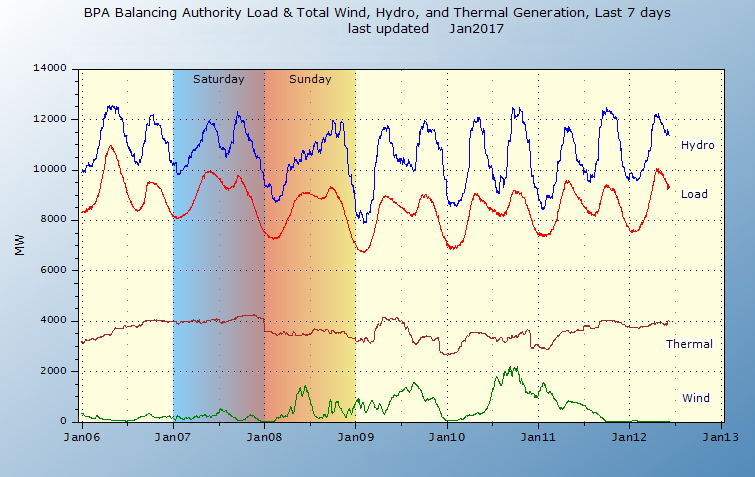
Characteristics and common types
Peakers are designed for responsiveness rather than maximum efficiency. They often accept higher fuel or operating costs because they run relatively few hours per year. Common technologies used as peaking resources include:
- Gas-fired turbines — simple-cycle gas turbines that can start quickly and ramp to full power within minutes; examples are often described as gas-fired power plants.
- Hydroelectric peakers — conventional hydropower units or pumped-storage hydro that release stored water to make electricity on demand.
- Distributed and emerging options — while not always called peakers, batteries, demand-response programs, and fast-start reciprocating engines are increasingly used for similar purposes.
History and development
The need for peaking capacity grew as electrification expanded and variable loads (air conditioning, industry) created pronounced daily peaks. Historically, utilities relied on flexible thermal or hydro units for peaks. Over recent decades, regulatory changes, market structures that pay for capacity and fast response, and advances in storage have shifted how peaking needs are met.
Uses, importance, and examples
Peakers support reliability by preventing blackouts and stabilizing frequency during demand surges. They also enable integration of less predictable resources by covering shortfalls. Typical real-world examples include simple-cycle turbines that run only for hours on extreme days and pumped-storage plants that move water to higher reservoirs when prices are low and discharge during peak prices. Peakers are distinct from continuous generators like conventional base load power plants.
Distinctions and notable facts
Not all generation types are suitable as peakers. Technologies with very low marginal costs and long ramp times, such as many nuclear reactors, are generally not used as peaking units. Solar generation is variable and usually produces during daytime peaks but cannot be dispatched upward on demand in the same way as a peaker; instead it complements or reduces the need for peaking capacity while batteries and responsive loads take on more peaking roles. For household context, common peak drivers include extensive air conditioners and cooling systems that spike demand during heat waves.
Peaking resources remain a key part of grid planning, balancing operational flexibility, cost, and environmental considerations as energy systems evolve.
Related articles
Author
AlegsaOnline.com Peaking power plant (peaker): purpose, types, and role in electricity systems Leandro Alegsa
URL: https://en.alegsaonline.com/art/75345