
Permanent way (railway track structure)
The permanent way is the installed track structure of a railway: rails, sleepers (ties), fastenings, ballast or slab, formation and drainage that together carry trains and resist loads.
The permanent way is the assembled, continuously maintained path of a railway that supports and guides trains. It includes the rails themselves plus the components that locate and distribute loads, provide electrical continuity and drainage, and keep the track in correct geometry. The term is traditional in many countries and distinguishes the finished, traffic-carrying installation from temporary construction tracks used during building.
Image gallery
10 Images


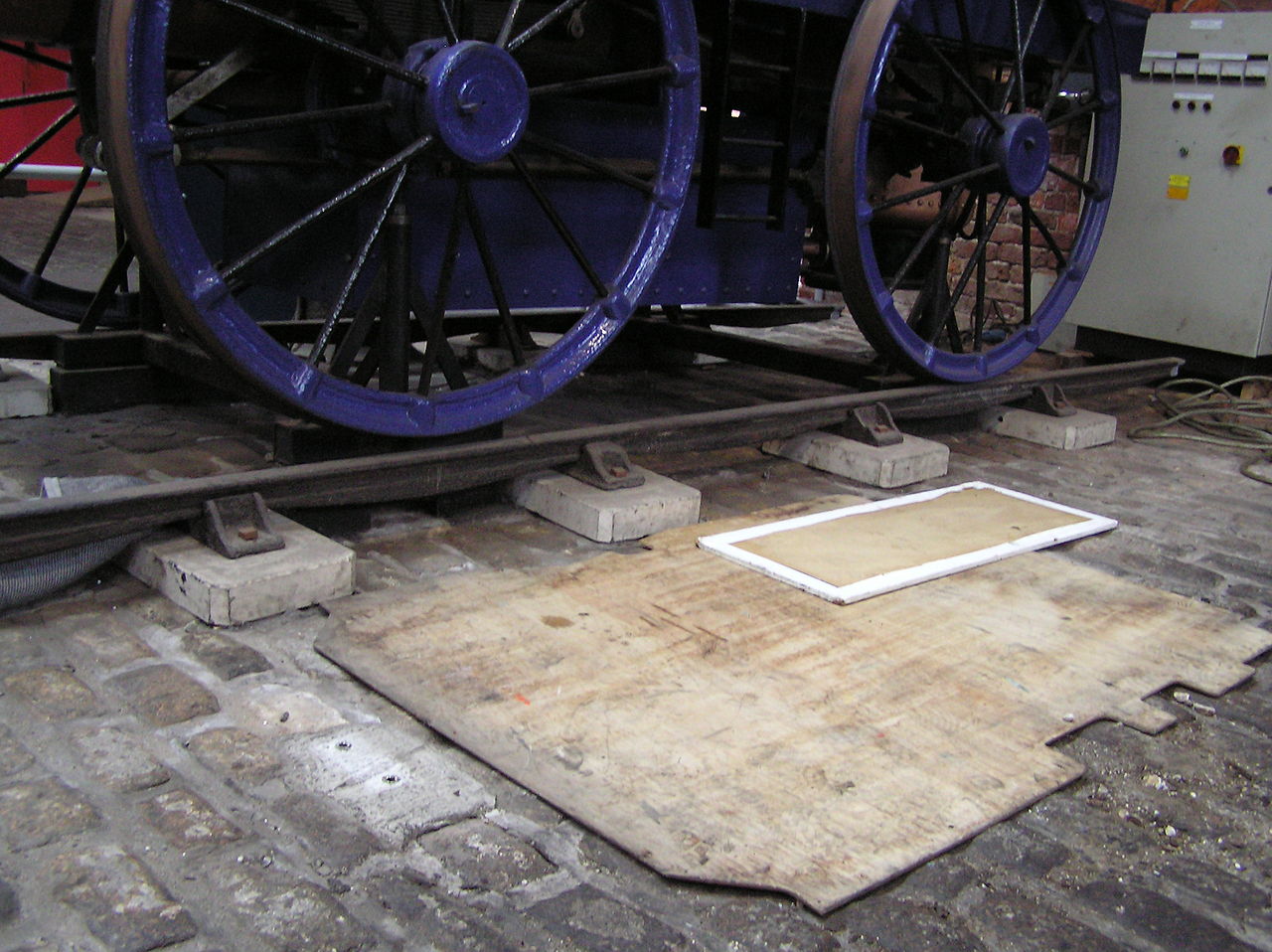



Principal components
A functional permanent way typically consists of the following elements, each serving a distinct role:
- Rails — steel sections that carry wheel loads and provide the running surface and alignment.
- Sleepers (ties) — transverse supports spaced along the track that maintain rail gauge and transfer loads to the support layer.
- Fastenings — clips, bolts or plates that secure rails to sleepers and preserve gauge under traffic.
- Ballast — crushed stone or aggregate that holds sleepers in place, provides drainage and spreads loads.
- Formation and subgrade — earthworks and foundations beneath the ballast that provide stable support and drainage.
- Turnouts, switches and crossings — movable and fixed components that allow trains to change tracks.
Alternative systems such as ballastless or slab track replace ballast and sleepers with concrete slabs and fastenings; these are used where long-term geometry stability or reduced maintenance is required.
History and terminology
The name "permanent way" arose because early construction projects often used temporary rails to move materials. Once earthworks and structures were complete, the temporary track was removed and the permanent installation put in place. The concept evolved from early wooden rails and plateways to modern rolled steel rails, continuous welded rail and sophisticated fastening systems.
Maintenance, safety and importance
Keeping the permanent way in correct alignment and condition is essential for safety and ride quality. Routine work includes tamping ballast, replacing worn rails and sleepers, correcting geometry, welding rail joints and ensuring drainage. Poorly maintained track increases derailment risk and reduces permitted speeds.
The permanent way is a core asset of any railway, influencing capacity, comfort, lifecycle cost and operational resilience. Understanding its parts and behaviour helps planners, engineers and the public appreciate why track design and upkeep consume significant resources and careful engineering judgment.
Related articles
Author
AlegsaOnline.com Permanent way (railway track structure) Leandro Alegsa
URL: https://en.alegsaonline.com/art/75865