
Pipe (material): types, sizing, manufacture and uses
A pipe is a rigid hollow cylinder used to convey fluids or protect cables. This article explains materials, sizing and standards, manufacturing methods, applications and distinctions from tube and hose.
Overview
A pipe is a rigid hollow cylinder or tube designed to convey fluids (liquids and gases) or to enclose cables and other services. Pipes are characterized by their shape, material and function: they are generally intended for permanent installation and to withstand internal pressure and external loads. For more on basic concepts and fluid conveyance, see fluid transport.
Image gallery
9 Images




Characteristics and sizing
Pipes are commonly specified by dimensions, pressure rating and material. In many industries a pipe size is referenced by its internal diameter (ID) and wall thickness; tube specifications more often use outside diameter (OD) and precise tolerances. Wall thickness and diameter together determine the pipe's capacity to resist internal pressure and bending. Schedules and classes are used to express pressure ratings and wall thickness; technical standards and detailed dimension tables are maintained by national and international bodies—consult standards for specific tables and tolerances.
Materials and manufacture
Pipes are produced from a wide range of materials chosen for strength, corrosion resistance, weight and cost. Common materials include:
- Metals: carbon steel, stainless steel, copper, cast iron
- Plastics: PVC, CPVC, polyethylene (PE), polypropylene (PP), HDPE
- Concrete and ceramic: reinforced concrete and clay for large-diameter or buried mains
- Composite materials: glass-fibre reinforced plastics and lined pipes for special corrosion resistance
Manufacturing methods vary: metal pipes may be seamless (drawn from a billet) or welded (formed from plate or strip), while plastic pipes are usually extruded. Joining techniques include welding, threading, flanged connections, solvent or adhesive joints and mechanical couplings; selection depends on material, pressure and the required permanence of the connection. For guidance on material choice and manufacturing, see material and production.
History and development
The use of hollow conduits to move water and other fluids dates back millennia, with examples of clay, wood and metal channels in early civilizations. Advances in metallurgy and industrial production in the 18th and 19th centuries enabled long-lasting iron and steel piping for urban water and steam systems. In the 20th century, the introduction of polymer chemistry and extrusion technologies produced lightweight, corrosion-resistant plastic pipes that transformed plumbing, drainage and distribution networks worldwide.
Applications and examples
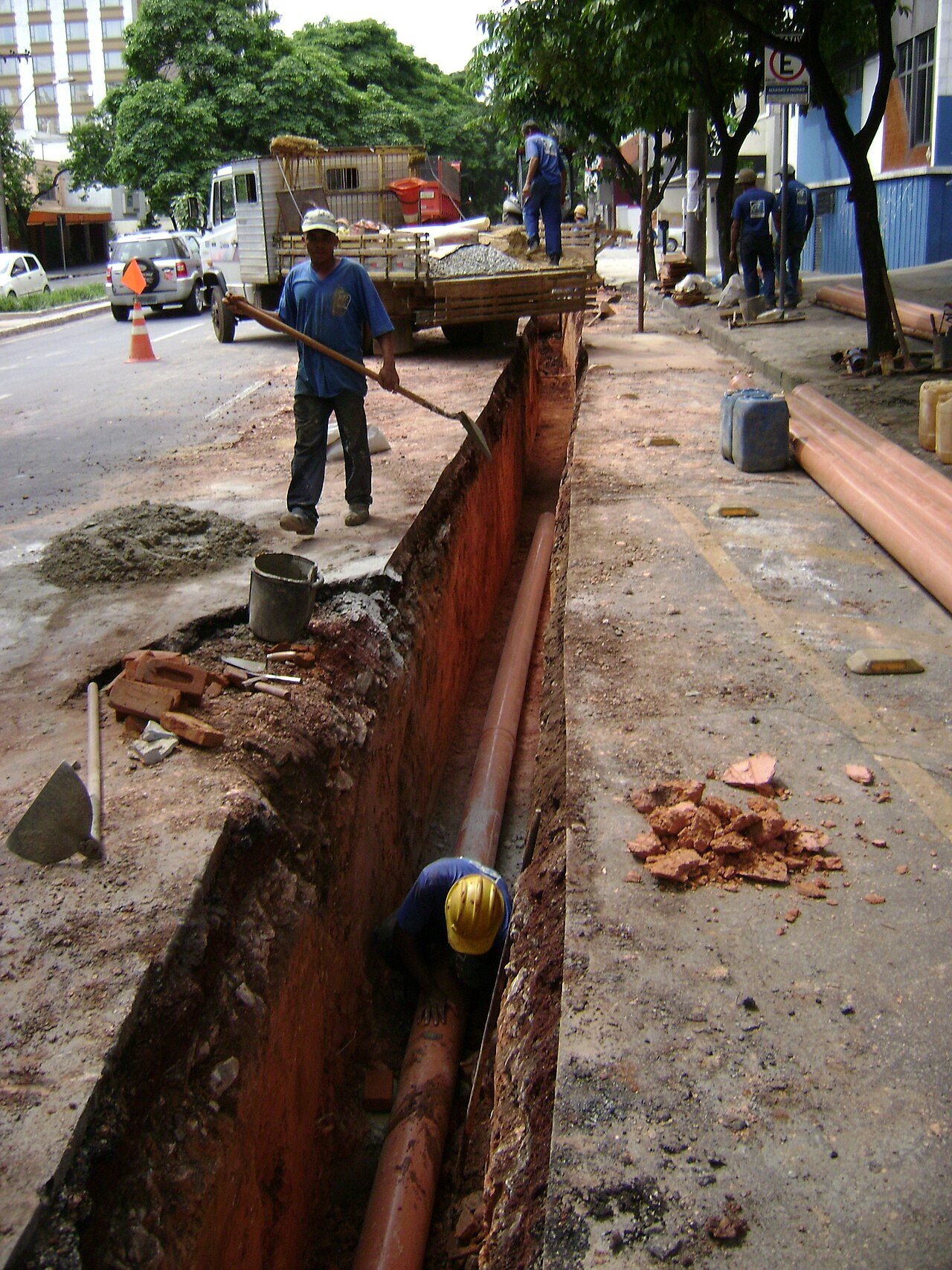
Pipes serve many sectors: municipal water and sewer systems, oil and gas production and transmission, chemical processing, heating and ventilation, irrigation, structural purposes and electrical conduits. Selection criteria include operating pressure and temperature, chemical compatibility with the conveyed substance, required lifespan and installation environment. Typical installation practices differ by sector—for instance, buried mains, visible industrial piping, and building plumbing each use different supports, fittings and protective measures. Industry references and installation guides provide detailed practices—see installation and codes.
Distinctions, maintenance and notable facts
It is important to distinguish pipe from tube and hose: tubes are often made to tighter tolerances and used where precise dimensions matter, while hoses are flexible and portable. Pipes can be susceptible to corrosion, scaling and mechanical damage; maintenance includes inspection, cleaning, lining and cathodic protection where appropriate. Large networks of pipe form critical infrastructure, so material selection, proper joining and adherence to standards are essential to ensure safety and longevity.
Further reading: consult local codes and standards organizations for design tables, pressure classes and accepted joining methods, and consult industry guidance for material suitability and lifecycle considerations.
Related articles
Author
AlegsaOnline.com Pipe (material): types, sizing, manufacture and uses Leandro Alegsa
URL: https://en.alegsaonline.com/art/77045