
Base load power plant
A base load power plant supplies a continuous, minimum level of electricity to the grid. Article explains its characteristics, common technologies, operational role, distinctions, and evolving outlook.
Overview
A base load power plant is a facility designed to supply a steady, continuous portion of the electrical demand over long periods. These units operate near constant output and are reserved to meet the network's minimum demand rather than short-term spikes. In electricity industry texts a base load plant is often contrasted with peaking and load-following plants. For general background on what a large generating facility is, see the term power station.
Image gallery
5 Images



Key characteristics
Base load plants typically run for long runs between maintenance outages and are built for reliability and fuel efficiency at a steady operating point. They tend to have high capacity factors, relatively slow ramp rates, and lower marginal cost per unit of energy when run continuously. The concept implies meeting a minimum power generation requirement for a system and delivering a continuous supply of electricity rather than rapid response.
Common technologies
- Coal-fired thermal plants — long-established providers of continuous generation.
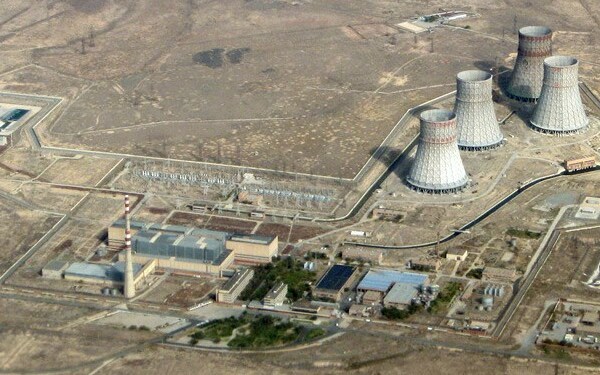
- Nuclear power plants — designed for long, uninterrupted operation and high capacity factor; see also nuclear references.
- Geothermal stations — where geological conditions permit, they supply steady heat-driven power.
- Large hydroelectric plants with sustained reservoir flows — sometimes operate as base load depending on water management.
Operational role and examples
Operators schedule base load units to run continuously except for planned outages for maintenance or refueling. These plants form the backbone of many grids by covering the lowest level of demand throughout daily and seasonal cycles. They are not primarily intended to follow short-term demand swings; instead, flexible peaking plants and storage handle variability.
Distinctions, trade-offs and modern trends
Compared with peaking plants, base load facilities emphasize efficiency and long-term economics over flexibility. Environmental impacts and fuel supply considerations have driven shifts away from some traditional base load fuels in many regions. Increasing shares of variable renewable generation and advances in energy storage and demand response are changing system operations: grids may rely less on large inflexible base load units and more on a mix of flexible resources and continuous low-carbon generators.
Notable facts
Understanding base load plants helps clarify power-system planning: they are a tool for ensuring continuous availability, but their role evolves as technology and policy shift. For further reading and technical references, consult industry and grid-operation resources at power station overviews and broader energy summaries at electricity supply portals.
Related articles
Author
AlegsaOnline.com Base load power plant Leandro Alegsa
URL: https://en.alegsaonline.com/art/9196