
Pediatrics: medical care for infants, children and adolescents
Pediatrics is the medical specialty focused on the health, growth and development of infants, children and adolescents, emphasizing prevention, diagnosis, treatment and family-centered care.
Pediatrics is the branch of medicine devoted to the physical, mental and social health of infants, children and adolescents. While exact age cutoffs vary by country and context, pediatric care commonly covers patients from birth through the late teens or early twenties. Physicians who practice in this field are called pediatricians; they may serve as primary care providers or pursue further training to become subspecialists.
Image gallery
3 Images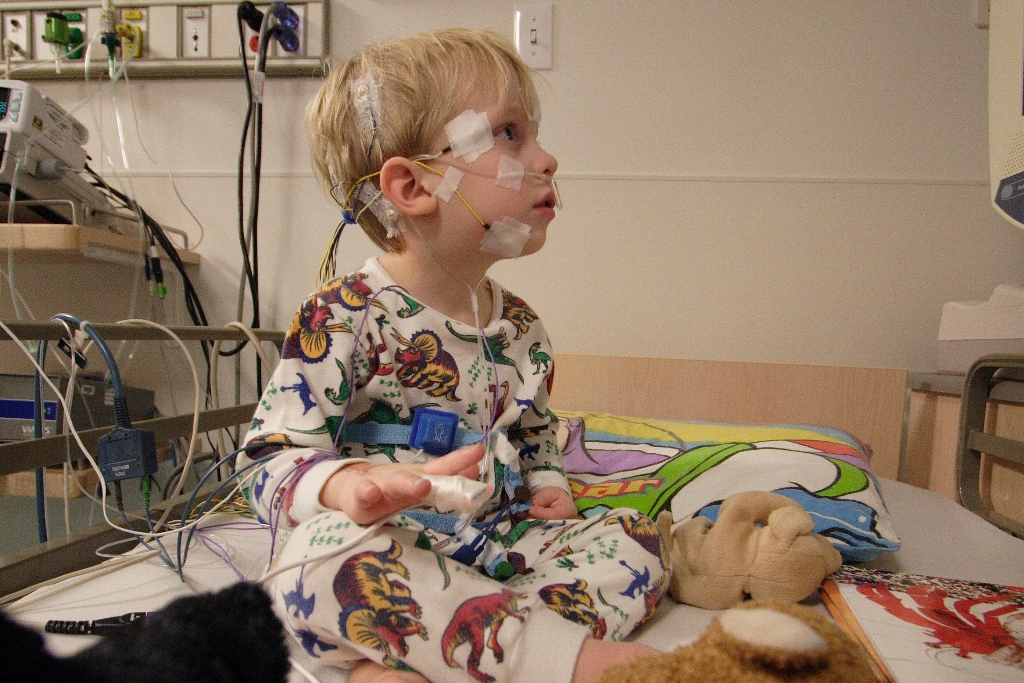


Scope and roles of pediatricians
Pediatricians manage a wide range of conditions, from routine well-child checks and growth monitoring to acute illnesses and complex chronic disorders. They diagnose and treat acute and chronic childhood diseases, assess developmental milestones, and coordinate care with therapists, schools and other specialists. Primary pediatric care emphasizes continuity: immunization schedules, age-appropriate screening, anticipatory guidance and family education are core tasks.
Common services and subspecialties
Typical services provided in pediatric practice include newborn exams, vaccination, growth and nutrition counseling, developmental screening, and management of infections and injuries. Pediatric medicine also contains many subspecialties such as neonatology (newborn intensive care), pediatric cardiology, pediatric oncology, pediatric pulmonology and others that focus on specific organ systems or complex conditions.
- Preventive care: vaccination (often called immunization or vaccination), screening and safety counseling.
- Acute care: treatment of infections, injuries and common childhood complaints.
- Chronic care: long-term management of conditions like asthma, diabetes, or congenital disorders.
History and public health impact
Pediatric practice developed alongside advances in public health, nutrition and infectious disease control. In the 19th and early 20th centuries, child mortality was far higher than today, largely because of infectious diseases, poor sanitation and limited preventive measures. Widespread vaccination programs, improved hygiene, antibiotics and better neonatal care have dramatically reduced deaths and disability among children.
Prevention, education and family-centered care
Prevention is central to pediatrics. Pediatricians advise caregivers on safety, nutrition and developmental stimulation, and provide counseling on parenting issues for families. They also discuss injury prevention and behavioral risks with older children and adolescents, including strategies to avoid substance misuse and addiction, and specific harms associated with alcohol and tobacco. This blend of medical treatment, preventive services and guidance aims to support healthy development from infancy through adolescence.
Because childhood spans rapid physical and psychological change, pediatric care is tailored to developmental stage and family context. Coordination with public health programs, schools and community services helps pediatricians address both individual medical needs and broader determinants of child health.
Questions and answers
Q: What is the specialty of medicine that cares for infants, children and adolescents?
A: Pediatrics is the specialty of medicine that cares for infants, children and adolescents.
Q: Who works in pediatrics?
A: A person who works in pediatrics is called a pediatrician.
Q: What do pediatricians do?
A: Pediatricians take care of diseases that children get. They also make sure that children develop normally and try to prevent illness. One of the most important ways that children's diseases can be prevented is by immunization (also known as vaccination).
Q: How did childhood deaths change in the 19th century?
A: In the nineteenth century, one in five children died before the age of five due to infectious diseases. Today some of these deaths are prevented by treating disease when it happens and most are prevented with immunizations.
Q: What else do pediatricians do besides prevent illnesses?
A: Pediatricians also try to prevent other diseases and injury before they happen. They teach parents about safety and nutrition, as well as older children or adolescents about avoiding injury or addiction to alcohol and tobacco. Because childhood is such a time of change, prevention is a major part of pediatrics.
Q: What ages does pediatrics cover?
A: Pediatrics covers from early months until 18-21 years old.
Related articles
Author
AlegsaOnline.com Pediatrics: medical care for infants, children and adolescents Leandro Alegsa
URL: https://en.alegsaonline.com/art/75409