
Dissection: anatomical examination by careful cutting
Dissection is the methodical opening and separation of tissues to study internal structure, used in biology, medicine and research; it includes techniques, history, educational uses, and ethical considerations.
Overview
Dissection is the deliberate cutting and separation of tissues of a plant, animal or human body to reveal internal structures and relationships. It is a core method in anatomy, used to observe organs, systems and spatial arrangements that are difficult to appreciate from external inspection alone. As a practical skill it appears in many fields: biological teaching and research, medical training, and forensic pathology.
Image gallery
10 Images


Techniques and typical procedure
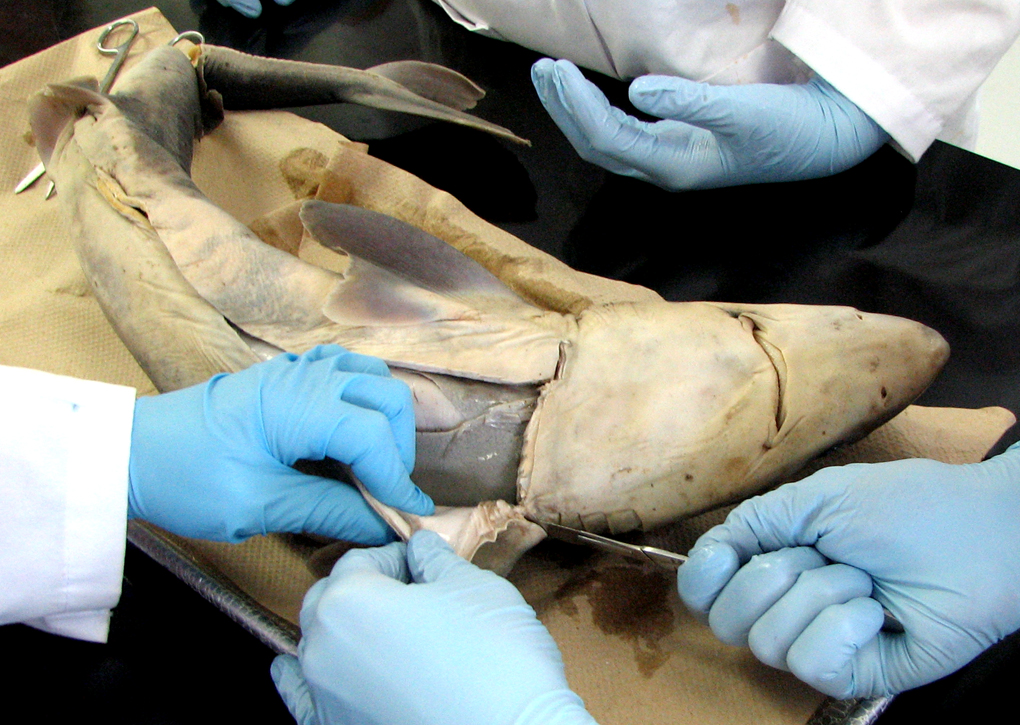
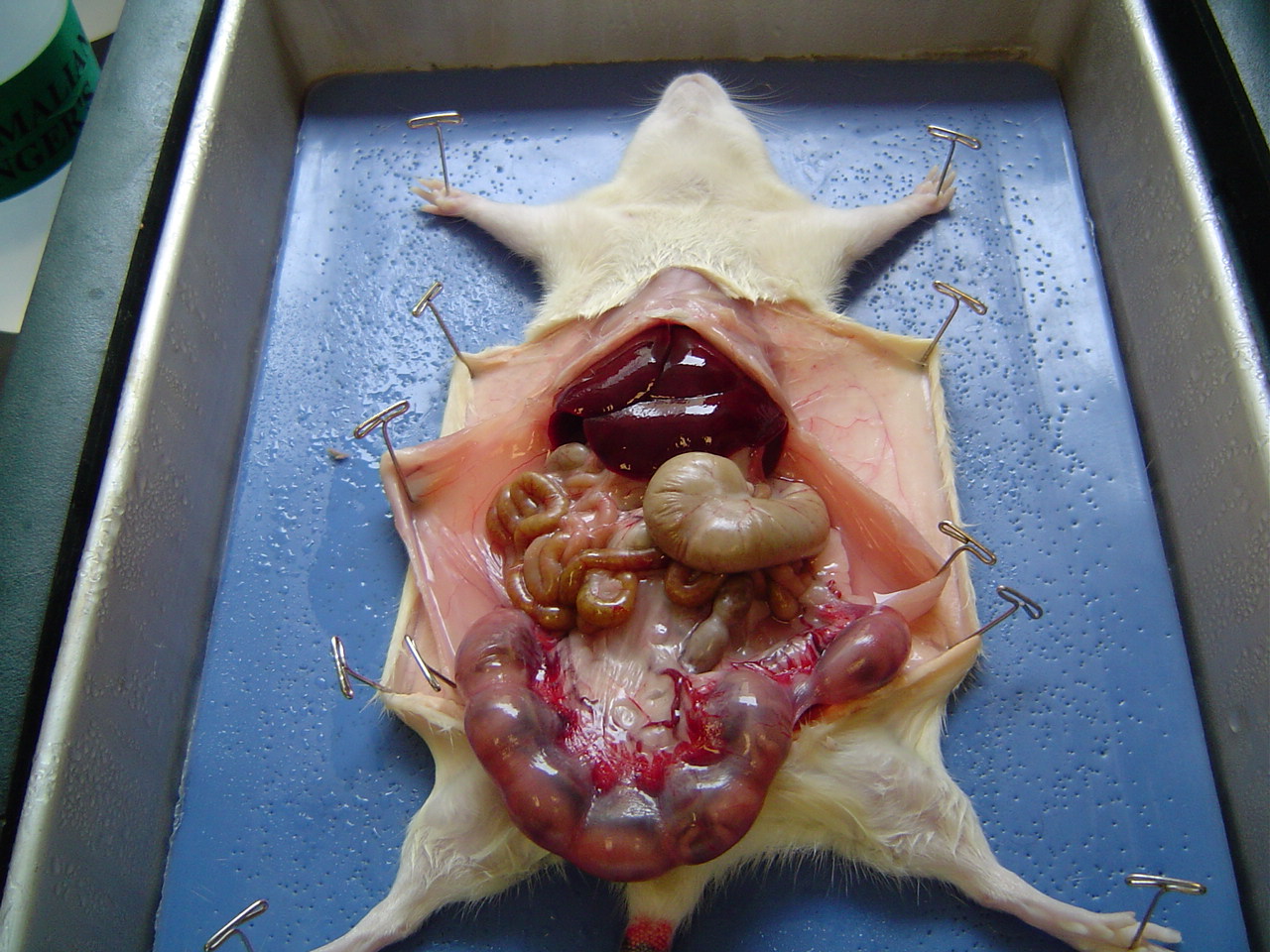
Practitioners follow standard laboratory protocols to preserve specimens and record observations. A typical dissection proceeds from external inspection to layer-by-layer exposure of muscles, vessels and organs, using scalpels, scissors and probes under controlled lighting. Specimens may be preserved with chemical fixatives or examined fresh in specialised facilities. For procedural guidance and safety, many institutions provide a basic laboratory technique manual; the method is widely taught in biology and allied subjects and used in pathology.
Common types and steps
- Educational dissections: prepared organisms for classroom learning.
- Surgical dissections: deliberate cuts during clinical operations to access structures.
- Autopsy dissection: systematic internal examination in a post-mortem to determine cause of death (autopsies) and document disease processes (cause of death).
Basic steps include specimen identification, external note-taking, incision along anatomical landmarks, systematic exposure of deeper structures, and documentation by notes, drawings or photographs.
History and scientific importance
Dissection has a long history in human inquiry into form and function. From early anatomical studies to Renaissance public dissections and the later development of modern anatomy, cutting into bodies has yielded key discoveries about organ systems and circulation. Zoologists and comparative anatomists use dissections to compare body plans across species; such comparisons contribute to understanding relationships among organisms and broader patterns of comparative anatomy and evolutionary biology. Professionals who perform dissections include surgeons, anatomists and zoologists.
Applications, ethics and alternatives
Beyond education and research, dissection plays a role in forensic investigations and diagnostic pathology. It must be conducted with respect for donors, legal authorization, and attention to biohazard safety and waste disposal. Ethical concerns have prompted alternatives such as virtual dissection software, 3D models and plastinated specimens; these tools can reduce the need for fresh cadavers in some settings. For procedural definitions and etymology, see general references that explain what it means to to dissect.
Notable facts and guidance
Although methods vary by purpose, the goals of dissection are consistent: to reveal structure, support learning, and provide evidence in medical and scientific contexts. Instruction and practice emphasise careful technique, accurate record-keeping and ethical handling, while modern imaging and simulation increasingly complement traditional dissection in education and research.
For further reading and institutional guidelines consult introductory lab documents and professional protocols: lab technique, biology curricula, pathology resources, and legal/ethical summaries often referenced by educational providers (autopsies, cause of death). Additional context on practitioners and comparative fields is found in materials for zoologists and comparative anatomy discussions (comparative anatomy, evolutionary).
Related articles
Author
AlegsaOnline.com Dissection: anatomical examination by careful cutting Leandro Alegsa
URL: https://en.alegsaonline.com/art/27725