
Pear (color)
Pear is a pale yellow-green (chartreuse-leaning) hue named after pear skin, used in design to suggest freshness, nature, and gentle brightness.
Pear is a pale yellow-green color that lies between soft yellow and muted chartreuse. The name comes from the typical outer skin of some pear varieties; for example, the tone commonly evokes the surface of Anjou or Bartlett pears. Pear is generally lighter and less saturated than vivid chartreuse, producing a fresh but understated appearance.
Image gallery
10 Images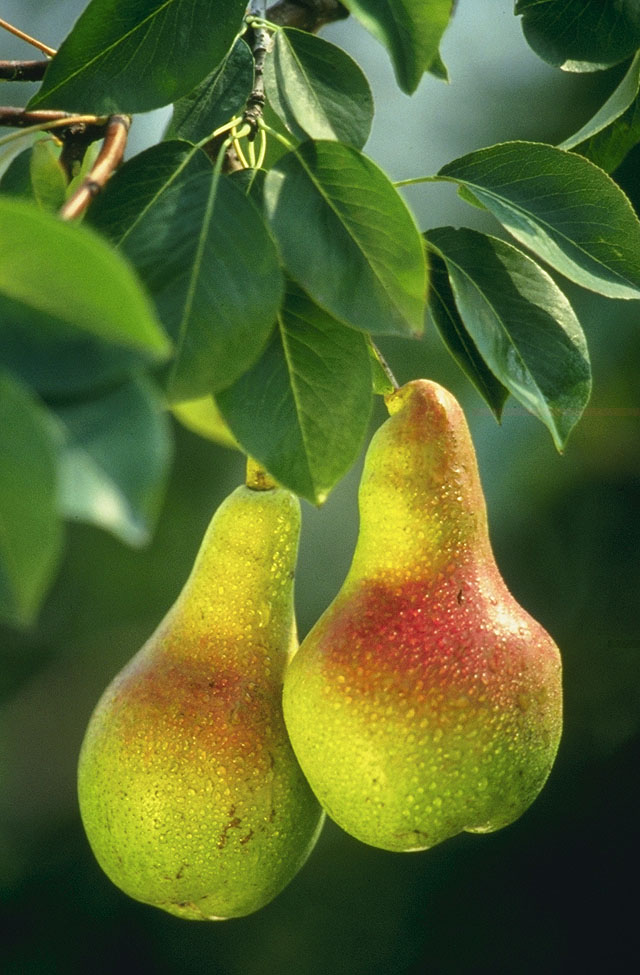


Characteristics
- Hue family: yellow-green, often described as chartreuse-leaning.
- Value and saturation: usually pale and moderately desaturated, giving a gentle, pastel quality.
- Perceptual qualities: appears warm yet green, readable against darker backgrounds and calming in larger fields.
As a descriptive name, "pear" follows a long tradition of naming colors after natural objects. Designers and paint makers have used fruit- and plant-based terms for decades because they communicate an immediate visual reference. Although not formalized like some standardized color names, pear is widely understood in fashion, interior design, and palette descriptions.
Common uses for pear include interior accents, kitchen and dining spaces, spring and summer fashion collections, and brand palettes that want to suggest freshness, growth, and approachability. In graphic and web design it is often paired with neutral creams, warm browns, soft blues, or deeper purples to create contrast while retaining a natural feel.
Distinctions and notes
- Pear vs. chartreuse: chartreuse is brighter and more saturated; pear is paler and softer.
- Pear vs. lime or pistachio: lime is often more vivid; pistachio is typically dustier and more muted.
- Practical tip: because pear reads as light and warm, it works well for accents rather than high-contrast text when used as a background.
Related articles
Author
AlegsaOnline.com Pear (color) Leandro Alegsa
URL: https://en.alegsaonline.com/art/75352
Sources
- i-freeware-download.com : The color pear: