
Paranthropus aethiopicus — the Black Skull early robust hominin
Paranthropus aethiopicus, known from the KNM-WT 17000 'Black Skull' (Lake Turkana), is an early robust australopithecine (~2.5 Ma) noted for heavy‑chewing adaptations and for illuminating hominin diversity in the Pliocene.
Overview
Paranthropus aethiopicus is an extinct species of early hominin assigned to the group commonly called the robust australopithecines. Best known from the partial skull KNM-WT 17000, nicknamed the "Black Skull," the species is important because it combines a suite of strong chewing adaptations with a relatively primitive cranial shape, and it is dated near the end of the Pliocene.
Image gallery
6 Images



Anatomy and adaptations
The anatomy of P. aethiopicus emphasizes powerful mastication. Distinctive features include large postcanine teeth with thick enamel, wide flaring zygomatic bones (cheekbones), and often a sagittal crest in adult specimens. These traits indicate enlarged jaw muscles and an ability to process mechanically challenging foods.
- Large, robust molars and premolars with heavy enamel.
- Expanded cheekbones and robust zygomatic arches for muscle attachment.
- Sagittal crest in some individuals, reflecting large temporalis muscles.
Discovery and context
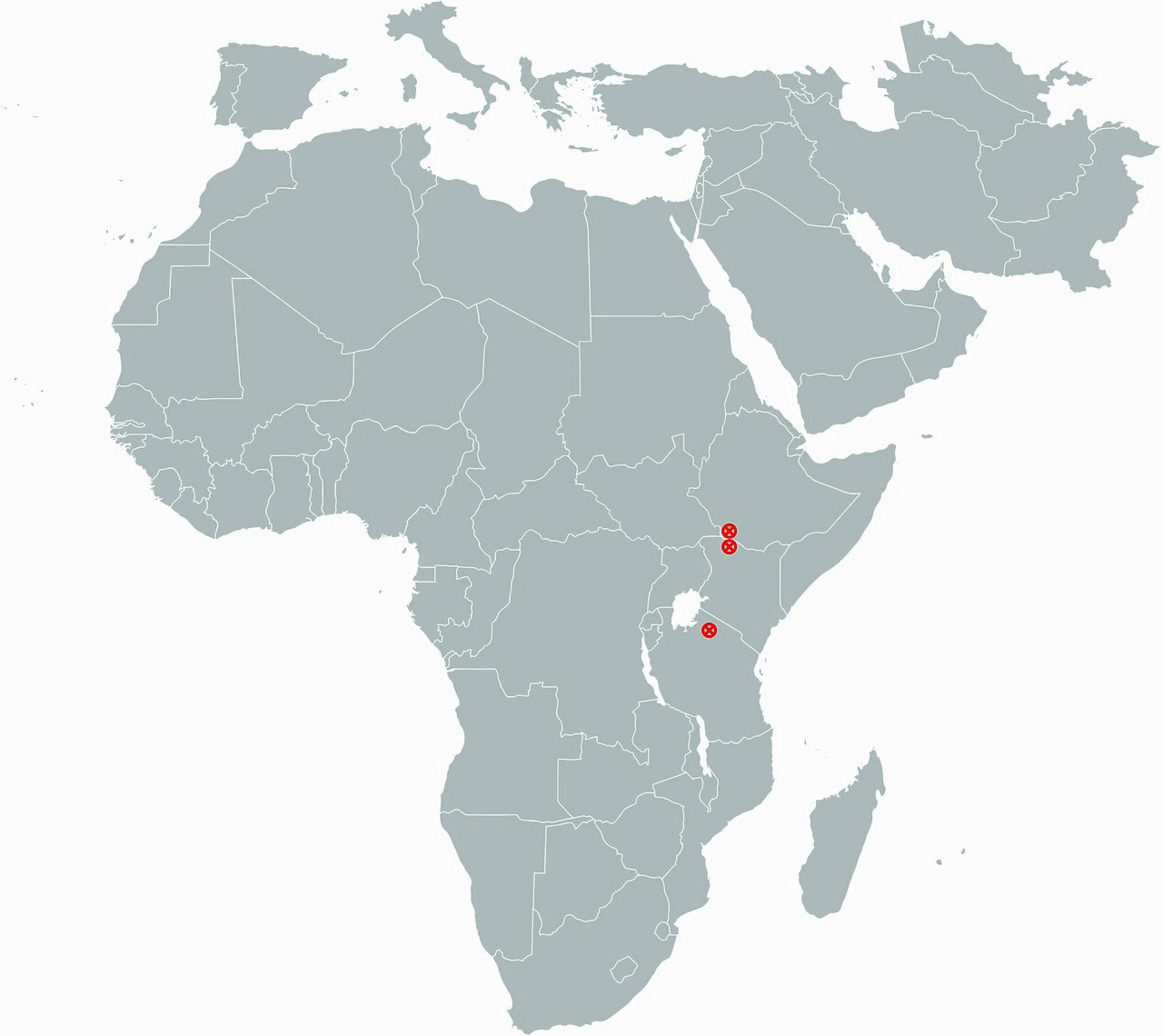
The principal specimen was recovered in 1985 from deposits near Lake Turkana. The fossil locality lies in present‑day Kenya. The skull is called the "Black Skull" because mineral staining, notably from manganese, gives the bone a dark color. Stratigraphic and radiometric studies place KNM-WT 17000 at about 2.5 million years ago.
Paleoecology and diet
Interpretations of diet are based on tooth size, enamel thickness, and microscopic wear patterns. These indicate an ability to process tough, fibrous, or brittle items, though researchers emphasize dietary breadth and seasonal variation rather than an exclusively specialized menu. P. aethiopicus likely lived in mixed environments that included open grassland and gallery forest patches.
Phylogenetic relationships
Researchers group P. aethiopicus with other robust forms such as Paranthropus boisei and Paranthropus robustus. Most interpretations treat the robust taxa as a side branch of hominin evolution specialized for heavy chewing, rather than direct ancestors of modern humans. The species provides a key data point for understanding how ecological pressures produced divergent hominin adaptations in the late Neogene.
Fossil record and significance
KNM-WT 17000 remains the most complete and diagnostically important specimen attributed to this species, but additional fragmentary remains are known. The fossil record of robust australopithecines helps researchers test hypotheses about diet, environmental change, and the timing of divergence between specialized and more gracile hominins.
Research and ongoing debates
Debates continue about the exact relationships among robust taxa, the degree of ecological specialization, and why these forms disappeared. New field discoveries, improved dating, and techniques such as dental microwear and isotopic analysis continue to refine interpretations.
For accessible summaries and specimen data see general species overviews (Paranthropus aethiopicus), regional site reports from Lake Turkana, Kenyan museum catalogues (Kenya), discussions of mineralization processes such as manganese staining, comparative work on robust australopithecines, and broader context in the Pliocene.
Related articles
Author
AlegsaOnline.com Paranthropus aethiopicus — the Black Skull early robust hominin Leandro Alegsa
URL: https://en.alegsaonline.com/art/74572