
Paranthropus boisei — the robust early hominin from East Africa
Paranthropus boisei was a robust australopith that lived in East Africa in the late Pliocene–early Pleistocene. Known for huge molars, a strong jaw and sagittal crest, it was adapted to heavy chewing.
Overview
Paranthropus boisei (originally named Zinjanthropus boisei and long placed as Australopithecus boisei) is a species of robust early hominin known from Eastern Africa. It lived roughly during the late Pliocene into the early Pleistocene, about 2.3 to 1.2 million years ago. P. boisei is usually grouped with other robust australopiths; it is often described as the largest member of the Paranthropus lineage and is frequently referred to in discussions of hominin dietary specialization. For context, it is classified among the australopithecines by many sources (australopithecine), and placed in the robust genus Paranthropus.
Image gallery
10 Images





Anatomy and adaptations
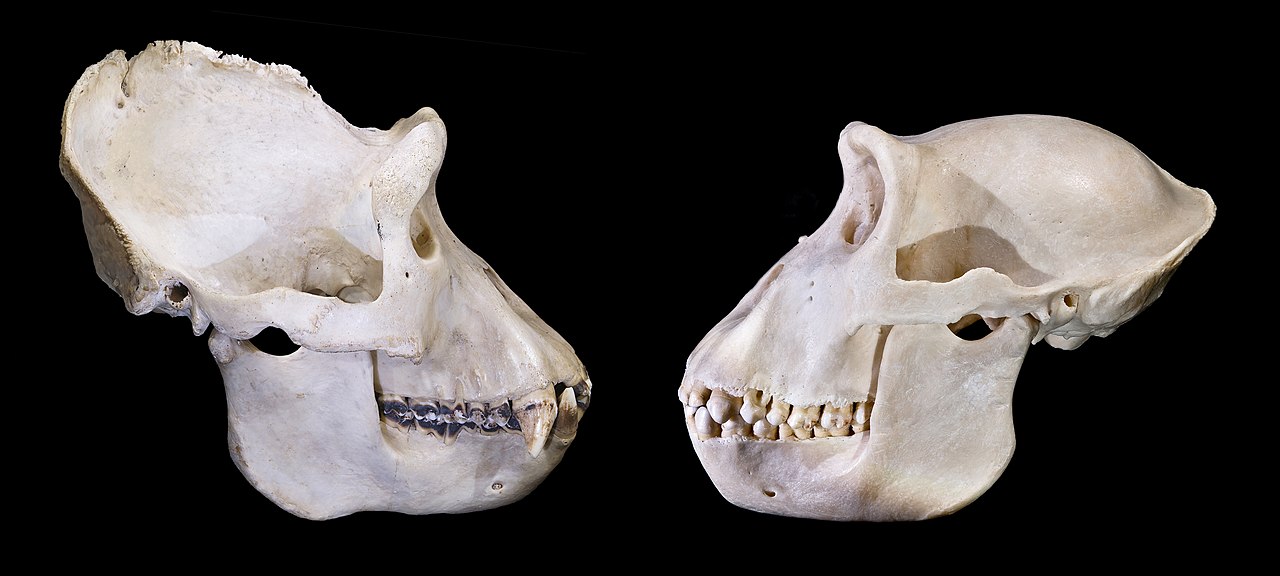
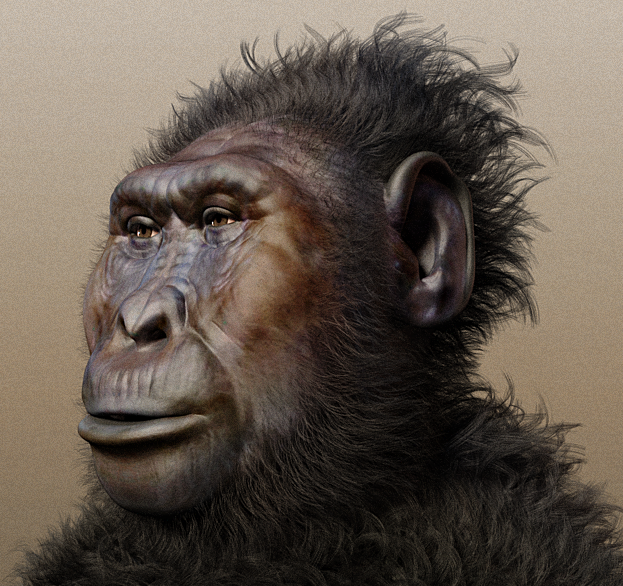
Skull fossils show a very broad face, massive cheekbones, enormous postcanine teeth (large molars and premolars) and a pronounced sagittal crest on males that anchored powerful chewing muscles. Cranial capacity was small relative to later Homo species, on the order of roughly 500–550 cc. Postcranial remains indicate a short, stocky body with pronounced sexual dimorphism; adult males are estimated to have been about 1.2–1.4 m tall (roughly 4–4.6 ft), with females somewhat smaller.
Discovery, naming and classification
The first widely publicized specimen was discovered by Mary Leakey at Olduvai Gorge in 1959 and initially named Zinjanthropus boisei. The species name honors a supporter of excavations, and subsequent finds across East Africa expanded its known range. Over time taxonomists moved the species between Australopithecus and Paranthropus, a debate that reflects differing opinions about how distinct the robust group is from other australopiths. Fossils attributed to P. boisei have been recovered from sites across what is now Tanzania, Kenya and Ethiopia (Eastern Africa).
Diet, ecology and behavior
Many researchers interpret P. boisei as highly adapted for heavy chewing of tough or abrasive foods. Large flat molars, thick enamel and strong jaw musculature suggest consumption of hard or fibrous plant materials. Microwear and isotopic analyses indicate a diet that may have included grasses, sedges and other hard-to-process foods rather than primarily meat. These adaptations imply a specialized ecological niche in environments that changed from wooded to more open landscapes across the late Pliocene and early Pleistocene (Pliocene and Pleistocene epochs).
Significance and open questions
P. boisei is important for understanding hominin diversity and adaptation: it represents a side branch that developed extreme chewing specializations while contemporaneous Homo species pursued different evolutionary paths. Its robust morphology raises questions about why that lineage went extinct, with hypotheses including dietary specialization, climate change and competition with more flexible Homo species. Ongoing discoveries and analyses continue to refine estimates of its age range, behavior and ecological role.
Key characteristics
- Large molars and premolars: adapted for grinding and crushing.
- Sagittal crest: prominent in males for attachment of powerful jaw muscles.
- Small brain volume: modest cranial capacity compared with Homo.
- Geographic range: East African sites such as Olduvai, Koobi Fora and Omo (Paranthropus and related sites).
For further reading and site reports, consult field summaries and research syntheses (australopithecine, Pliocene context, Pleistocene context, regional overviews at East African paleoanthropology portals and genus-level treatments at Paranthropus resources).
Related articles
Author
AlegsaOnline.com Paranthropus boisei — the robust early hominin from East Africa Leandro Alegsa
URL: https://en.alegsaonline.com/art/74573
Sources
- humanorigins.si.edu : humanorigins.si.edu/evidence/human-fossils/species/paranthropus-boisei