
Pantropical spotted dolphin (Stenella attenuata)
A widespread oceanic dolphin found in tropical and warm temperate seas, notable for its spotted coloration, social behavior, and history of bycatch in tuna fisheries and subsequent conservation efforts.
Overview
The pantropical spotted dolphin (Stenella attenuata) is a small-to-medium sized oceanic dolphin known for its distinctive spotted coat that becomes more pronounced with age. It occupies warm temperate and tropical waters across most of the world's oceans and is generally associated with offshore, pelagic habitats. As a gregarious species, it forms large social groups and often associates with schools of tuna.
Image gallery
9 Images


Appearance and biology
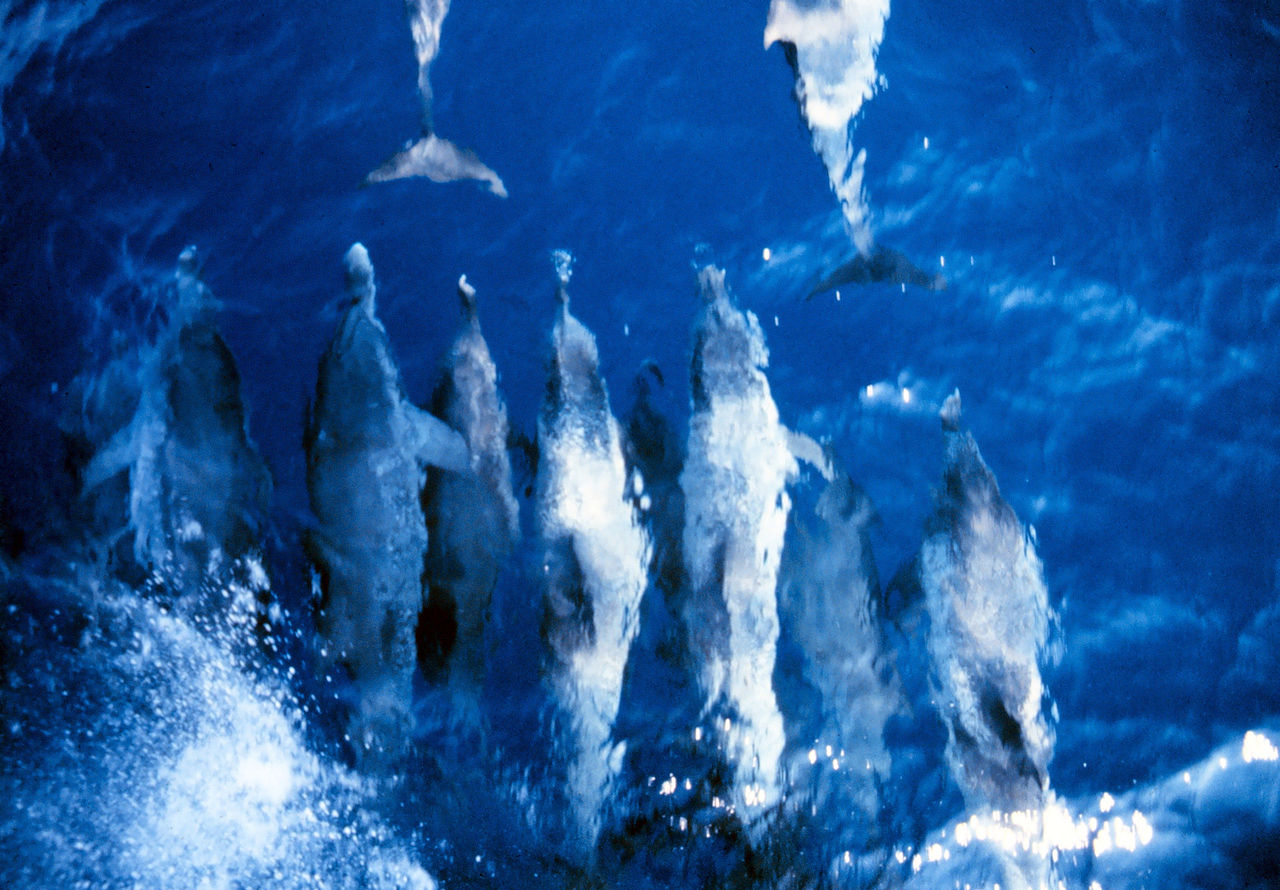
Adults show a gradation of coloration from darker dorsal surfaces to lighter undersides, with a pattern of spots that can vary in density between individuals and populations. Young animals are usually less spotted. Anatomical features include a slender, streamlined body, a pronounced beak, and a curved dorsal fin. Reproduction, feeding and social organization follow the patterns common to many delphinids: internal fertilization, low reproductive rates relative to fish, echolocation for navigation and hunting, and complex social bonds within pods.
Range, habitat and behavior
Pantropical spotted dolphins are truly oceanic, inhabiting offshore waters rather than coastal zones. Their distribution spans tropical and warm-temperate regions in both hemispheres. They feed on a variety of mid-water fishes and cephalopods and frequently travel in large schools that can number from dozens to hundreds of individuals. These dolphins are active and acrobatic at the surface and are known to ride bow waves of vessels.
Threats and conservation history
The species attracted international attention because of large-scale accidental mortality in purse-seine tuna fisheries, where dolphins and tuna often occur together. Beginning in the 1960s–1980s, many dolphins were killed as a consequence of mass encirclement techniques. Public concern and changes in fishing practices led to the development of "dolphin-safe" methods and labeling to reduce bycatch. Modern management includes fishery observer programs, altered fishing techniques, and regulatory measures aimed at minimizing incidental takes.
Human interactions and management
- Incidental catch: bycatch in tuna fisheries was a primary threat historically, prompting consumer-driven and regulatory responses.
- Conservation measures: improved capture techniques, monitoring programs, and international agreements have reduced documented mortality in many areas.
- Research and monitoring: ongoing studies of population structure, migration, and health inform management decisions.
For more general context see resources on marine mammals and fisheries interactions: oceanic dolphins overview, broader accounts of global marine distributions at range and habitat summaries, information about tuna fishing methods and bycatch at fisheries practices, and consumer-labeling or mitigation programs at conservation initiatives.
Distinguishing notes
The pantropical spotted dolphin can be confused with other spotted species, such as the Atlantic spotted dolphin, but differs in range and some aspects of spotting and body proportions. Its oceanic habits contrast with more coastal delphinids, and its conservation story is often cited as an example of how public awareness, industry change and regulation can reduce wildlife bycatch.
Related articles
Author
AlegsaOnline.com Pantropical spotted dolphin (Stenella attenuata) Leandro Alegsa
URL: https://en.alegsaonline.com/art/74403