
Parakeet — small long‑tailed parrots: overview, species, behavior and care
Parakeet is a general term for small to medium parrots with long tails. This article explains common species, appearance, behavior, breeding, captive care and distinctions like budgerigars and conures.
Parakeet is a broad, non‑technical name applied to many small to medium sized members of the parrot family, typically recognizable by their relatively long, tapered tail feathers. The label covers a variety of genera and species rather than a single taxonomic group. In everyday language it can refer to budgerigars (budgies), ring‑necked parakeets, monk parakeets and numerous South American conures and other small parrots. Use of the term varies by region; for example, some birds called parakeets in British English are called conures in the Americas.
Image gallery
5 Images
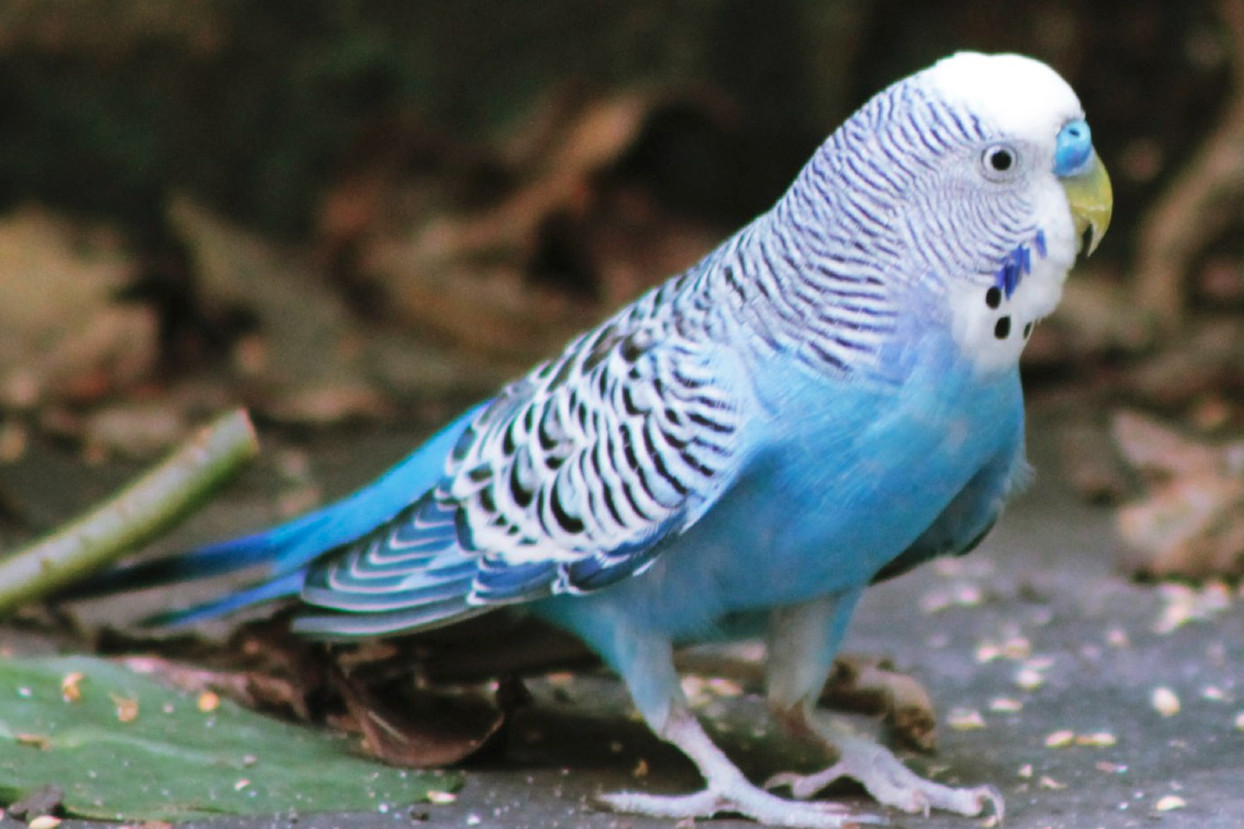


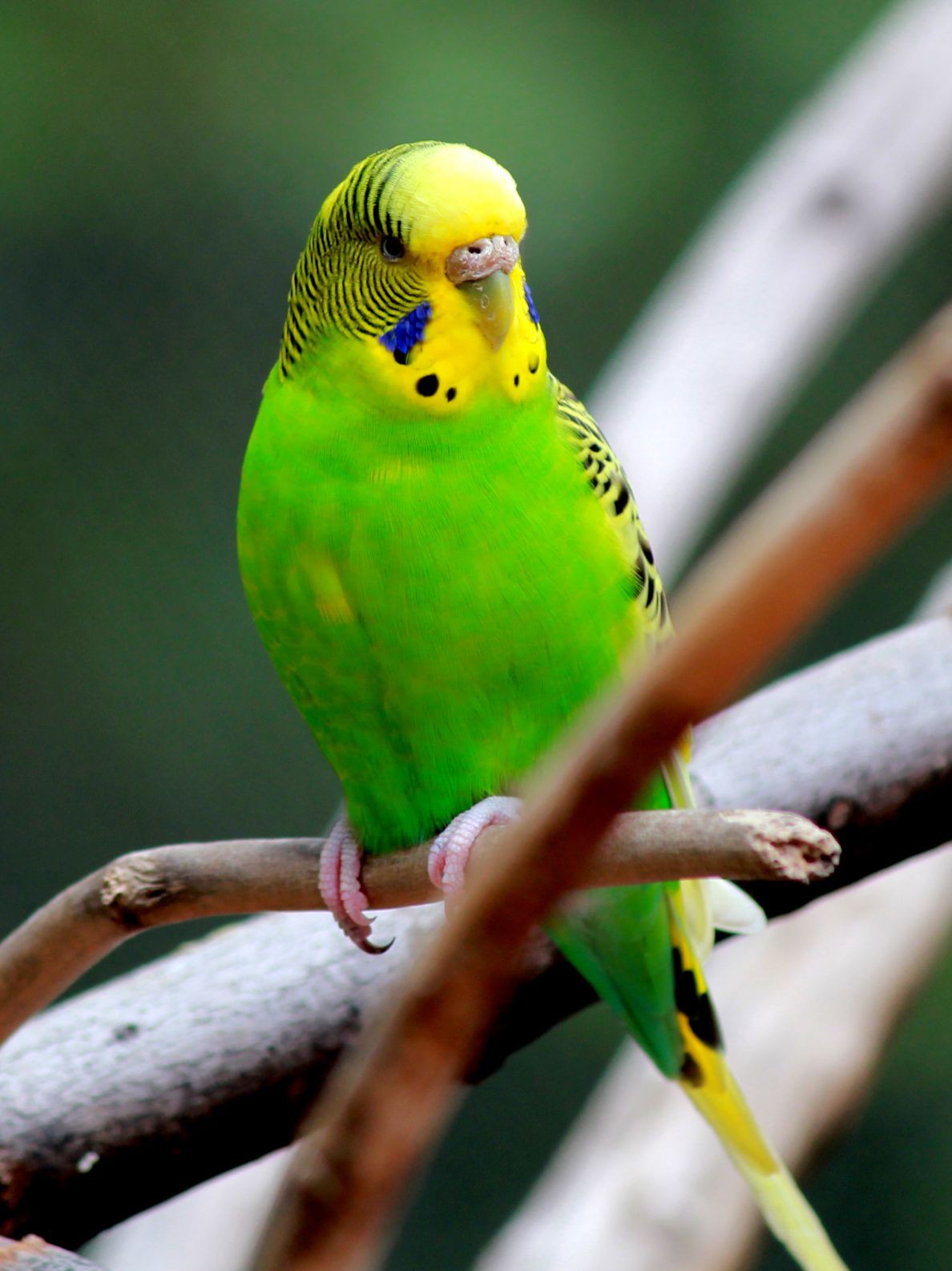
Characteristics and appearance
Most parakeets are slender, agile parrots with bright plumage and a long tail that often equals or exceeds the body length. Size, color patterns and vocalizations differ widely among species. Diets in the wild commonly include seeds, fruits, blossoms and occasionally insects. Social behavior is a hallmark: many parakeet species live in flocks, communicate with calls, and form strong pair bonds during the breeding season.
Common species and distinctions
- Budgerigar (often called "budgie") — a small Australian parakeet widely kept as a pet.
- Ring‑necked (rose‑ringed) parakeet — a medium green species native to parts of Africa and South Asia and now feral in some cities.
- Monk (Quaker) parakeet and several conure species — chiefly from the Americas and popular in aviculture.
- Other small parrots sometimes called parakeets include various parrotlets and lorikeets, though names overlap by region and context.
Breeding and life cycle
Parakeets typically nest in tree cavities or similar sheltered hollows. Clutch size and reproductive timing vary by species; small parakeets often lay a handful of eggs and the chicks are altricial, requiring care in the nest. Breeding may be stimulated by social cues — groups of birds or the presence of conspecifics can encourage pairs to breed. Many hobby breeders prefer controlled pairs to track parentage, while group breeding can increase overall success in some settings.
Parakeets as pets and conservation notes
Several parakeet species are popular companion birds because of their small size, intelligence and ability to learn vocalizations. Care needs include a balanced diet, social interaction, mental enrichment, safe flight space and routine health checks. Lifespan varies by species — small parakeets may live under a decade in captivity while larger types can live much longer with proper care. Conservation status differs across species: some are common and adaptable, others face habitat loss or capture pressure and are subject to protection measures.
For readers seeking more detailed identification guides, husbandry instructions or breeding advice, consult specialist resources such as avian field guides and reputable aviculture sites. Helpful starting points include general references on parrots and targeted articles about individual species or groups: species profiles and care guides often provide the specific information needed for responsible ownership and conservation awareness.
Questions and answers
Q: What is a parakeet?
A: A parakeet is a small to medium sized parrot with long tail feathers.
Q: What is another name for parakeets in America?
A: Conure is another name for parakeets in America.
Q: Do parakeets breed better in groups or pairs?
A: Parakeets breed better in groups, but are usually fine breeding in pairs.
Q: Why is breeding in groups more successful for parakeets?
A: Having other parakeets encourages a pair to breed, which is why breeding in groups is more successful.
Q: Why do some breeders choose to breed parakeets in pairs?
A: Many breeders choose to breed in pairs because that way they know which parents produced any given birds.
Q: How many eggs does a parakeet produce if it lays eggs?
A: If the parakeet does lay eggs, it produces about six to eight.
Q: Is it possible for a parakeet to not lay eggs at all?
A: Yes, it is possible for a parakeet to not lay eggs at all.
Related articles
Author
AlegsaOnline.com Parakeet — small long‑tailed parrots: overview, species, behavior and care Leandro Alegsa
URL: https://en.alegsaonline.com/art/74527