
Papilionoidea: the true butterflies
Papilionoidea is the superfamily that contains the majority of what are commonly called butterflies — their traits, families, life cycle, ecological roles and how they differ from skippers and moth-like groups.
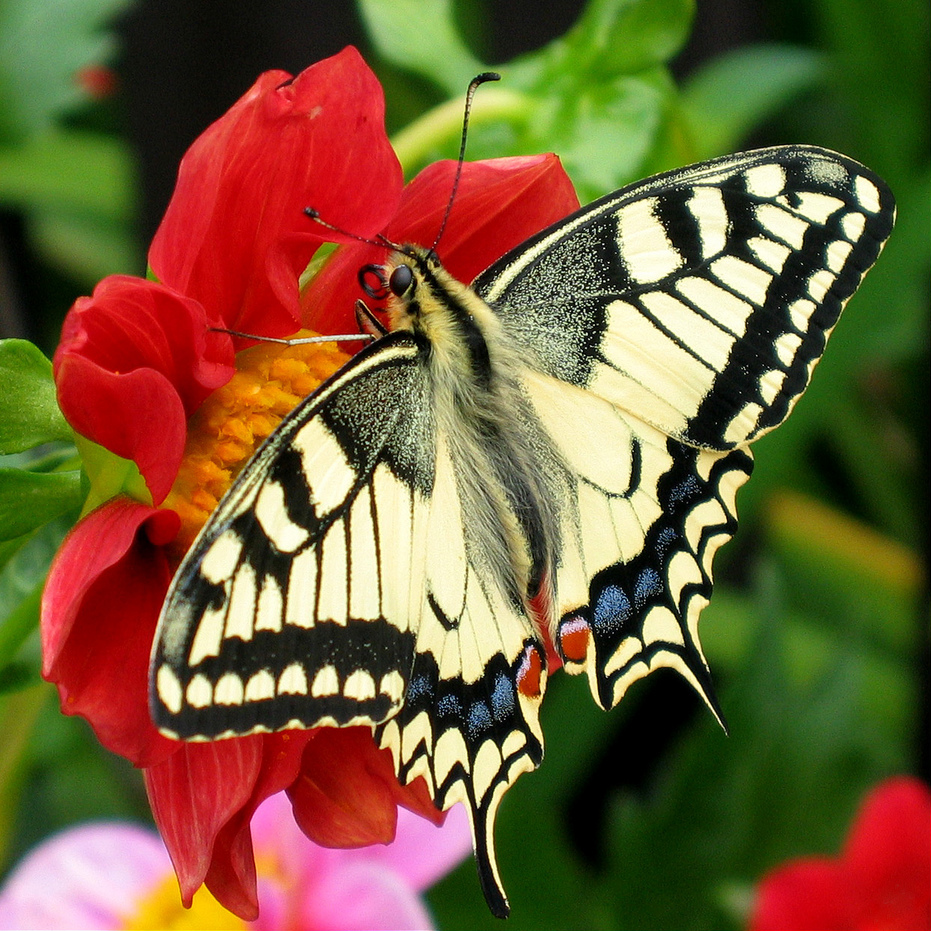
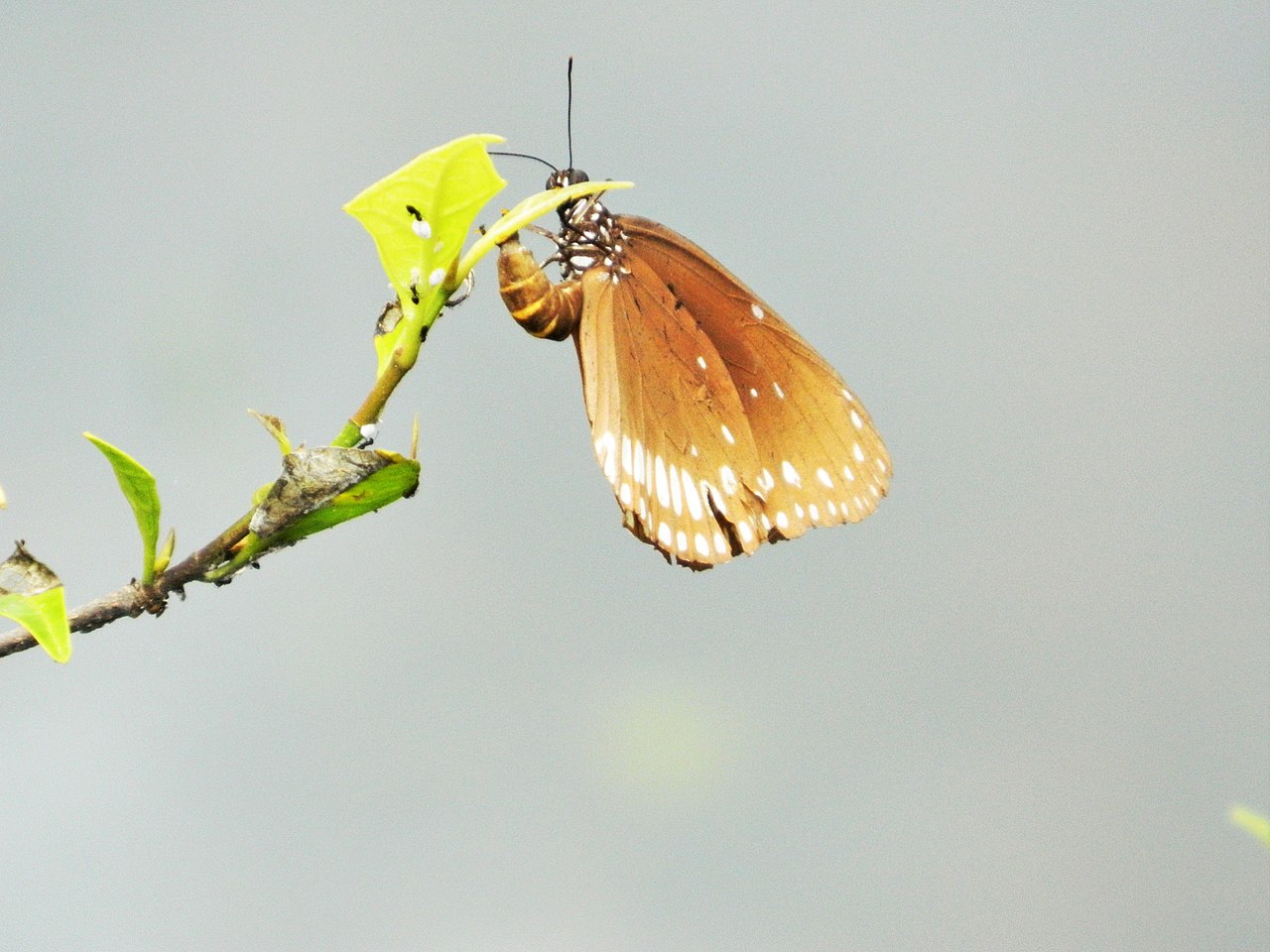
Papilionoidea is the name given to the superfamily that contains the familiar groups normally called "true butterflies." Members of this assemblage are the diurnal, often brightly coloured insects people encounter on flowers and in gardens. In most modern classifications Papilionoidea includes the principal butterfly families such as the swallowtails, whites and sulphurs, brush-footed butterflies, blues and hairstreaks, and the metalmarks.
Image gallery
10 Images



Key characteristics
Adults typically possess clubbed antennae, scaled wings, and a coiled proboscis for feeding on nectar and other liquids. Their life cycle follows complete metamorphosis: egg, caterpillar (larva), chrysalis (pupa) and adult. Many species show well‑developed wing patterns used for signalling, camouflage, or mimicry, and several lineages have close ecological relationships with specific host plants or with ants (notably some Lycaenidae).
Families and diversity
- Papilionidae (swallowtails and birdwings)
- Pieridae (whites and sulphurs)
- Nymphalidae (brush‑footed butterflies)
- Lycaenidae (blues, coppers and hairstreaks)
- Riodinidae (metalmarks, treated as a separate family by many authors)
Together these families account for the bulk of the world's butterflies, numbering roughly on the order of tens of thousands of species distributed across most terrestrial habitats.
Origins and classification
Butterflies are a branch of the order Lepidoptera and evolved from moth-like ancestors. Their diversification is tied to the radiation of flowering plants, with many modern groups arising as plant hosts diversified. Taxonomists separate Papilionoidea from other Lepidoptera groups: the skippers, historically placed near butterflies, are usually treated as a distinct superfamily, Hesperioidea (skippers), while a small set of moth-like, mostly Neotropical species are classified in Hedyloidea.
Ecological and cultural importance
True butterflies serve as pollinators, herbivores (in larval stages) and prey for other animals, and they are widely used as indicators of habitat quality and biodiversity. Classic biological research on mimicry and evolution has often used Papilionoidea species as model organisms. Butterflies also have aesthetic and economic value in ecotourism, education and hobbyist collecting.
Distinguishing from similar groups
Although the term "butterfly" is used loosely, a practical distinction is that Papilionoidea contains the majority of diurnal, club‑antennate butterflies found in everyday settings. For more on terminology and group boundaries see general resources on butterflies.
Related articles
Author
AlegsaOnline.com Papilionoidea: the true butterflies Leandro Alegsa
URL: https://en.alegsaonline.com/art/74454