
Pangaea: the late Paleozoic–early Mesozoic supercontinent
Pangaea was a single global landmass that assembled through plate tectonics in the late Paleozoic, altered climate and biogeography, and began breaking apart in the early Mesozoic to form today's continents.
Overview
Pangaea (also spelled Pangea) refers to the most recent supercontinent that combined almost all of Earth's continental crust into one continuous landmass. It is a fundamental concept in geology and paleogeography because it illustrates how plate tectonic forces can reorganize the planet's surface on timescales of hundreds of millions of years. The name Pangaea means "all Earth" and is commonly used when discussing global-scale changes in climate, ocean circulation and the distribution of plants and animals.
Image gallery
10 Images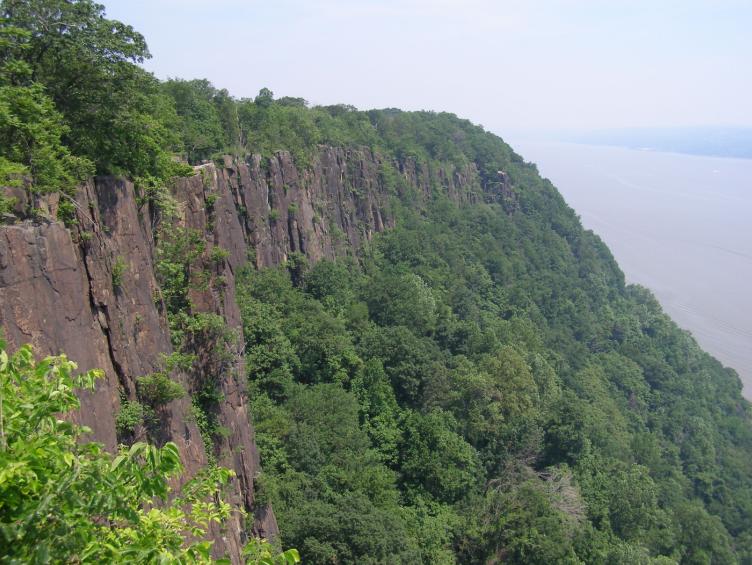


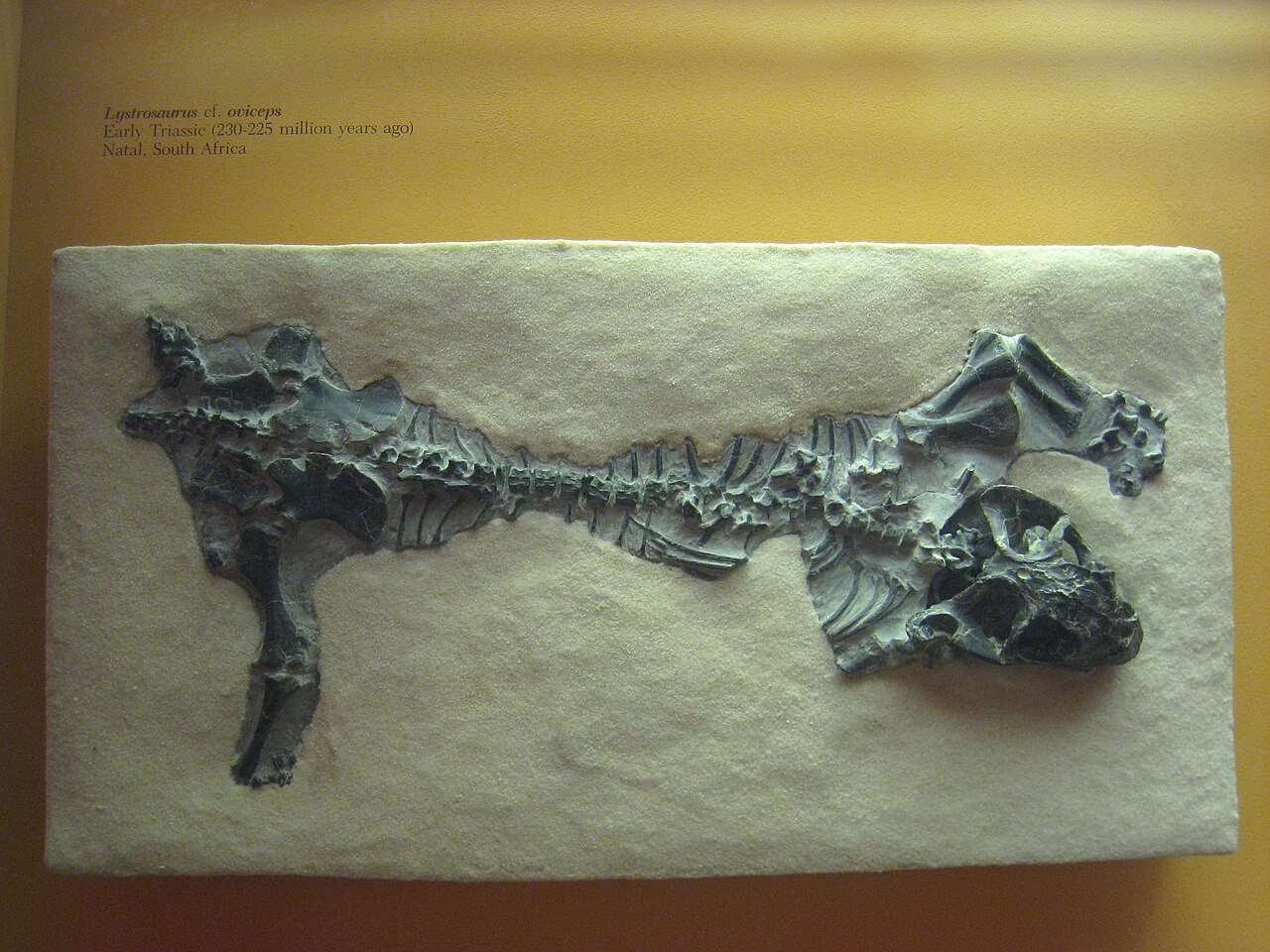


Key characteristics
Pangaea was bounded by a vast ocean called Panthalassa, and its interior likely experienced extreme seasonal climates and aridity because of its great distance from coastlines. Mountain belts such as the Appalachian and Variscan ranges record collisions between continental plates during the assembly of the supercontinent. Plate tectonics drove both the formation and the later fragmentation of Pangaea, creating new ocean basins as continental rifts opened.
Formation and breakup
The assembly of Pangaea occurred during the late Paleozoic as individual continents and terranes collided. These tectonic events took place over many tens of millions of years; geological evidence places the major collisions in the late Carboniferous and Permian periods. By the early Mesozoic the supercontinent began to rift apart. This breakup produced the separate landmasses commonly named Laurasia in the north and Gondwana in the south, and ultimately led to the opening of ocean basins including the Atlantic.
Geological and biological effects
The existence of a single large landmass affected atmospheric and oceanic circulation patterns, which influenced climate zones and rainfall. Pangaea's configuration also shaped the migration and diversification of terrestrial organisms: many groups spread across connected regions, while others were later isolated by fragmentation. Large-scale events such as mountain building and changes in sea level during assembly and breakup have been linked to significant shifts in habitats and extinctions in the fossil record.
Related concepts and notable facts
- Pangaea is one of several supercontinents recognized in Earth's history; older examples include Rodinia and Columbia (also called Nuna).
- The surrounding ocean of Pangaea, Panthalassa, was vast compared with modern oceans and contained relatively few shallow continental shelves.
- When Pangaea split, familiar continental outlines began to emerge; the relative positions of many modern mountain ranges and basins date to these tectonic events.
For visual reconstructions, tectonic explanations and more details on timing, see related resources: paleogeographic maps, plate tectonics overview, geological timelines, fossil distribution studies and oceanographic history.
Related articles
Author
AlegsaOnline.com Pangaea: the late Paleozoic–early Mesozoic supercontinent Leandro Alegsa
URL: https://en.alegsaonline.com/art/74358