
Palaeozoic Era
The Palaeozoic Era (about 541–252 million years ago) witnessed the Cambrian explosion, colonization of land by plants and animals, formation of coal forests and Pangaea, and ended with a major mass extinction.
The Palaeozoic (also spelled Paleozoic) is the earliest of the three eras within the Phanerozoic eon. It began near 541 million years ago and lasted until about 252 million years ago. The name means "early life" and is applied because this interval records the first abundant and diverse marine animals, the first plants and animals to occupy land, and several major changes in global climate and continental arrangement. For a general overview see Palaeozoic and its place in the Phanerozoic.
Image gallery
8 Images




Major periods
The Palaeozoic is conventionally divided into six well‑known geologic periods, each characterized by particular evolutionary and environmental trends:
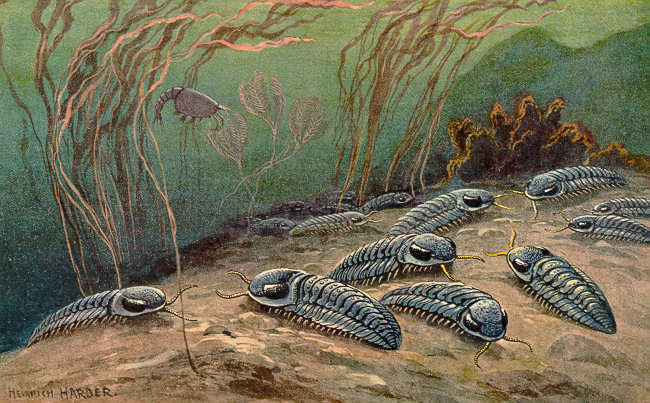
- Cambrian – a rapid increase in the diversity of marine animals, often called the "Cambrian explosion".
- Ordovician – continued diversification of marine life and the first evidence for widespread plankton; ended with a significant glaciation and extinction event.
- Silurian – stabilization of sea levels, reef expansion, and early vascular plants appearing on land.
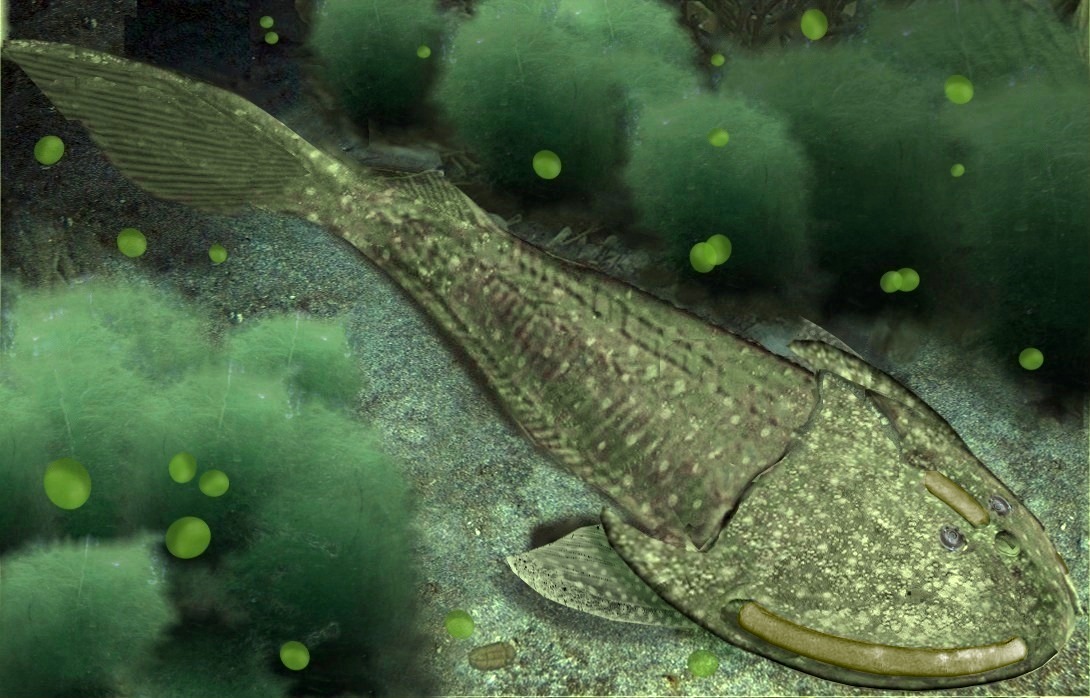
- Devonian – the "age of fishes," with major fish diversification and the earliest tetrapods and forests.
- Carboniferous – extensive swampy forests that produced large coal deposits and the rise of terrestrial arthropods and amniotes.
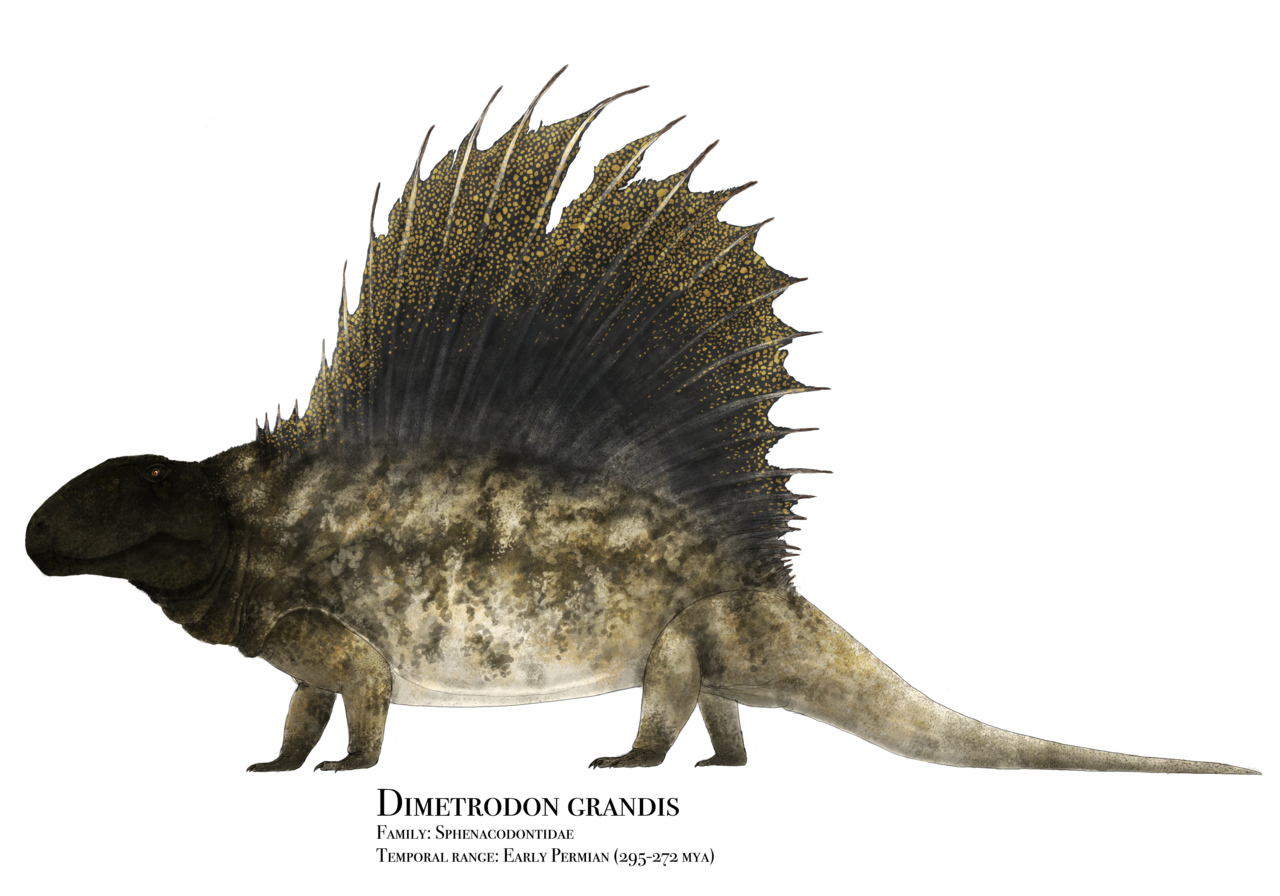
- Permian – the assembly of the supercontinent Pangaea and the close of the era with the largest known mass extinction.
Life and environments
Marine ecosystems dominate the early record: trilobites, brachiopods, molluscs and early echinoderms were common. Over the course of the era, life moved onto land. Simple plants, fungi and arthropods appear first, followed by vascular plants, forests and terrestrial vertebrates. By the late Palaeozoic, complex ecosystems with trees, seed‑bearing plants and fully terrestrial vertebrates—including early reptiles—had become established. These biological advances set the stage for subsequent Mesozoic ecosystems.
Geology, climate and tectonics
Tectonic activity during the Palaeozoic rearranged continents and ocean basins. Several orogenies (mountain‑building events) and the progressive collision of landmasses contributed to the formation of the supercontinent Pangaea by the end of the Permian. Climate varied from warm greenhouse intervals to episodes of cooling and glaciation, particularly affecting southern continents. Extensive peat swamps in the Carboniferous were later transformed into major coal seams that are economically important today.
Extinctions and legacy
The era contains multiple extinction events of varying magnitude. The terminal Permian extinction, often called the Permian–Triassic extinction, was the most severe in Earth history and marks the end of the Palaeozoic; for more detail see Permian–Triassic extinction. The biological turnover across these crises reshaped ecosystems and influenced which groups dominated in the Mesozoic.
Notable facts
- The Palaeozoic saw the first hard skeletons and abundant fossil record that allow detailed study of early animal evolution.
- Many modern groups (insects, amphibians, reptiles, seed plants) have their roots in this era.
- Coal and other fossil resources formed from Palaeozoic vegetation are economically and historically significant.
Because of its duration and the dramatic biological and geological changes it records, the Palaeozoic is a central focus for studies of evolution, paleoclimate, and plate tectonics.
Questions and answers
Q: What is the Palaeozoic era?
A: The Palaeozoic era is the earliest of the three eras of the Phanerozoic. It lasted from about 541 to 252 million years ago (mya).
Q: What does its name mean?
A: Its name means "early life".
Q: How long did it last?
A: It lasted from about 541 to 252 million years ago (mya).
Q: When did it end?
A: It ended with the greatest extinction event, the Permian–Triassic extinction event.
Q: What was the greatest extinction event during this period?
A: The greatest extinction event during this period was the Permian–Triassic extinction event.
Q: How many eras are there in Phanerozoic?
A: There are three eras in Phanerozoic.
Related articles
Author
AlegsaOnline.com Palaeozoic Era Leandro Alegsa
URL: https://en.alegsaonline.com/art/74125