
Panjgur District — geography, society, history and significance
Panjgur District is a sparsely populated district in western Balochistan, Pakistan, known for its arid landscapes, irrigated oases, Balochi culture and cross‑border connections with neighbouring Iran.
Overview
Panjgur District is an administrative district in the far west of the Pakistani province of Balochistan. The district takes its name from the principal town of Panjgur, which serves as the local administrative and market centre. Its remote setting places it among the western fringes of Pakistan, with historic connections across what is today the Iran–Pakistan frontier.
Image gallery
2 Images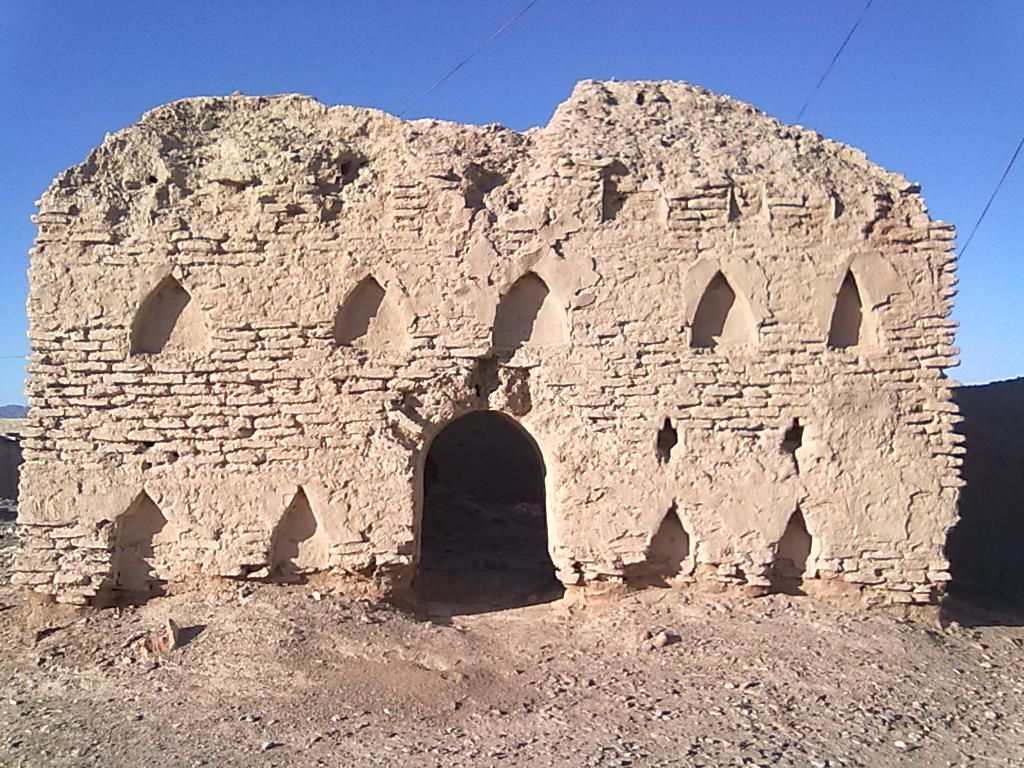

Geography and climate
Panjgur's landscape combines arid plains, mountain ranges and narrow river valleys. Rainfall is scarce and temperatures can be extreme; most of the cultivable land is found in oases and along seasonal streams where irrigation permits agriculture. The district's location on western approaches gives it ecological and strategic significance within the region.
Economy and livelihoods
The local economy is dominated by smallholder agriculture, livestock rearing and seasonal trade. Date cultivation, small-scale orchards and vegetable plots in irrigated areas are important sources of income and food. Remittances, local markets and cross‑border trade also play a role in household economies.
Society, culture and language
Panjgur is largely inhabited by Baloch communities whose social life is organized around tribal and kinship networks. Balochi languages and dialects are widely spoken, and traditional crafts, music and dress remain part of daily life. Cultural ties extend across the nearby international border, reflecting long-standing patterns of movement and exchange.
Administration, history and significance
Administratively the area is governed from the district headquarters and is divided into local subunits such as tehsils and councils for municipal and rural management. Historically the region formed part of the broader Makran and southern Baluchistan landscape traversed by caravan routes and coastal trade. Today Panjgur's significance derives from its role as a regional market centre, its agricultural oases and its position near international frontiers.
Notable features and distinctions
- Strategic western location close to the Iran border and long cultural links with neighbouring provinces and countries.
- Economy focused on oasis agriculture (notably dates), livestock and small-scale commerce.
- Strong presence of Balochi language, tribal structures and traditional arts.
- Administrative identity as Panjgur District within the province of Balochistan in Pakistan.
Related articles
Author
AlegsaOnline.com Panjgur District — geography, society, history and significance Leandro Alegsa
URL: https://en.alegsaonline.com/art/74373