
Pando Department (Bolivia)
Pando is a remote, sparsely populated Amazonian department of Bolivia with capital Cobija; noted for rainforest, Brazil-nut and timber economy, low population density and conservation challenges.
Overview
Pando is a department in the northern Amazonian region of Bolivia. It is one of the country's least populated and most sparsely settled departments. The administrative capital and largest town is Cobija, which functions as the main commercial and political center for the region.
Image gallery
8 Images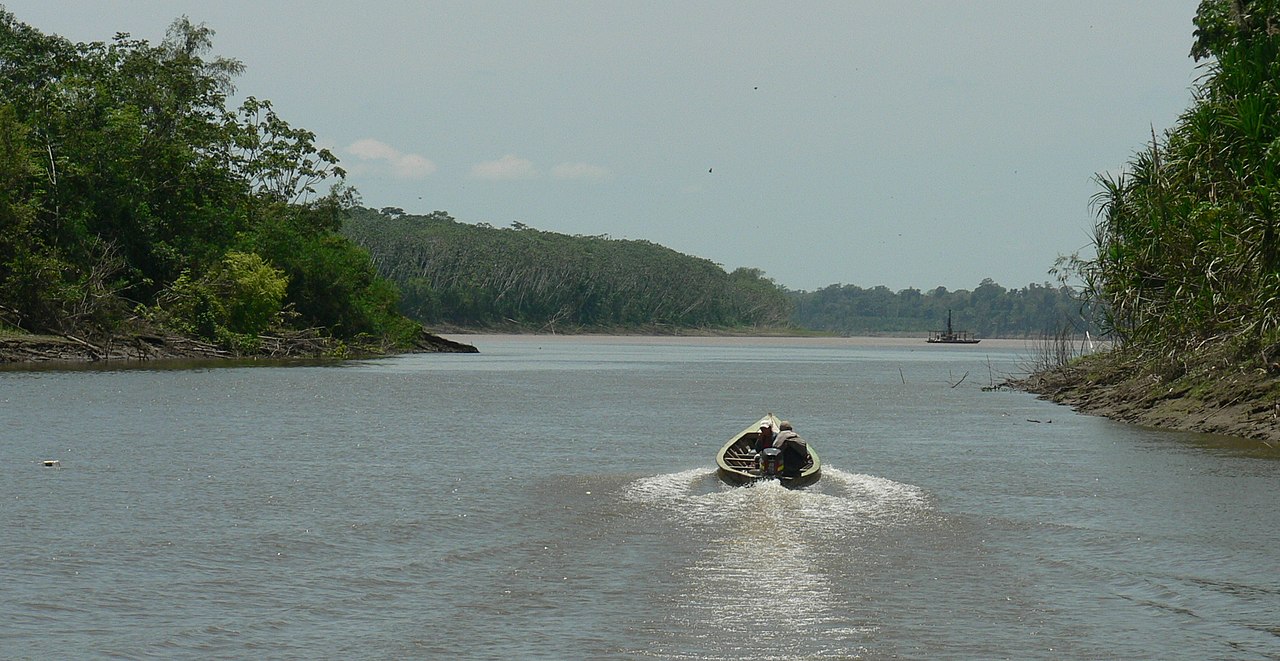


Geography and environment
Pando lies within the Amazon Basin and is characterised by tropical rainforest, rivers and seasonally flooded plains. The landscape supports high biological diversity and extensive forest cover. The department's remoteness has historically limited road infrastructure, making river transport and small-aircraft connections important for movement of people and goods.
History and name
The department is named after a prominent Bolivian leader, reflecting its ties to national history. Its development has been influenced by extractive economies such as rubber and later by the Brazil-nut and timber trades. Settlement patterns and frontier expansion altered its social and ecological fabric over the 20th century.
Economy and population
Pando has a low population density compared with other Bolivian departments. Economic activity is centred on agriculture, cattle ranching, forestry and non-timber forest products such as Brazil nuts. Small towns and indigenous communities contribute to a mixed subsistence and market economy.
Conservation and challenges
The department faces environmental pressures common in Amazonian frontiers: deforestation for cattle and crops, illegal logging and the need to balance economic development with conservation. Protected areas and sustainable-use initiatives exist but enforcement and resources are often limited. Pando's remote character and cross-border ties shape its social, economic and environmental dynamics.
Quick facts
Related articles
Author
AlegsaOnline.com Pando Department (Bolivia) Leandro Alegsa
URL: https://en.alegsaonline.com/art/74343
Sources
- cia.gov : "The World Factbook"
- tools.wmflabs.org : 11°11′S 67°11′W / 11.183°S 67.183°W / -11.183; -67.183