
Hikikomori: prolonged social withdrawal and its social context
Hikikomori describes prolonged social withdrawal first identified in Japan. This article explains its definitions, characteristics, history, causes, social impact, and typical approaches to support and recovery.
Hikikomori is a Japanese term used to describe people who withdraw from social life and confine themselves to their homes for extended periods. The phrase became widely discussed after clinical psychiatrist Tamaki Saitō used it in the 1990s and published a detailed study in 1998. His work was later made available in English as an annotated translation by Jeffrey Angles; more background is available in writings that track the concept's development and public response. The term is often invoked for individuals who avoid work, school and social contact for months or years and whose isolation affects family life and community participation.
Image gallery
4 Images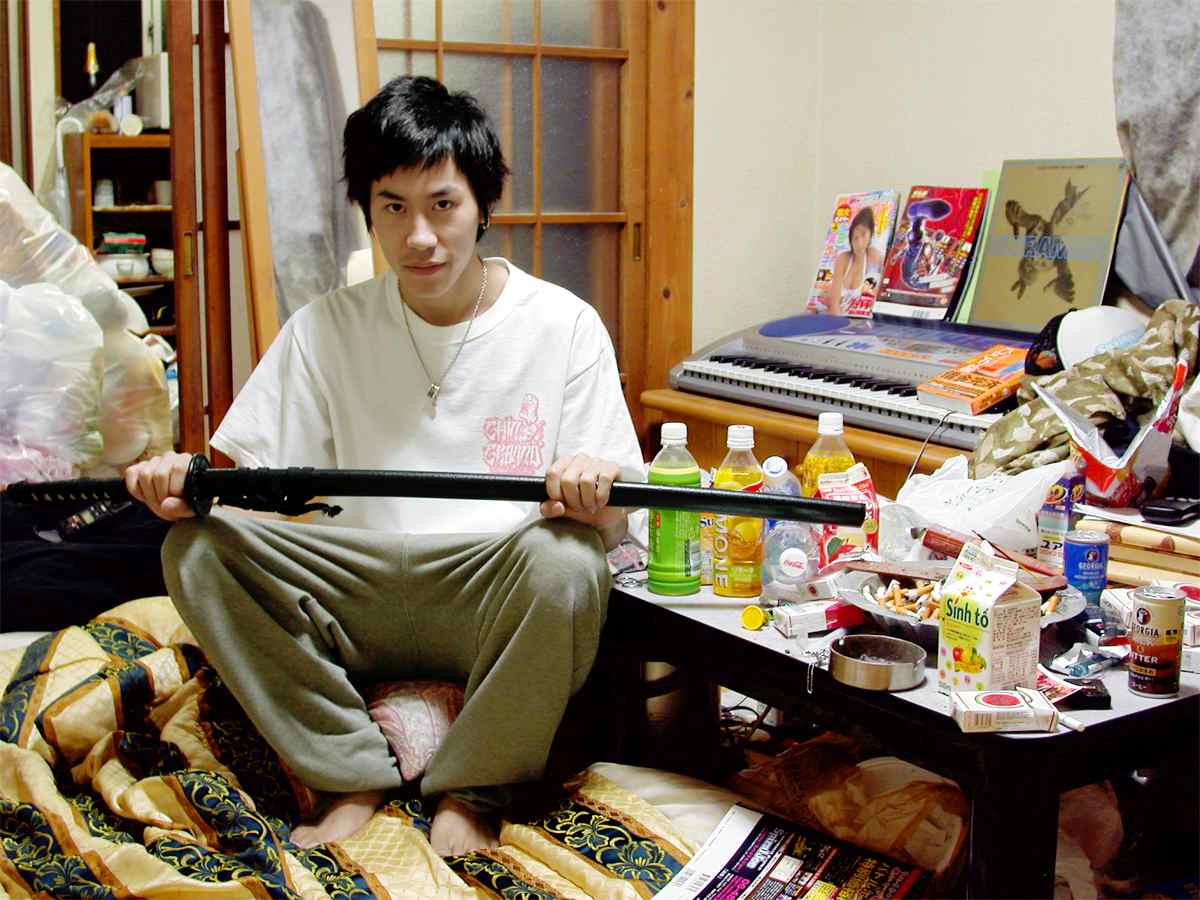


Definition and typical patterns
Official definitions vary, but a commonly cited threshold is remaining at home and avoiding regular social interaction for six months or longer. Many people described as hikikomori share features such as:
- Minimal or no attendance at school or employment.
- Very limited face-to-face contact outside the household.
- Extensive use of the internet, gaming or online communication as a substitute for in-person relationships.
- Dependence on family members for financial or daily living support.
- A gradual onset that can begin in adolescence but persist into adulthood.
Causes and contributing factors
Hikikomori is best understood as a complex phenomenon with social, psychological and economic components. Contributing factors reported by clinicians and researchers include intense academic and workplace pressure, difficulties in social adaptation, bullying or failure at school, and anxiety or depressive disorders. Family dynamics — including overprotective parenting, high expectations, or conflict about independence — can also influence the development and persistence of withdrawal. The pattern overlaps with but is not identical to clinical anxiety disorders such as agoraphobia; it is frequently described alongside the related Japanese category of school refusal, known as futōko.
History, scope and international attention
The word gained prominence through Saitō's 1998 study and subsequent public debate in Japan. National surveys and health agencies have attempted to estimate prevalence; one widely reported figure from the early 2010s suggested several hundred thousand people in Japan met common criteria, with an average age in the early thirties for long-term cases. Some experts have proposed that the number could be larger, while others caution estimates depend on definitions and survey methods. In recent years, scholars and clinicians in other countries have examined comparable patterns of long-term withdrawal, prompting international research and cross-cultural discussion.
Responses, support and interventions
Efforts to help people who have withdrawn range from grassroots community projects to government-funded outreach. Interventions commonly include home visits by mental health workers, family counseling, cognitive-behavioral therapy adapted for social anxiety, gradual re-engagement programs focused on skills and routine, and peer support networks. Some private services offer mediated contact such as "rental" family members or coaches who help rebuild daily structure. Success often depends on addressing both individual mental health needs and the social or economic obstacles to returning to education or employment.
Distinctions and notable points
Hikikomori is often compared with terms like "recluse" or "agoraphobic," but it is a distinct social phenomenon that sits at the intersection of psychiatry, sociology and cultural studies. It can be temporary or long-term and may coexist with diagnosable psychiatric conditions, yet many professionals emphasize treating the situation as a social problem as well as a health issue. For readers seeking further reading on the original Japanese usage, see discussions of the term as a Japanese word, analyses of social withdrawal and isolation at secondary sources, and an English translation of foundational work listed under key translations.
Related articles
Author
AlegsaOnline.com Hikikomori: prolonged social withdrawal and its social context Leandro Alegsa
URL: https://en.alegsaonline.com/art/44180