
Osteoporosis — causes, symptoms, diagnosis, prevention and treatment
Overview of osteoporosis: what it is, causes and risk factors, common symptoms, how it is diagnosed, prevention strategies, treatment options and public-health impact.
Overview
Osteoporosis is a condition in which bones become less dense and more fragile, increasing the risk of fractures from low-energy events. It results from an imbalance in normal bone remodeling: bone resorption outpaces bone formation. The disorder is often silent until a fracture occurs, so awareness of risk factors and appropriate screening are important.
Image gallery
10 Images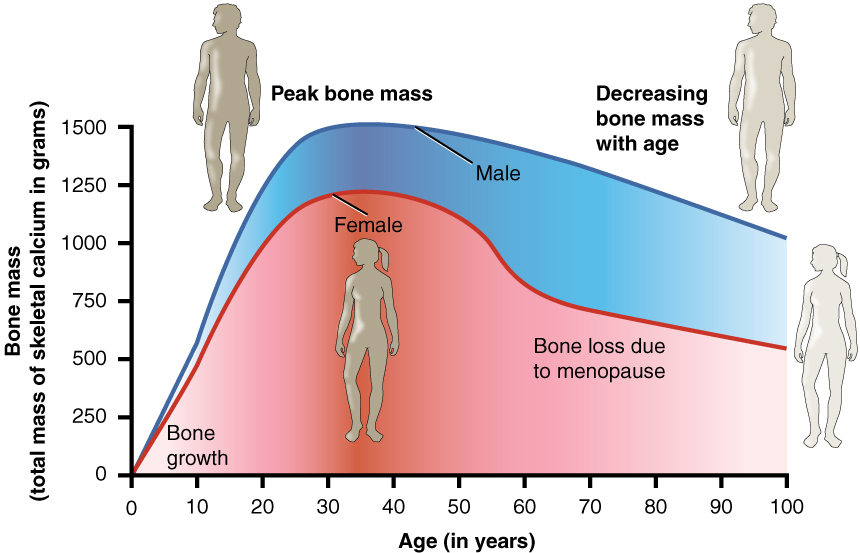




Types and causes
Commonly described types include primary (postmenopausal and age-related or "senile") osteoporosis and secondary osteoporosis that arises because of another medical condition or medication. Loss of sex hormones (for example after menopause), advancing age, and genetic factors influence peak bone mass and the rate of subsequent loss. Some medical conditions (endocrine disorders, malabsorption, chronic inflammatory disease) and long-term use of certain drugs (notably glucocorticoids) can cause secondary osteoporosis.
How bone changes
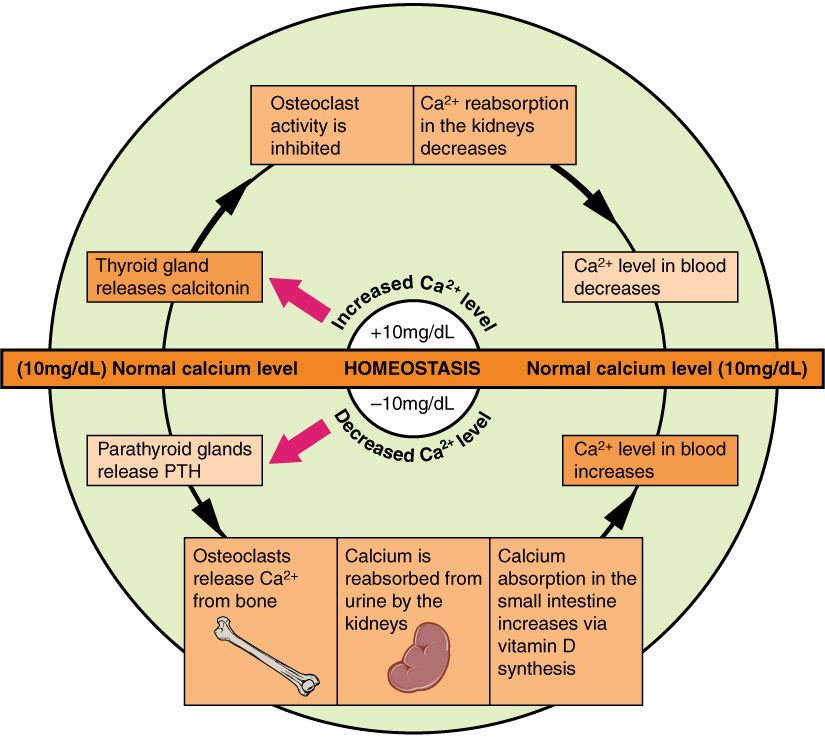
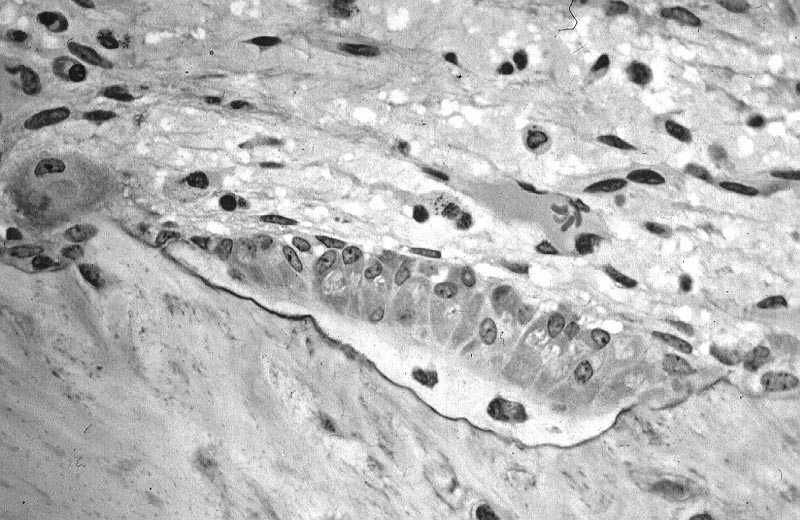
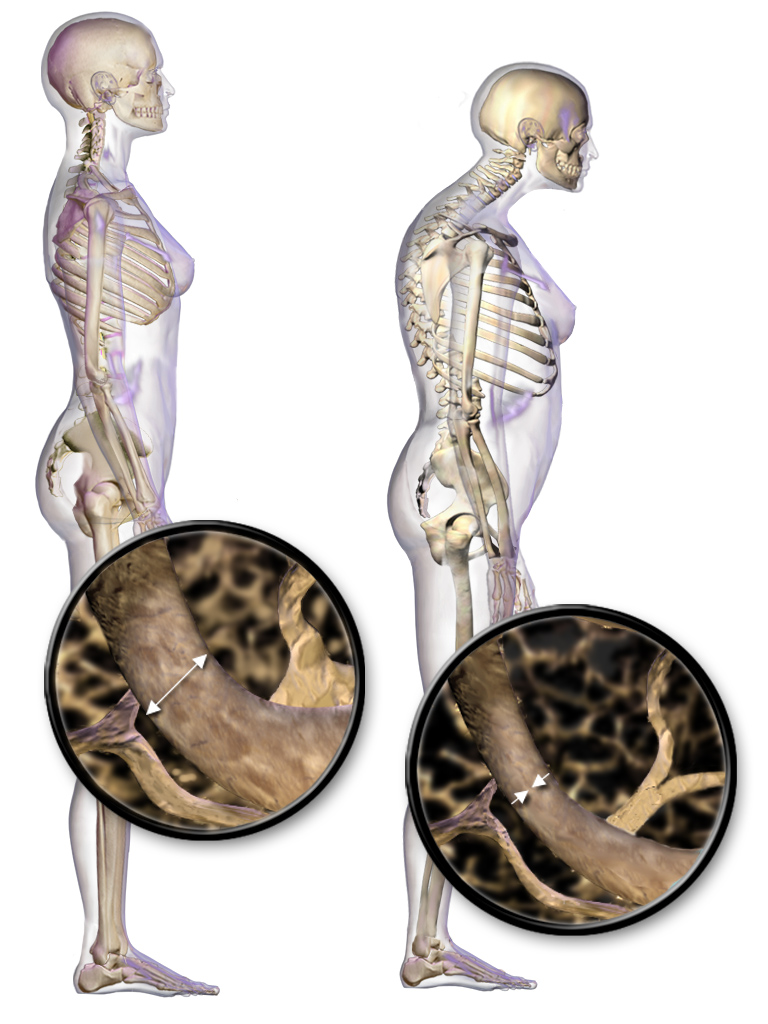
Bone is living tissue made of mineralized matrix and a supporting cellular scaffold. With age and adverse influences the mineral content declines and the microscopic structure becomes thinner and more porous. Nutritional factors such as insufficient calcium and inadequate vitamin D impair mineralization. Lifestyle factors and hormones determine how rapidly bone is lost. Fragile vertebrae can collapse, producing back pain and loss of height; hip fractures are associated with major disability.
Risk factors
- Nonmodifiable: older age, female sex (notably after menopause), family history, small body size.
- Endocrine and chronic conditions: low sex hormones, hyperthyroidism, some gastrointestinal diseases, chronic inflammatory disorders and prolonged corticosteroid therapy.
- Lifestyle and diet: inadequate calcium and vitamin D, physical inactivity, tobacco use, excessive alcohol, high caffeine intake and diets very high in salt that raise urinary calcium loss.
Symptoms and complications
Osteoporosis itself usually causes no early symptoms. The first sign may be a fracture after a fall or even after minor trauma. Common fracture sites are the spine, hip and wrist. Vertebral fractures can cause acute or chronic back pain, reduced mobility and kyphotic (stooped) posture. Hip fractures are serious events that often lead to loss of independence in older adults.
Diagnosis and screening
Risk assessment begins with a clinical history and physical examination. Bone mineral density (BMD) is commonly measured by dual-energy X-ray absorptiometry (DXA). Results are reported as T-scores; a T-score at or below −2.5 is widely used to define osteoporosis. Additional imaging and laboratory tests help identify secondary causes and inform treatment choices.
Prevention
Prevention aims to build and preserve bone strength throughout life. Key measures include a balanced diet with adequate calcium and sufficient vitamin D, regular weight-bearing and muscle-strengthening exercise, tobacco avoidance and moderation of alcohol and caffeine. Fall prevention at home and in the community is also important for people at risk.
Treatment
There is no single cure, but effective treatments reduce fracture risk. Lifestyle interventions remain foundational. Where fracture risk is elevated, clinicians may prescribe medications that slow bone loss or stimulate new bone formation. Common drug classes include bisphosphonates, RANK-ligand inhibitors (for example denosumab), selective estrogen receptor modulators and anabolic agents (such as parathyroid hormone analogues); newer therapies are also available. Therapy choice, duration and monitoring depend on individual risk factors, comorbidities and treatment response.
Special considerations
Men, younger adults with secondary causes, and people receiving long-term glucocorticoids require tailored assessment and management. Nutrition, exercise and correction of treatable contributors (for example vitamin D deficiency, malabsorption or hormonal disorders) are essential parts of care.
Public-health impact and prognosis
Osteoporosis is an important contributor to morbidity in older populations because fractures can cause chronic pain, disability and increased mortality, particularly after hip fracture. Some estimates suggest tens of millions of people are affected across regions including the United States, Europe and Japan. Early attention to risk factors and appropriate screening can reduce fracture rates and preserve quality of life.
For further patient-oriented summaries and clinical resources see links on bone health and fracture prevention: bone structure and health, spinal fractures, and other educational materials provided by trusted health organizations.
Related articles
Author
AlegsaOnline.com Osteoporosis — causes, symptoms, diagnosis, prevention and treatment Leandro Alegsa
URL: https://en.alegsaonline.com/art/73425
Sources
- health.google.com : "Google Health - Osteoporosis"
- mayoclinic.org : "Osteoporosis Risk factors"