
Organisation for the Prohibition of Chemical Weapons (OPCW)
The OPCW is the independent international organisation implementing the Chemical Weapons Convention, overseeing destruction and verification of chemical weapons, providing assistance and promoting peaceful chemical use.
Overview
The Organisation for the Prohibition of Chemical Weapons (OPCW) is an independent international organisation created to put into practice the obligations of the Chemical Weapons Convention (CWC). Headquartered in The Hague, Netherlands, the OPCW coordinates global efforts to eliminate chemical weapons, reduce the risk of chemical incidents, and encourage the safe, peaceful application of chemistry. The body was established when the CWC entered into force and has since become the principal institution for implementation, verification and assistance related to chemical weapons.
Image gallery
5 Images

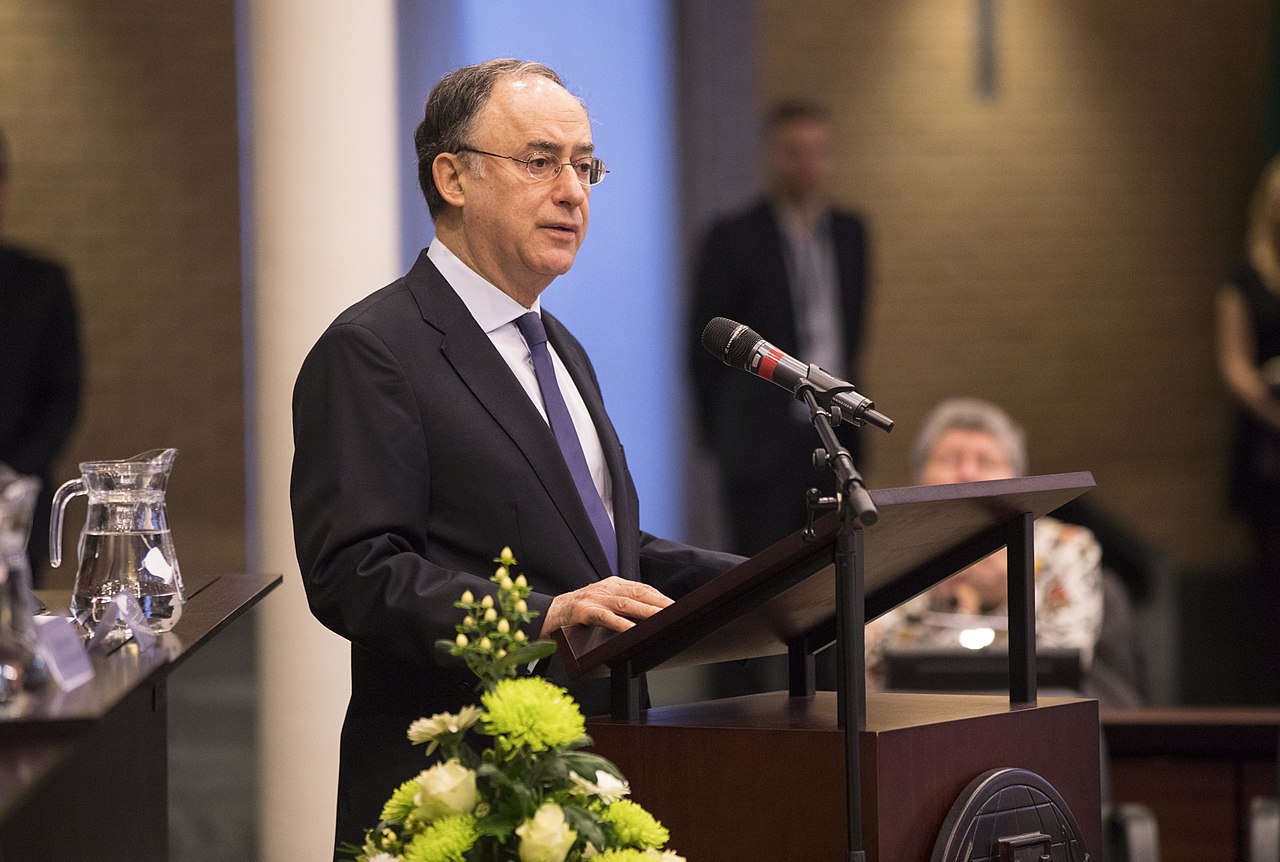


Functions and activities
The OPCW carries out a mix of technical, diplomatic and operational tasks. Its principal activities include:
- Verification of state declarations and routine inspections of chemical industry facilities and destruction sites.
- Overseeing the destruction or conversion of declared chemical weapon stockpiles and production facilities.
- Investigating allegations of chemical weapons use and supporting fact-finding arrangements in cooperation with other international bodies.
- Providing assistance, protection and capacity-building to states affected by chemical incidents, including medical and emergency response guidance.
- Promoting international cooperation in peaceful chemical technologies and strengthening chemical safety and security.
Structure and governance
Decision-making rests with member states assembled in regular policy forums, supported by an Executive Council that guides implementation between meetings. A Technical Secretariat of scientific and inspection staff carries out day-to-day verification, assistance and outreach work under the leadership of a Director-General. The OPCW publishes declarations, inspection reports and annual summaries to maintain transparency among its parties.
History and notable work
Since beginning operations in the late 1990s the organisation has overseen the destruction of large declared chemical arsenals and helped states meet CWC obligations. It has also worked with the United Nations and member states on investigations and the removal or destruction of chemical agents when allegations of use have arisen, and in recognition of these efforts received the Nobel Peace Prize in 2013.
Importance and challenges
The OPCW plays a central role in reducing the threat from chemical weapons and fostering responsible use of chemistry. Challenges include achieving universal membership, addressing clandestine programmes, keeping pace with emerging chemical technologies and ensuring impartial investigations in politically sensitive cases. Continued international support and technical capacity are essential for the OPCW to fulfil its mandate.
Related articles
Author
AlegsaOnline.com Organisation for the Prohibition of Chemical Weapons (OPCW) Leandro Alegsa
URL: https://en.alegsaonline.com/art/73097
Sources
- telegraph.co.uk : The Telegraph, Friday 11 October 2013