
Organisation internationale de la Francophonie (OIF)
Intergovernmental organisation that brings together states and governments tied by the French language and shared cultural, educational and political cooperation.
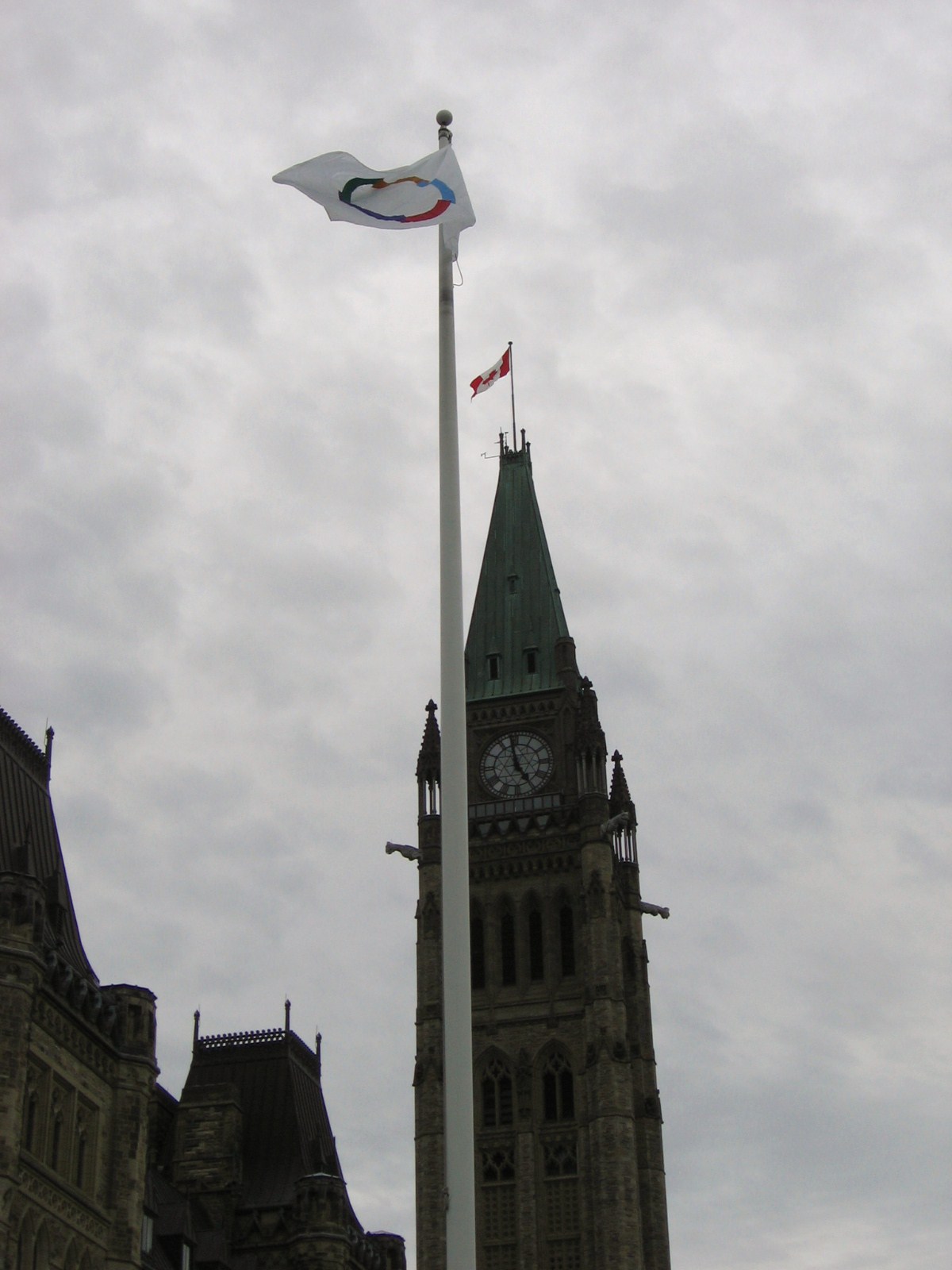
The Organisation internationale de la Francophonie (often abbreviated OIF) is an international body that groups states and governments bound by the use of the French language and by a commitment to cooperation in cultural, educational, linguistic and political fields. It is best understood as a network for promoting linguistic diversity and common values rather than a supranational political union: members vary from countries where French is the majority language to states that maintain French for historical, diplomatic or cultural reasons.
Image gallery
6 Images


History and origins
The idea of a francophone community predates the modern institution: the word "Francophonie" was coined in the 19th century by the geographer Onésime Reclus to describe French-speaking peoples and territories. The institutional roots of today’s organisation go back to a cultural cooperation agency created in 1970; over subsequent decades that framework evolved, broadened and became a formal international organisation to coordinate policies, programs and summits among francophone states and governments.
Structure and membership
Membership is organised in several categories: full member states and governments, associate members and observers. Membership criteria combine linguistic considerations—encouraging the use of French—with political will to cooperate on issues such as education, culture and governance. The OIF has regular multilateral meetings, including ministerial councils and periodic summits of heads of state and government; a permanent secretariat implements agreed programs and maintains partnerships with specialised agencies and local institutions.
Aims and key activities
The organisation pursues a range of objectives that include protecting and promoting the French language, supporting cultural diversity, strengthening democratic governance and human rights, and fostering sustainable development. Its work spans diplomacy, education, media and economic cooperation. Typical activities include teacher training and curriculum support, legal and institutional assistance, electoral observation missions, scholarship programmes, and cultural exchanges.
- Promotion of French-language education and teacher training
- Support for cultural industries and media in francophone communities
- Programs for youth, higher education and scientific cooperation
- Projects in governance, rule of law and human rights monitoring
Importance and notable facts
The OIF plays a unique role as a multilingual and multicultural forum that links nations across Africa, Europe, the Americas and the Asia-Pacific region. It has been used both as a platform for soft diplomacy and as an instrument for concrete development assistance. The organisation’s purpose is sometimes summed up by its guiding formula and values; its motto is commonly expressed as "equality, complementarity and solidarity". While the network is centered on a shared language, membership reflects diverse political, economic and cultural realities rather than uniform levels of francophone use.
Because membership mixes countries where French is dominant with others where the language is one among several, the OIF emphasizes linguistic diversity and intercultural dialogue. Its activities are carried out in partnership with regional bodies, educational institutions and non-governmental organisations to adapt to local needs while maintaining a global francophone identity.
Questions and answers
Q: What is the Organisation internationale de la Francophonie?
A: The Organisation internationale de la Francophonie is an international organization that consists of politics and governments with French as the main language.
Q: What is the meaning of Francophonie?
A: Francophonie is a term used to refer to the community of people and countries that speak French.
Q: When was the Organisation internationale de la Francophonie founded?
A: The Organisation internationale de la Francophonie was founded in 1970.
Q: How many member states and governments are in the Organisation internationale de la Francophonie?
A: The Organisation internationale de la Francophonie consists of 56 member states and governments.
Q: What is the motto of the Organisation internationale de la Francophonie?
A: The motto of the Organisation internationale de la Francophonie is "equality, complementarity, and solidarity".
Q: Who is the present Secretary General of the Organisation internationale de la Francophonie?
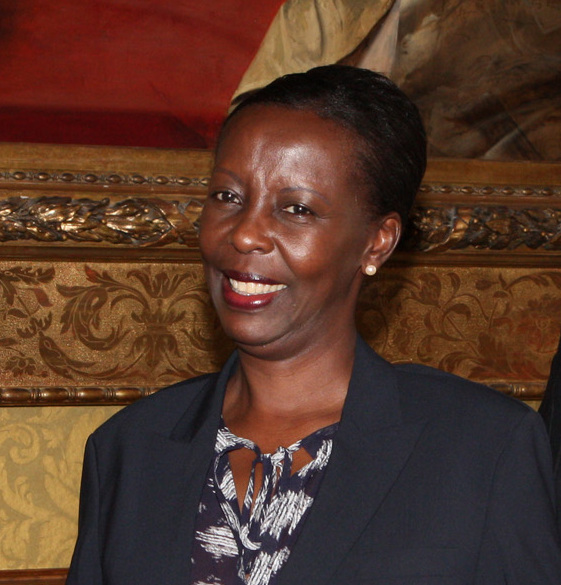
A: The present Secretary General of the Organisation internationale de la Francophonie is Louise Mushikiwabo since 2019.
Q: Who coined the term Francophonie and in what year?
A: The term Francophonie was coined by the French geographer Onésime Reclus in 1880.
Related articles
Author
AlegsaOnline.com Organisation internationale de la Francophonie (OIF) Leandro Alegsa
URL: https://en.alegsaonline.com/art/73098
Sources
- iepf.org : Brochure: L’Institut de l’énergie et de l’environnement de la Francophonie
- iepf.org : IEPF
- atlas.nrcan.gc.ca : Atlas of Canada: The Francophonie