
Organisation of Islamic Cooperation: purpose, structure, and activities
An overview of the Organisation of Islamic Cooperation (OIC): its purpose, history, membership, structure, main activities and notable characteristics.
The Organisation of Islamic Cooperation (OIC) is a multilateral international organisation that represents the collective voice of the Muslim world. Established in 1969 in the wake of the Al‑Aqsa disturbances, it brings together more than fifty countries with sizeable Muslim populations to promote cooperation in political, economic, social, cultural and scientific affairs. The OIC describes itself as dedicated to safeguarding the interests and well‑being of Muslims and to defending their rights and dignity in the international arena.
Image gallery
5 Images


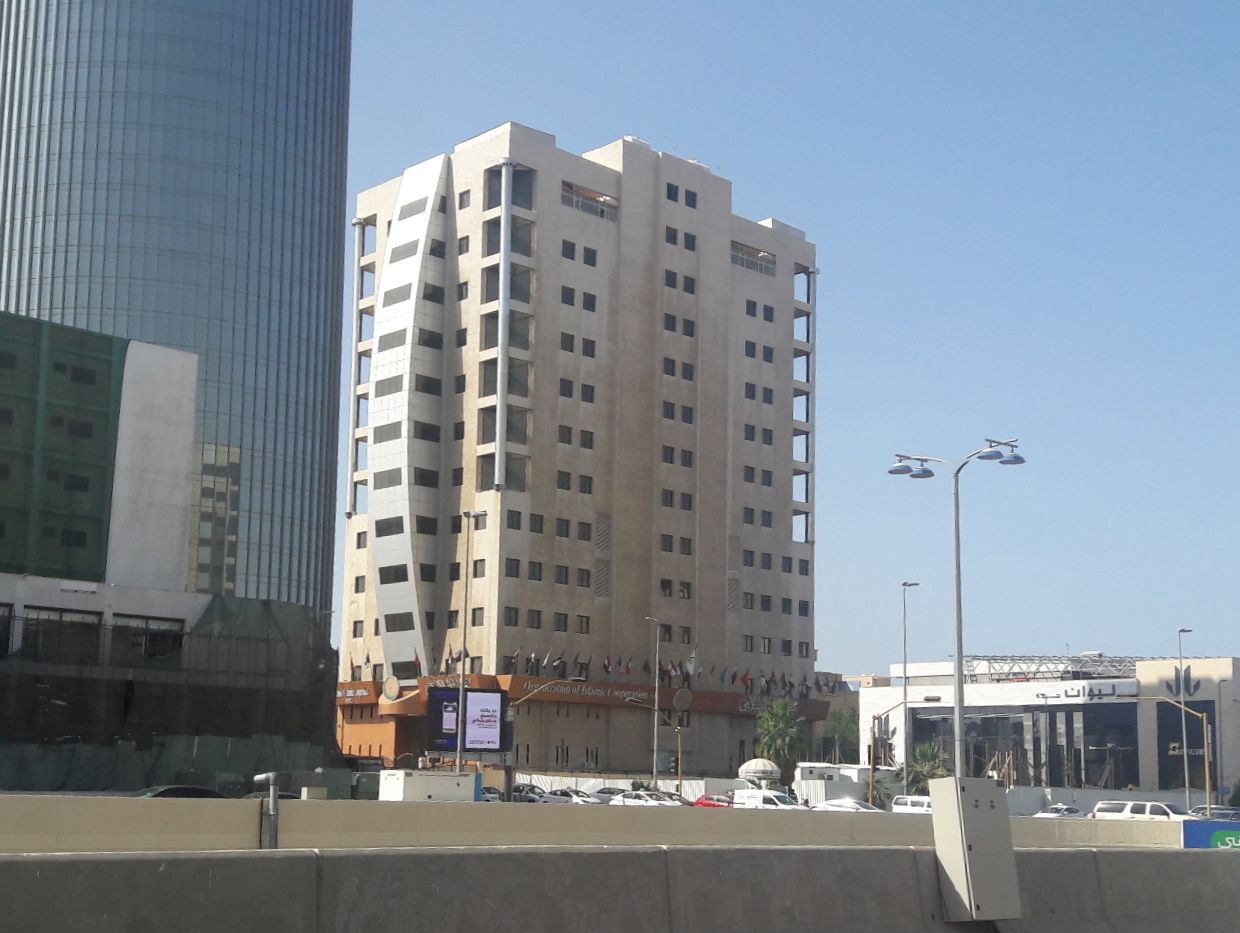

Purpose and main functions
The OIC's stated aims include fostering solidarity among member states, coordinating policies on issues affecting Muslim communities worldwide, and supporting economic and social development. It operates through diplomatic engagement, collective statements, and specialised agencies and committees. The organisation maintains a permanent delegation to the United Nations and engages with other international bodies to represent member concerns.
Structure and organisation
The OIC's central bodies include the Islamic Summit (heads of state or government), the Council of Foreign Ministers, and the General Secretariat, which is headquartered in Jeddah, Saudi Arabia. The General Secretariat is led by a Secretary‑General responsible for day‑to‑day management. There are also numerous subsidiary organs and specialised institutions addressing issues such as cultural cooperation, economic development, humanitarian aid, and scientific collaboration.
Membership and official languages
The organisation has grown from its original membership of about two dozen states to more than fifty member states; commonly cited figures list 57 member countries across Asia, Africa and beyond, with several observer entities. The OIC adopts a range of working languages to reflect its membership and diplomatic practice, including Arabic, English, French, Persian and Turkish.
Activities and areas of work
OIC activities span a broad spectrum. Key areas include:
- Political coordination and collective diplomacy on conflicts, the rights of Muslim minorities and international law.
- Economic cooperation, trade facilitation, and development initiatives among member states.
- Cultural, educational and scientific programmes intended to strengthen ties and preserve cultural heritage.
- Humanitarian assistance and disaster relief delivered through specialised OIC agencies and partner organisations.
History, name change and notable aspects
The OIC was founded in 1969 and initially called the Organisation of the Islamic Conference. On 28 June 2011 it adopted the present name, Organisation of Islamic Cooperation, to reflect a broader emphasis on collaborative work. Over the decades the organisation has issued joint communiqués, convened summits and deployed mediation efforts on regional crises. It is recognised as one of the larger intergovernmental bodies in terms of membership and geographic scope. Like many international organisations, it faces challenges balancing diverse national interests and addressing criticism over effectiveness in some policy areas.
For readers seeking further information on specific organs, programmes or recent resolutions, consult OIC official publications and reputable analyses of international organisations and Middle Eastern affairs. The OIC remains an important forum through which predominantly Muslim states coordinate positions and pursue common objectives on the international stage.
Related articles
Author
AlegsaOnline.com Organisation of Islamic Cooperation: purpose, structure, and activities Leandro Alegsa
URL: https://en.alegsaonline.com/art/73099
Sources
- state.gov : "Special Envoy to the Organisation of the Islamic Conference (OIC)"
- pakobserver.net : OIC changes name, emblem