
Commissioner for Philately and Scripophily (Soviet organization)
Soviet-era agency created in 1922 to oversee stamps and collectible securities; coordinated philatelic activity, managed sales of collectibles abroad, and served cultural and fiscal functions under Feodor Chuchin.
The Organisation of the Commissioner for Philately and Scripophily was a Soviet administrative body established in Moscow in 1922 by the All‑Russian Central Executive Committee (VTsIK). It combined two collecting fields—philately (the study and collecting of postage stamps) and scripophily (the collecting of bonds and share certificates)—under one state office responsible for regulation, preservation and commercial disposition of philatelic and security items.
Image gallery
3 Images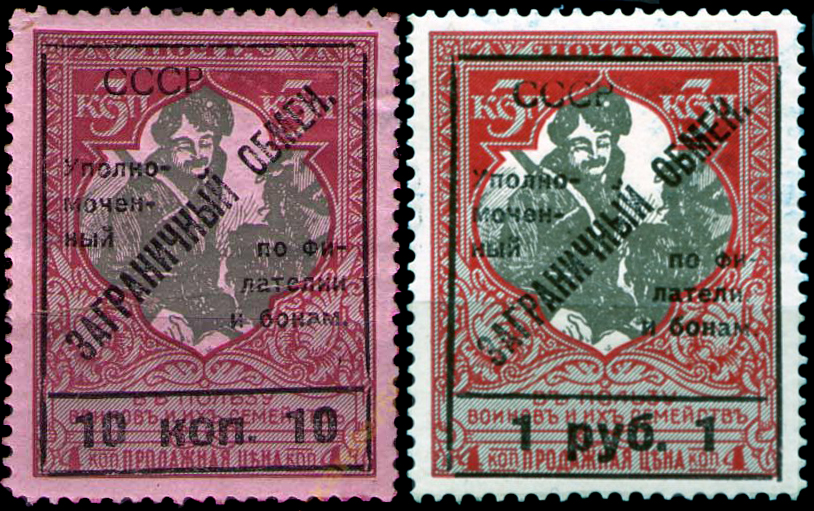


Role and activities
The office served several overlapping functions: it catalogued and conserved public and private holdings of stamps and securities, supervised official sales to collectors, and coordinated exhibitions and publications that promoted collecting as both a cultural pastime and a source of foreign exchange. Its practical tasks included valuation, authentication and the organization of sales channels domestically and internationally.
- Regulation of the philatelic trade and issuance oversight.
- Acquisition, conservation and sale of historic bonds, certificates and stamps.
- Promotion of collecting through exhibitions, bulletins and collaborations with specialist societies.
Context and significance
Formed in the aftermath of revolutionary upheaval and civil war, the commissioner’s office reflected the Soviet government’s interest in centralizing cultural assets and exploiting collectible items as a controllable source of revenue. Selling stamps and obsolete securities to foreign collectors was one way to obtain hard currency during a period of economic reconstruction. At the same time, the office sought to shape collecting practices to align with state policies and to preserve material evidence of the nation’s postal and financial history.
Leadership and later developments
The organisation was led by Feodor Chuchin, an Old Bolshevik who became identified with Soviet philatelic and scripophilic activity. Under his direction the office established procedures for cataloguing and commercial outreach. As Soviet administrative structures evolved, the responsibilities of the commissioner were eventually absorbed into other state institutions and agencies concerned with postal services, cultural property and foreign trade.
For readers seeking primary references or further reading, see contemporaneous notices of the body’s creation in Moscow via Moscow archives, general material on philately and related collecting fields, and biographical or archival entries concerning Feodor Chuchin.
Questions and answers
Q: What is the Organisation of the Commissioner for Philately and Scripophily?
A: The Organisation of the Commissioner for Philately and Scripophily is an organisation established in Moscow in 1922 by the All-Russian Central Executive Committee (VTsIK).
Q: What is the purpose of the Organisation of the Commissioner for Philately and Scripophily?
A: The purpose of the Organisation of the Commissioner for Philately and Scripophily is to deal with matters related to philately and bonds.
Q: Who headed the Organisation of the Commissioner for Philately and Scripophily?
A: An old Bolshevik named Feodor Chuchin headed the Organisation of the Commissioner for Philately and Scripophily.
Q: What is the role of Feodor Chuchin in the history of the Organisation of the Commissioner for Philately and Scripophily?
A: Feodor Chuchin is known to have headed the Organisation of the Commissioner for Philately and Scripophily, thereby playing a significant role in its establishment and management.
Q: What is philately?
A: Philately is the study of stamps and postal history.
Q: What are scripophily?
A: Scripophily refers to the collecting of stock and bond certificates.
Q: When was the Organisation of the Commissioner for Philately and Scripophily established?
A: The Organisation of the Commissioner for Philately and Scripophily was established in Moscow in 1922 by the All-Russian Central Executive Committee (VTsIK).
Related articles
Author
AlegsaOnline.com Commissioner for Philately and Scripophily (Soviet organization) Leandro Alegsa
URL: https://en.alegsaonline.com/art/73100
Sources
- cabdirect.cab.semcs.net : "The socialist construction of philately in the early Soviet era"
- jstor.org : Comparative Studies in Society and History
- worldcat.org : 0010-4175
- dx.doi.org : 10.1017/S0010417500019770 · webcitation.org · webcitation.org