
Concert hall: function, design, history, and notable examples
An introduction to concert halls: what they are, their acoustic and architectural features, history of purpose-built halls, common uses, and famous examples worldwide.
Overview
A concert hall is a space designed primarily for the performance of music, especially large-scale works and ensemble repertoire such as orchestral and choral concerts. The term may refer either to the performance room itself or to the entire building that contains it. Typical components include a stage for performers and an auditorium for the audience. Halls host a range of concerts and frequently present programs of classical music, though many also accommodate jazz, contemporary, and crossover genres.
Image gallery
10 Images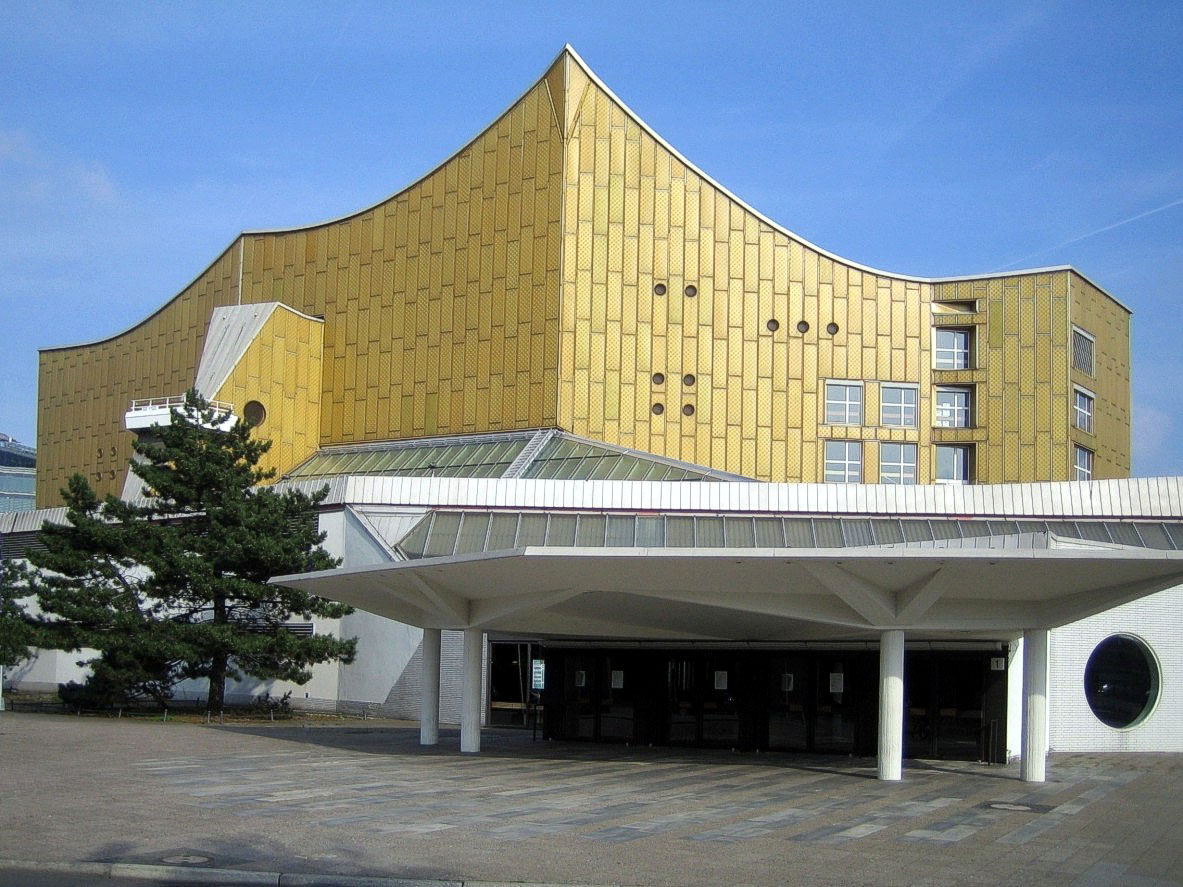


Key characteristics and parts
Concert halls are organized to support clear sound transmission, visual sightlines, and audience comfort. Fundamental elements include the stage, acoustic shell or canopy, seating areas, and backstage facilities. Designers consider materials, room shape, and volume to shape sound. The relationship between performers and listeners is critical: seating layouts, balcony placement, and stage projection all affect how well an audience perceives dynamics, balance, and timbre.
- Stage: sized to accommodate an orchestra, choir, or soloists.
- Auditorium: fixed or flexible seating, raked floors, and acoustic treatments.
- Acoustic systems: surfaces, diffusers, and reflectors tuned to improve acoustics.
- Support spaces: rehearsal rooms, lobbies, and technical infrastructure.
History and development
Early public musical venues evolved from courtrooms, churches, and civic halls. The idea of purpose-built concert halls—structures designed from the outset for musical performance—became more widespread around the early 20th century as scientific study of sound informed architectural choices. Advances in materials and a better understanding of reverberation, clarity, and warmth shaped the modern concert hall. Historic venues were often adapted from existing buildings, while later projects were planned with acousticians collaborating closely with architects.
Uses, programming, and distinctions
Concert halls present symphony concerts, opera excerpts, chamber music, educational events, and recordings. Smaller spaces specialized for intimate performances are commonly called recital or chamber halls and are tuned for chamber music and solo recitals. Some halls feature movable seating or adjustable acoustic elements so they can host dance, amplified events, or community functions. Programming can range from traditional repertoire to premieres and interdisciplinary collaborations.
Famous examples and notable facts
Across the world certain halls are celebrated for architecture, history, or sound. Examples often cited in popular reference include London's Royal Albert Hall and the intimate Wigmore Hall; New York's cultural scene is closely associated with sites in New York such as Carnegie Hall. Continental Europe is home to landmarks like the Berliner Philharmonie, Leipzig's Gewandhaus, and Amsterdam's historic Concertgebouw. Each of these venues illustrates a different balance of architectural ambition, acoustic priorities, and civic role.
Design priorities and contemporary trends
Modern concert hall projects emphasize accessibility, variable acoustics, and audience experience while maintaining acoustic excellence. Technological advances allow for adjustable reverberation and improved sound reinforcement for specific repertoire. Sustainability and multiuse capability are increasingly important, so new halls often combine performance quality with community outreach spaces, education facilities, and flexible staging. This balance aims to keep the concert hall relevant as a place for both artistic excellence and public engagement.
Why concert halls matter
Beyond hosting performances, concert halls play a cultural and social role: they preserve and present musical traditions, support local and visiting artists, and serve as landmarks for civic identity. Good hall design can elevate a performance, making nuances audible and preserving the emotional impact of live music. Whether historic or newly built, a successful concert hall brings together architecture, engineering, and artistry to create shared musical experience.
Questions and answers
Q: What is a concert hall?
A: A concert hall is a place where concerts of classical music take place. It can either refer to the actual room where the concerts takes place, or the whole building.
Q: Are all concert halls purpose-built?
A: No, some concert halls may have been something else many years ago, such as a Corn Exchange, and then later changed into a concert hall. Purpose-built concert halls started around the beginning of the 20th century.
Q: What type of seating do most purpose-built concert halls have?
A: Most purpose-built concert halls usually have fixed seating (seats that cannot be moved). Some halls may have seats that can be moved, either by stacking them in small piles or tiered seating that can fold up.
Q: What is a recital hall?
A: A recital hall is a small concert hall designed for just a few performers (as in chamber music).
Q: Are there any famous Concert Halls?
A: Yes, there are several famous Concert Halls around the world including The Royal Festival Hall in London, The Barbican Centre in London, The Royal Albert Hall in Kensington, The Wigmore Hall in London, Carnegie Hall in New York City, Vienna Musikverein with its Golden Hall in Vienna and Berliner Philharmonie and Gewandhaus in Germany. In Amsterdam there is also the Concertgebouw ("concert hall").
Related articles
Author
AlegsaOnline.com Concert hall: function, design, history, and notable examples Leandro Alegsa
URL: https://en.alegsaonline.com/art/22384