
Ostinato: repeated musical patterns and their uses
An ostinato is a short melodic, harmonic or rhythmic pattern repeated persistently. This article explains types, history, examples, notation and how it differs from related devices.
Overview: In music, an ostinato is a short motif or pattern—melodic, harmonic or rhythmic—that is deliberately repeated without substantial change. The term comes from the Italian word for "obstinate," reflecting the pattern's persistent return. Plural forms include ostinati and ostinatos. An ostinato can underpin a brief passage, a whole section, or even an entire composition, functioning as a unifying thread that supports contrasting material above it.
Image gallery
10 Images


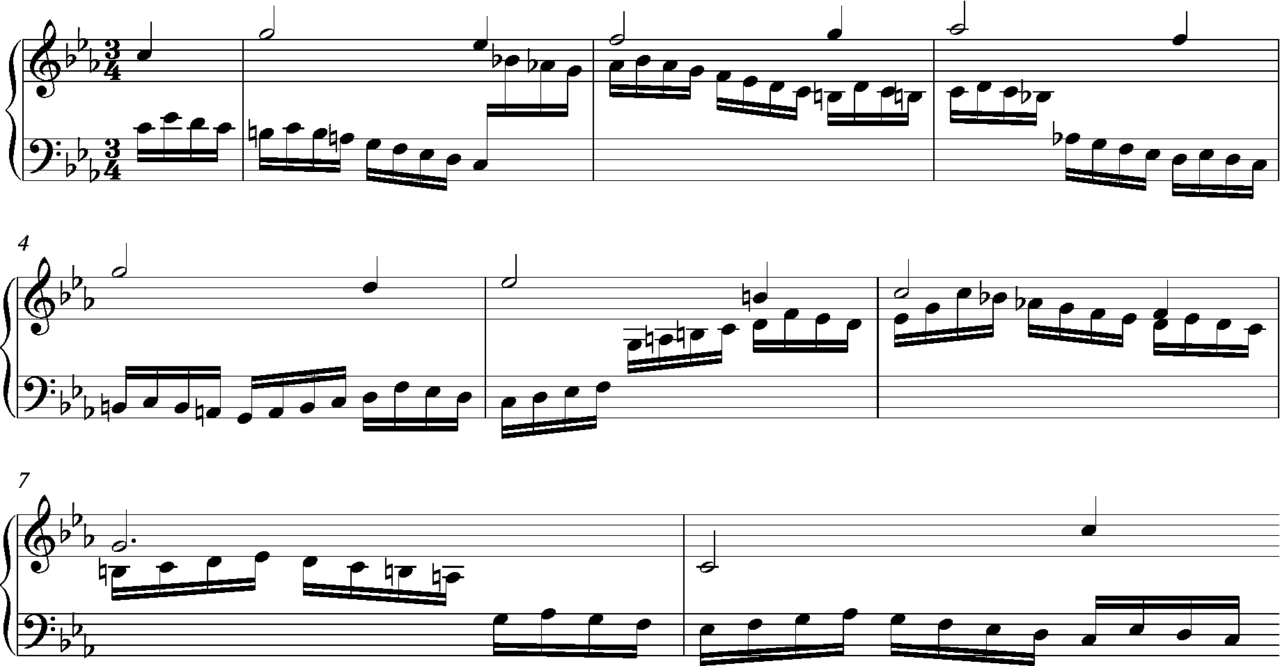


Characteristics and common forms
Ostinati vary by what they repeat and where they sit in the texture. Typical varieties include:
- Rhythmic ostinato: a repeating rhythmic cell that may be independent of pitch. Often used in dance music and modern orchestral writing; see the recurring pattern in Boléro as a well known orchestral example.
- Melodic ostinato: a short tune repeated at the same pitch or transposed, heard across many genres from folk to film scores.
- Basso ostinato (ground bass): a persistent bass line that repeats while chords and melodies above it change—common in Baroque forms such as the chaconne and passacaglia.
History and development
Patterns resembling ostinati have existed in many musical traditions. In the Baroque era composers exploited the basso ostinato in variations and didactic works; a familiar example of a repeating bass-driven progression appears in Pachelbel's Canon in D. Folk and non-Western musics often rely on repeated cells for dance, ritual and accompaniment. In the 20th century, minimalist composers emphasized gradual transformation of repeated figures, while jazz and popular styles used riffs and grooves that function like ostinati.
Examples and genres that use ostinato
Many musical styles employ ostinato techniques:
- Classical and orchestral works: the insistent 5/4 motive in Holst's Gustav Holst movement "Mars" uses a repeated rhythmic cell to create momentum.
- Popular and rock music: bass and guitar riffs that loop for verses and grooves—Pink Floyd's "Money" features a distinctive repeating pattern.
- Jazz and blues: short repeating figures or ostinato-like vamps support improvisation and ensemble interplay, similar in role to a riff in small-group settings or big bands.
- Traditional and African musics: layered repeating patterns create polyrhythms and cyclical forms; these practices are related to West African rhythmic organization and have influenced popular genres such as boogie-woogie and modern dance styles.
Ostinati also appear in contemporary electronic music, hip-hop and film scoring, where loops and sampled patterns serve the same structural purpose as older repeated cells.
How to identify and use an ostinato
To spot an ostinato, listen for a short cell that recurs with little variation. In notation it is often written as a repeated bar or bracketed figure; composers may indicate repetition with repeat signs or text cues. When composing or arranging, an ostinato can provide rhythmic drive, harmonic grounding or a hook for listeners—its persistence makes it useful for creating tension, groove and cohesion.
Distinctions and notable points
Although related to devices such as the rhythmic ostinato and the jazz riff, ostinati are a broader category that can be melodic or harmonic as well as rhythmic. They differ from through-composed material that avoids exact repetition. In pedagogical references and score annotations you may find the term used interchangeably with "riff," "vamp," or "loop," depending on style and context.
For further reading on forms and examples, consult general references and editions that collect works with ground basses, chaconnes and famous ostinati, and follow performance notes for idiomatic treatment in different genres.
Questions and answers
Q: What is an ostinato in music?
A: An ostinato in music is a short pattern of notes that is repeated several times throughout a song or piece of music.
Q: Where does the word "ostinato" come from?
A: The word "ostinato" is related to the word obstinate.
Q: Can an ostinato last for the whole piece of music?
A: Yes, an ostinato can last for a section of a piece or it might last for the whole piece of music.
Q: What is a ground bass or basso ostinato?
A: A ground bass, or basso ostinato, is an ostinato pattern in the lowest notes, which keeps playing while the melodies in the higher notes change, often used in baroque musical works.
Q: Give an example of a piece of music that uses a ground bass.
A: An example of a piece of music that uses a ground bass is Canon in D by Pachelbel.
Q: What is a rhythmic ostinato?
A: A rhythmic ostinato is just a repeated rhythm.
Q: Give an example of a piece of popular music that uses an ostinato.
A: An example of a piece of popular music that uses an ostinato is Pink Floyd's "Money".
Related articles
Author
AlegsaOnline.com Ostinato: repeated musical patterns and their uses Leandro Alegsa
URL: https://en.alegsaonline.com/art/73443