
Origins of the Blues: Roots, Development, and Musical Characteristics
A concise examination of the blues’ gradual emergence, African and American roots, musical traits (call-and-response, blue notes, 12-bar form), regional development, and cultural legacy.
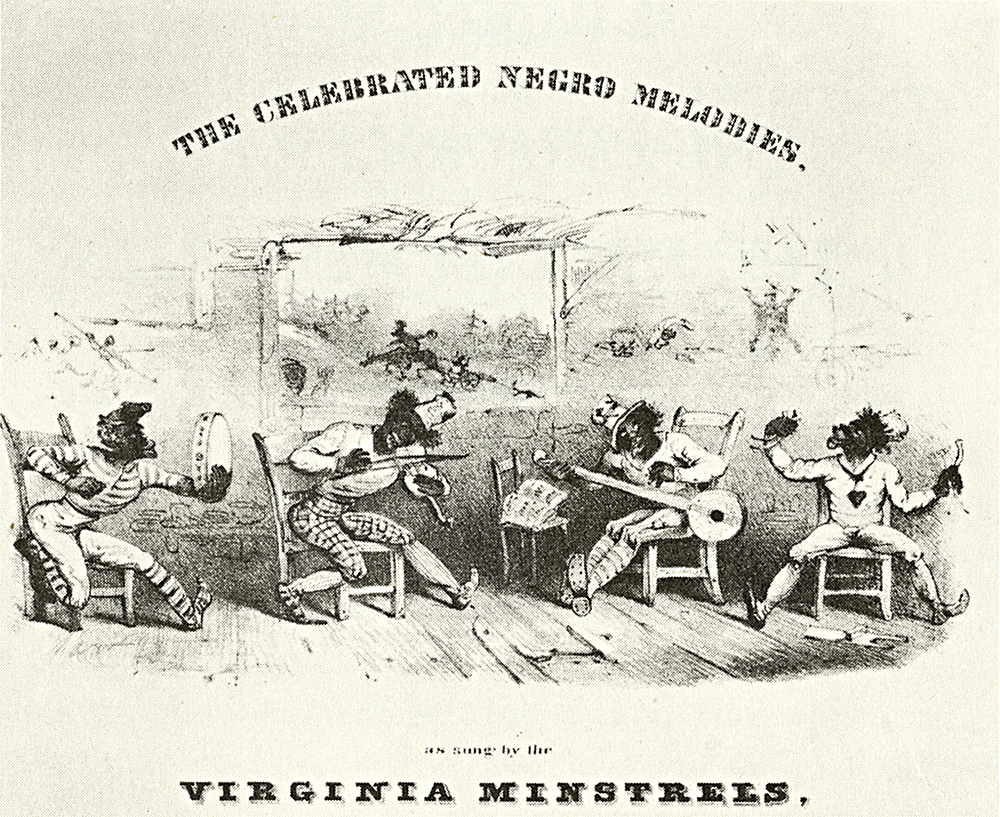
The blues is not a music of a single moment but a tradition that emerged gradually from the meeting of African musical practices and North American social conditions. Ethnomusicologists trace many of its defining features to West and Central African song and rhythm, while its recognizable shape took form in the southern United States among African American communities. Because the style evolved over decades, sources differ about precise beginnings; for an overview of scholarly discussion see further reading.
Image gallery
5 Images


Roots in Africa and the Americas
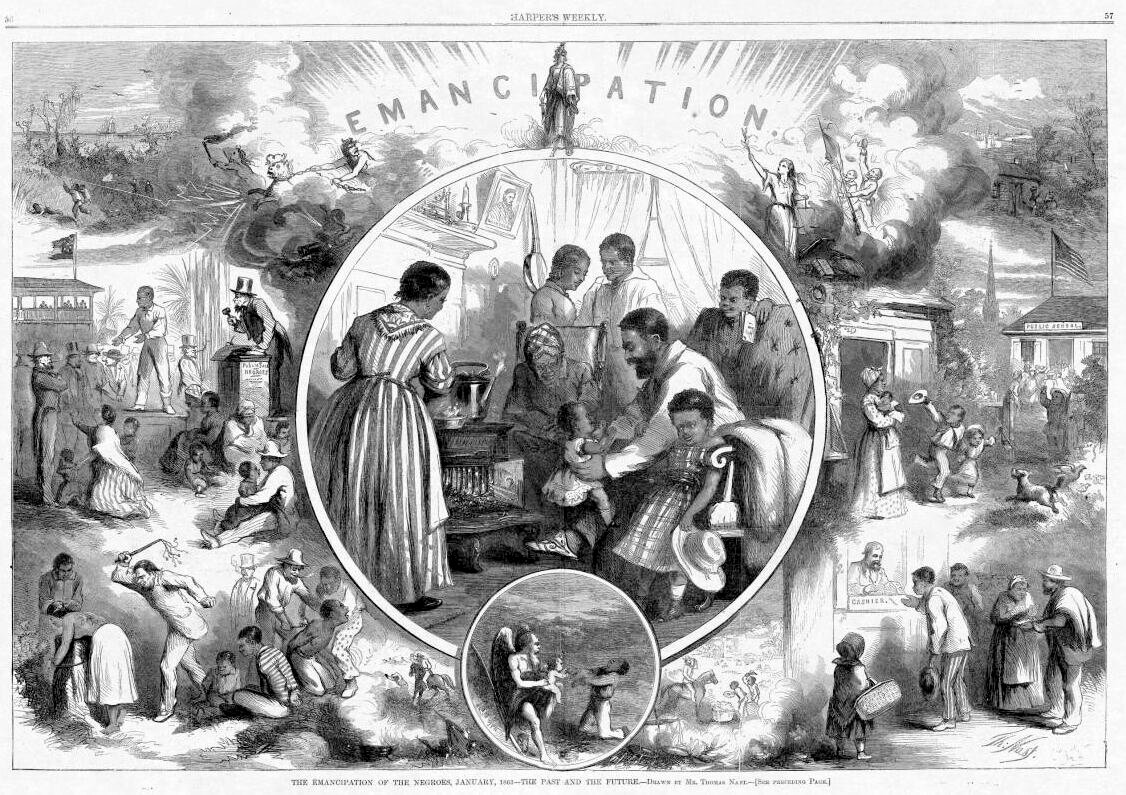
Many elements associated with the blues — flexible pitch, cyclical phrasing, strong rhythmic drive and a preference for expressive solo voice — have parallels in African musics. Enslaved and free Black people in North America preserved and adapted vocal techniques and social practices, creating spirituals, work songs and field hollers. These formats often used a call-and-response approach and improvised vocal ornamentation, characteristics that carried into early blues singing. An early documentary note from 1901 describes work songs and solo refrains in Mississippi that resemble later blues forms and themes (historical note).
Musical characteristics and form
Although the blues resists a single definition, several musical traits recur across styles. Typical features include:
- Melodic inflection known as "blue notes," produced by microtonal lowering of certain scale degrees and often approximated on voice, guitar or harmonica; see discussions of the blue scale.
- Phrase structure often organized into three-line patterns, commonly realized in the 12-bar blues: three four-bar phrases that create a predictable harmonic cycle.
- A call-and-response dynamic between singer and instruments or between a lead line and ensemble, a performance practice with deep African connections (call-and-response).
- Expressive techniques such as bent pitches, slides, and rhythmic looseness that emphasize emotional immediacy.
Development, regions and instruments
The blues took on distinct regional characters as it spread. Rural Delta styles developed around slide guitar and raw vocal delivery. Urban centers, especially where Black populations grew in the early 20th century, saw amplification and ensemble arrangements that produced city blues, which influenced jazz, rhythm and blues, and eventually rock and roll. Common instruments include acoustic and electric guitar, harmonica (harp), piano, and later bass and drum kits; each setting emphasized different timbres and ensemble roles.
Themes, uses and legacy
Lyrically, blues songs frequently address life’s hardships, personal loss, desire and resilience, using vivid imagery and a conversational voice. The form’s adaptability allowed it to serve as personal confession, social commentary, dance music and popular entertainment. Over the 20th century the blues became a foundational influence on many modern genres and continues to be studied and performed worldwide. For introductions and listening guides, see recommended summaries and archival resources (archival note, scale primer).
Questions and answers
Q: What is the origin of the blues?
A: The origin of the blues is not known for certain, but ethnomusicologist Gerhard Kubik traces many of its elements back to the African continent.
Q: When was an early mention of the blues made?
A: An early mention of the blues was made in 1901 by an archaeologist in Mississippi who described songs with lyrical themes and technical elements similar to those found in modern blues music.
Q: What are some common characteristics shared by most styles of African American music?
A: Common characteristics shared by most styles of African American music include a call-and-response style without accompaniment or harmony and a lack of formal musical structure.
Q: How did slaves bring their musical traditions to North America?
A: Slaves brought their musical traditions to North America through spirituals and work songs, which were sung to the rhythm of working. These songs typically included a vocal call and response, or where one lead drummer makes a beat and then others respond to it.
Q: How many beats are there in each bar in most blues songs?
A: Most blues songs have four beats per bar.
Q: What form do most blues songs use?
A: Most blues songs use the 12 bar blues form which uses three phrases, each four bars long.
Q:What scale is often used for playing Blues music ?
A:The blue scale is often used for playing Blues music .
Related articles
Author
AlegsaOnline.com Origins of the Blues: Roots, Development, and Musical Characteristics Leandro Alegsa
URL: https://en.alegsaonline.com/art/73143
Sources
- sephisemagazine.org : Our Homage To A Great Master - Ali Farka Toure