
Order of Lenin
Highest civilian and state decoration of the Soviet Union, awarded for outstanding service to the state, military merit, scientific and cultural achievements, and fostering peace and cooperation.
Overview
The Order of Lenin was the premier decoration of the Soviet Union, instituted to honor exceptional service to the state and society. Named for Vladimir Lenin, it recognized a broad range of achievements: leadership, bravery, economic and scientific innovation, cultural contributions, and efforts to strengthen international friendship and peace.
Image gallery
6 Images


Criteria and recipients
Awarded to both individuals and collective entities, the Order of Lenin could be conferred on civilians, members of the armed forces, government bodies, enterprises, military units, institutions, and occasionally foreign citizens. Typical grounds for the award included:
- Outstanding services to the state and society;
- Exemplary military service or acts of heroism;
- Major achievements in science, technology, industry, agriculture or culture;
- Contributions to international friendship, cooperation and peace.
Design and appearance
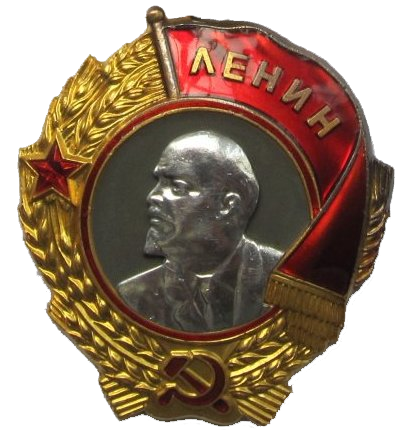
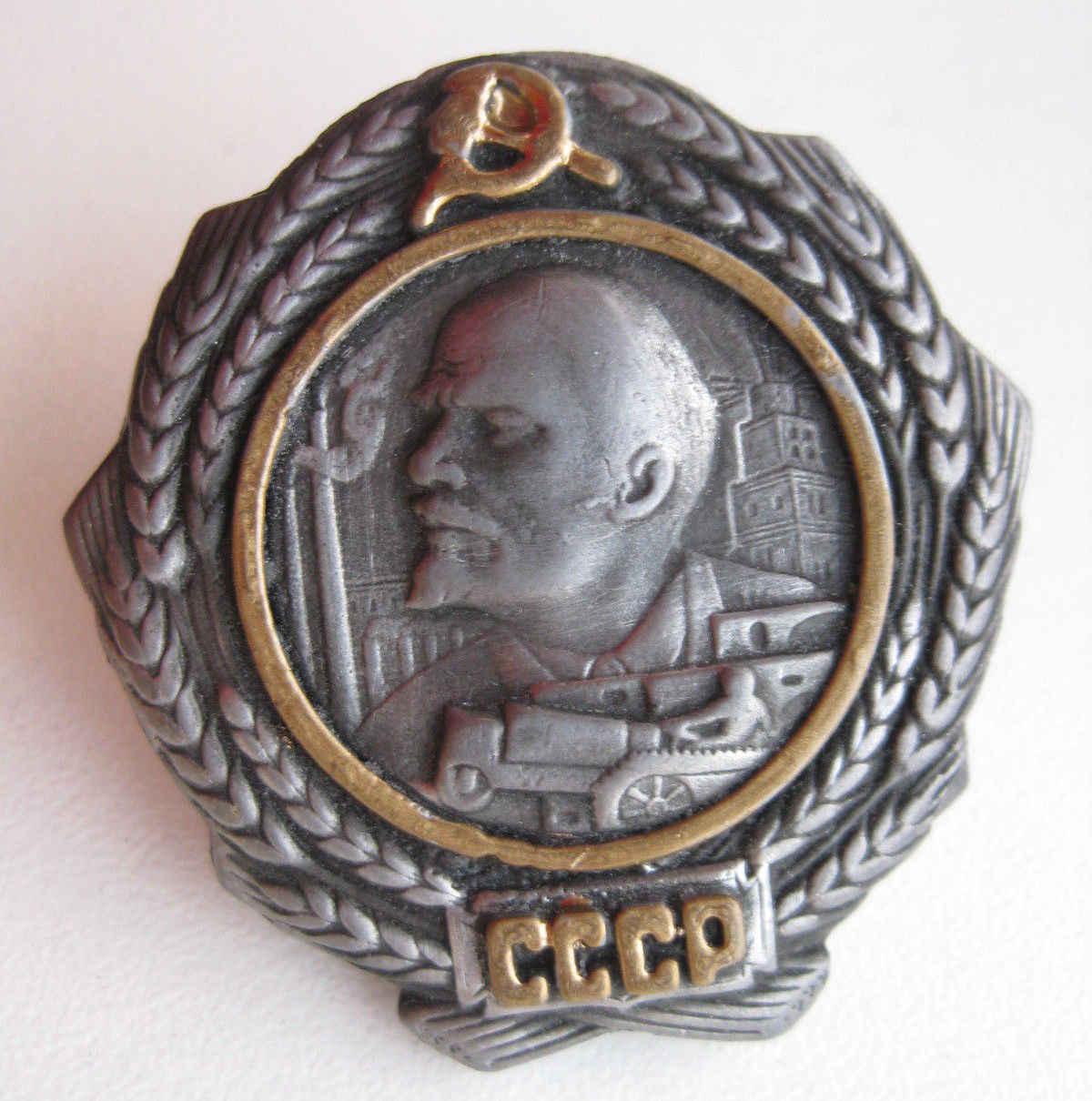
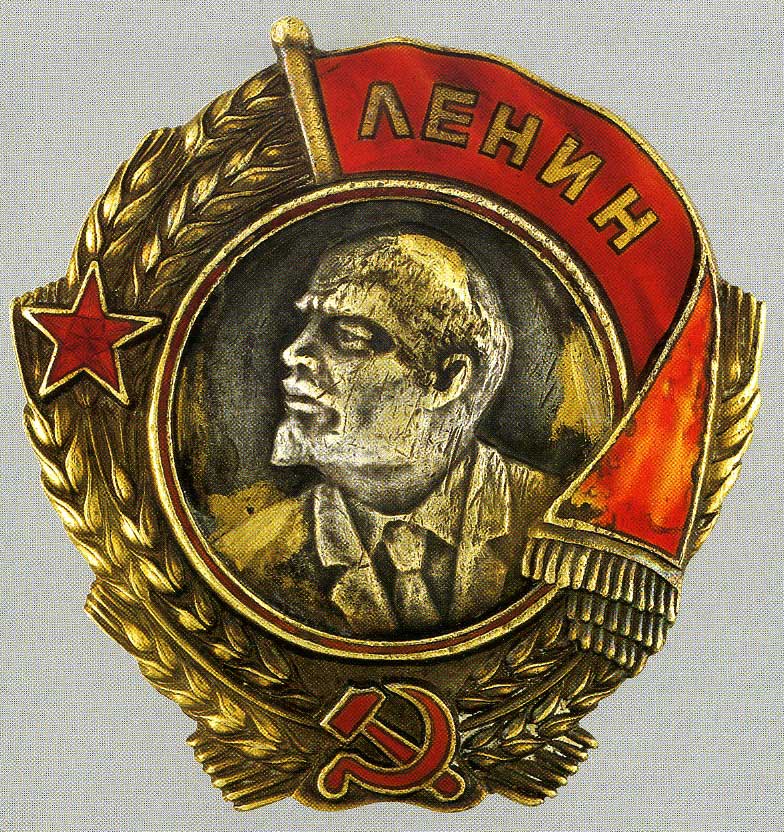
The badge typically featured a portrait of Lenin at its center, set against red enamel elements and framed by symbols such as a laurel wreath and the hammer and sickle. It was produced in precious and base metals with enamel work and was suspended from a ribboned mount. Over time there were a few design variations and special versions for institutions or repeated awards.
History and development
Established by the Central Executive Committee in April 1930, the Order of Lenin became the most prestigious Soviet award. It remained in use through the Soviet period and was bestowed repeatedly as the regime recognized both wartime heroism and peacetime accomplishments. The decoration ceased to be issued following the dissolution of the Soviet state in 1991.
Importance and legacy
Beyond individual recognition, the Order of Lenin served as a visible symbol of Soviet values and priorities: industrialization, military readiness, scientific progress and internationalist rhetoric. Many prominent citizens and organizations received it multiple times, and it continues to be a subject of study for collectors, historians and museums interested in 20th‑century state honours.
Notable distinctions
- It was the highest Soviet order and often accompanied other awards for particularly significant deeds.
- Awardable repeatedly to the same recipient and to non-person entities, distinguishing it from many national honours that apply only to individuals.
Related articles
Author
AlegsaOnline.com Order of Lenin Leandro Alegsa
URL: https://en.alegsaonline.com/art/73006