
Daimyo — Japan’s feudal territorial lords
Daimyō were Japan’s regional feudal lords who ruled domains, commanded samurai, and shaped politics from the Heian era through the Meiji Restoration before their domains were abolished.

Image gallery
8 Images


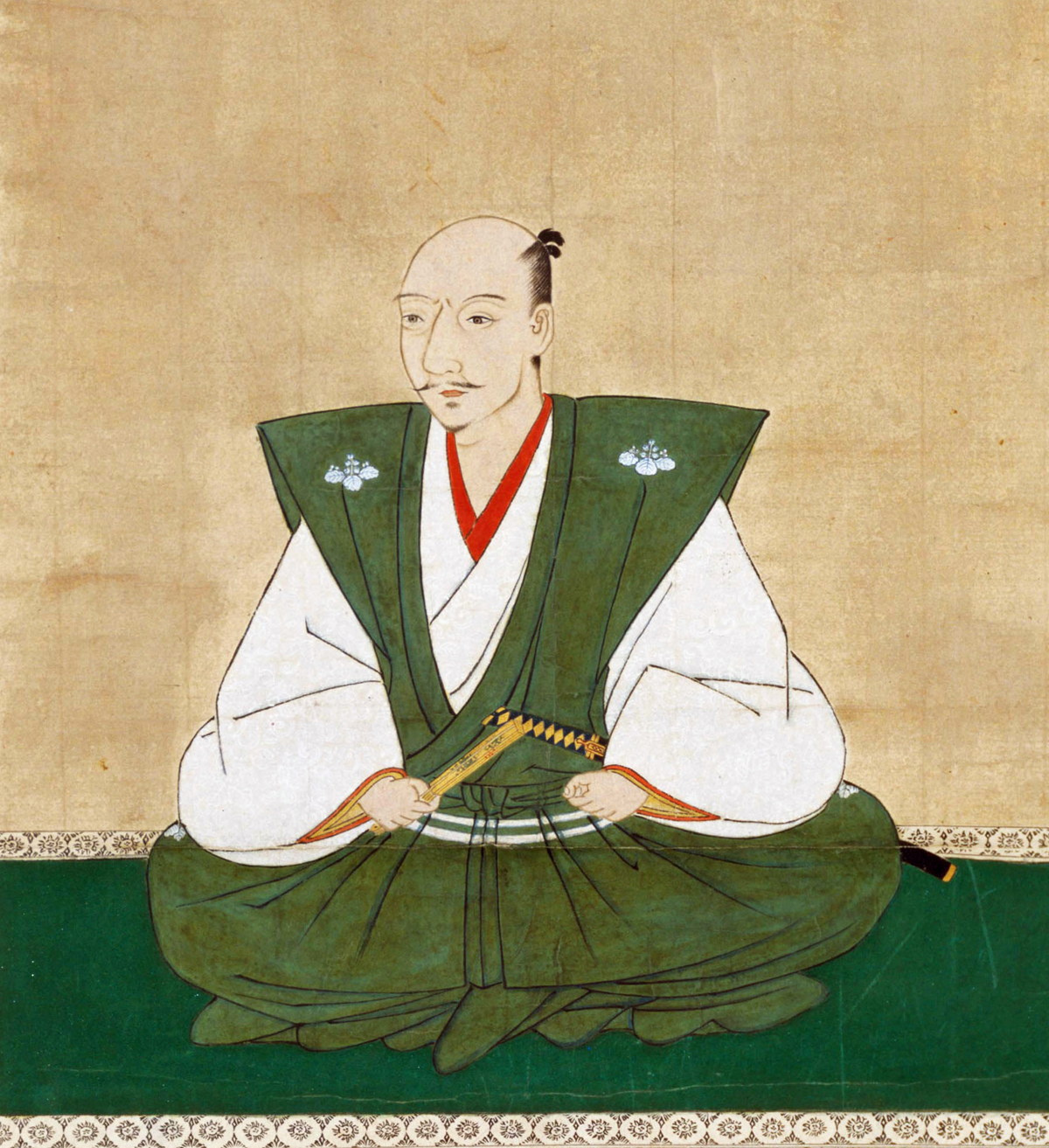


Origins and historical role
Local magnates began consolidating authority as imperial power waned; by the medieval era they were recognized as daimyo. During the Sengoku (warring states) period many daimyo expanded their domains through warfare, alliances and marriage. Unifiers such as Oda, Toyotomi and Tokugawa reduced chaos by bringing daimyo under stronger overlordship, while still allowing them to govern their domains. For general background see early Japanese history.
Organization, obligations and classifications
Daimyo ruled units commonly called han, supported by samurai vassals and village administrators who collected taxes and maintained order. Under Tokugawa rule the shogunate imposed systems to limit independent action: obligations included military support, attendance at the shogun’s court, and residence rules that enforced loyalty. Daimyo came to be categorized into groups such as fudai (hereditary allies), tozama (outside lords) and relatives of the shogun; these distinctions affected rank, marriage prospects and political trust.
- Economic base: land and rice assessments funded retainers.
- Military role: commanded samurai and local troops.
- Administrative role: governed law, markets and infrastructure.
To maintain control, the Tokugawa instituted the alternate attendance system and required daimyo to spend time in the capital; hostages and inspections reduced rebellion. Over time many daimyo fostered castle towns that became centers of commerce and culture. For more on institutions and law see feudal systems and shogunal authority.
The daimyo era effectively ended in the years around the Meiji Restoration when domains were abolished and former lords were integrated into a modern state structure. Their legacy survives in Japan’s castles, urban layouts, family records and in discussions of decentralization, governance and samurai culture. Further reading and resources are available through general histories and specialized studies at research collections.
Related articles
Author
AlegsaOnline.com Daimyo — Japan’s feudal territorial lords Leandro Alegsa
URL: https://en.alegsaonline.com/art/25122