
Oceanography: The Science of the Seas and Marine Environment
Oceanography is the multidisciplinary study of the ocean—its physics, chemistry, biology, geology, methods, history, and applications from climate to resource management.
Overview
Oceanography, also known as marine science or oceanology, examines the world ocean as a complex, dynamic system. It encompasses the study of seawater and its movements, the seafloor and coastal margins, and the living organisms that inhabit marine environments. Modern oceanography links observations from ships, buoys and satellites with laboratory experiments and computer models to understand processes at scales from local to global. For a concise entry point see fundamental ocean properties.
Image gallery
10 Images




Major branches
The field is commonly divided into several interrelated disciplines. Each focuses on different components but overlaps in methods and goals:
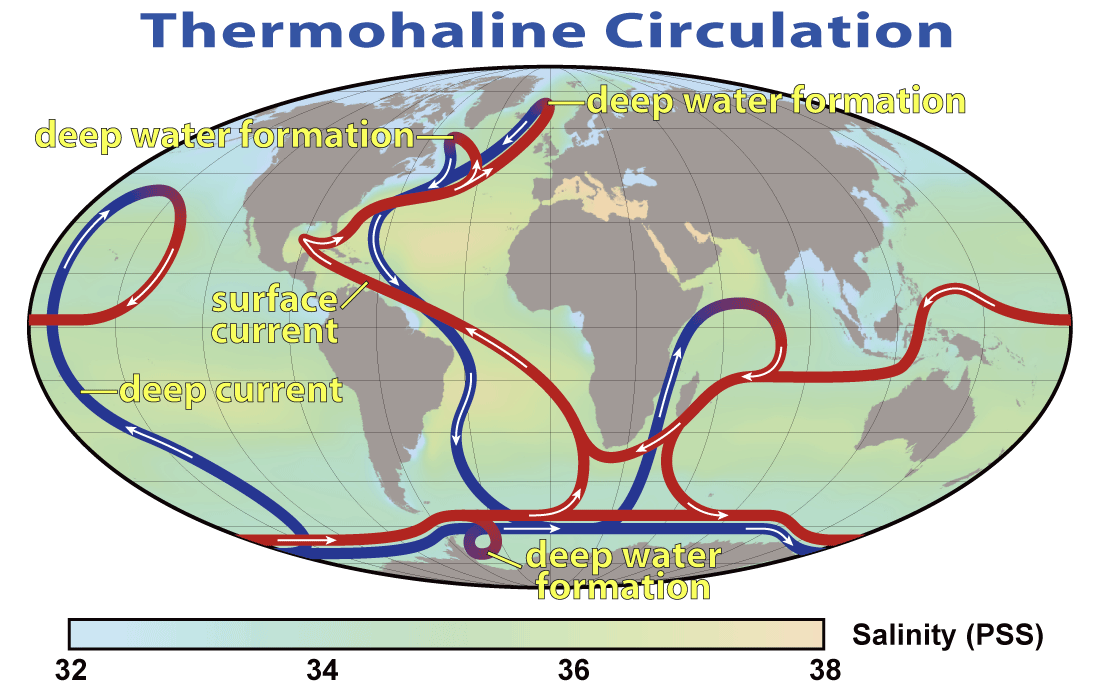
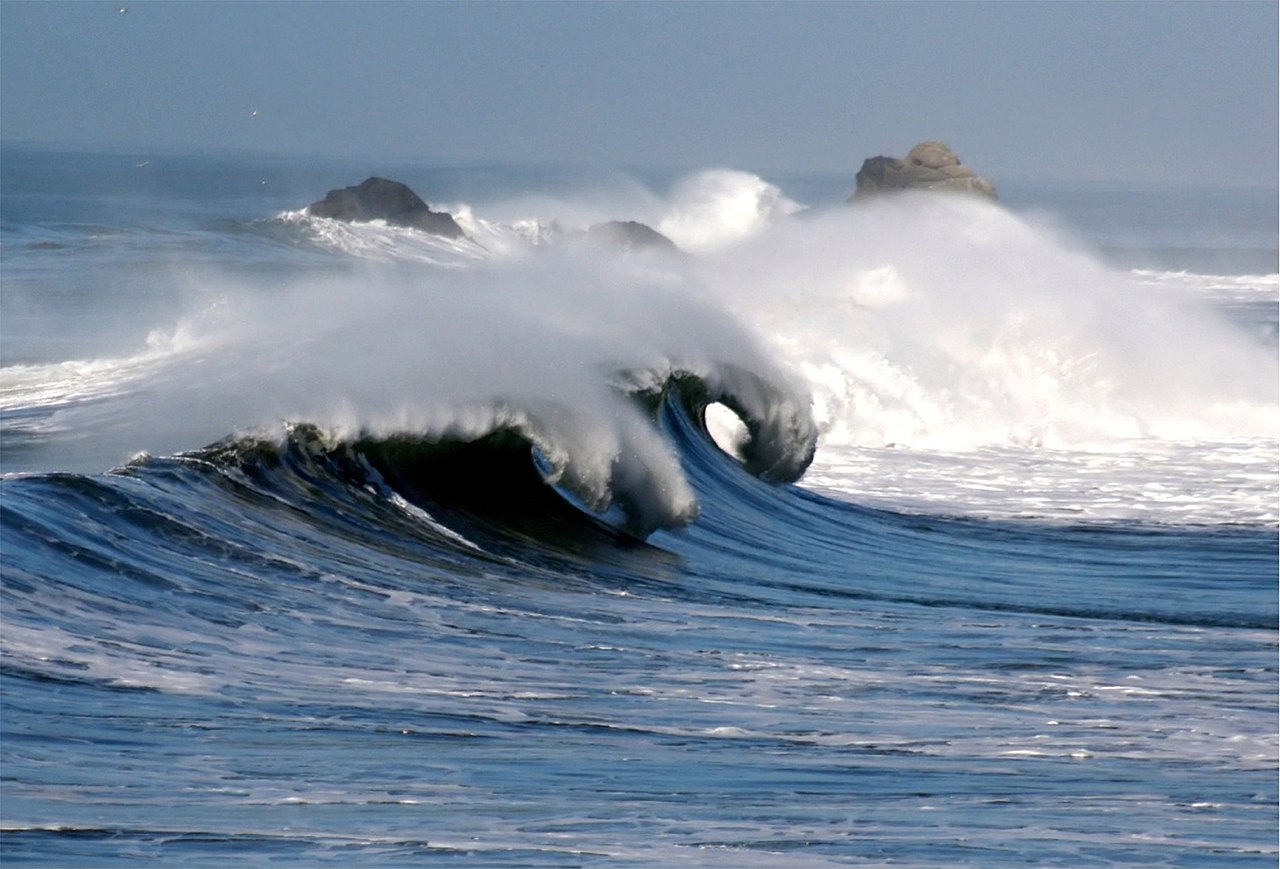
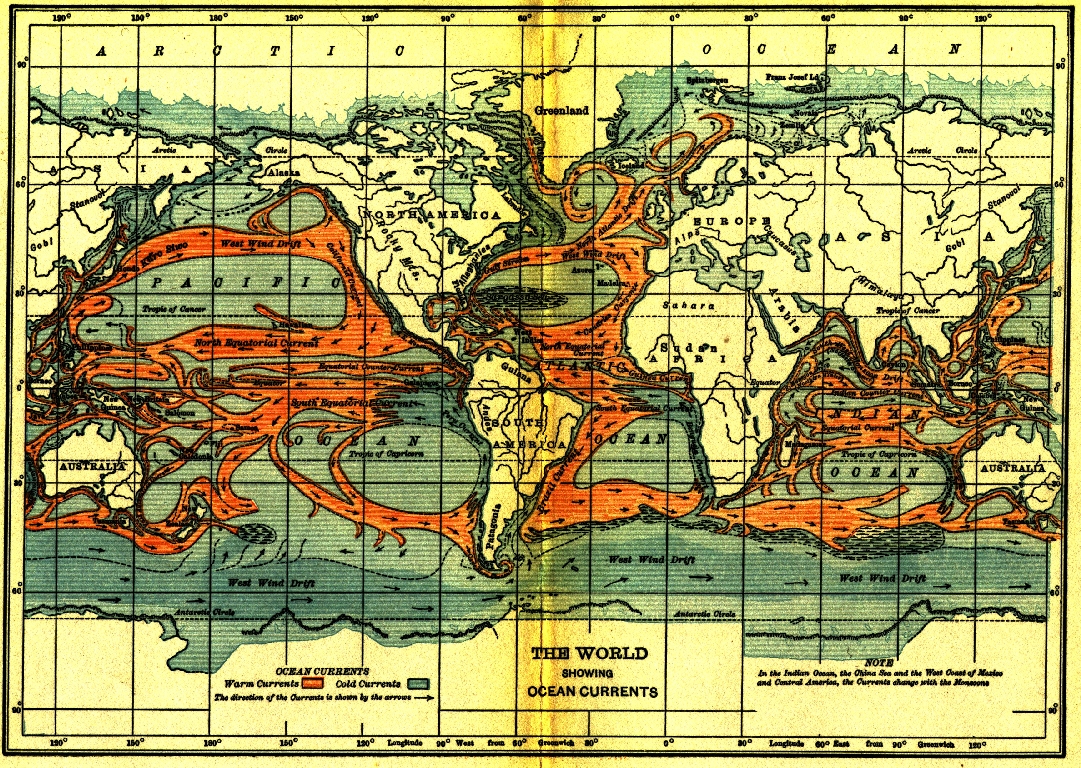
- Physical oceanography — studies currents, waves, tides, and heat transport that shape weather and climate.
- Chemical oceanography — examines seawater composition, nutrient cycles, and pollutants.
- Biological oceanography — investigates marine organisms, food webs, and ecosystems; see research on marine life.
- Geological (or marine geology) — maps and interprets the geography and structure of the ocean floor, sedimentary processes, and plate interactions.
Methods and tools
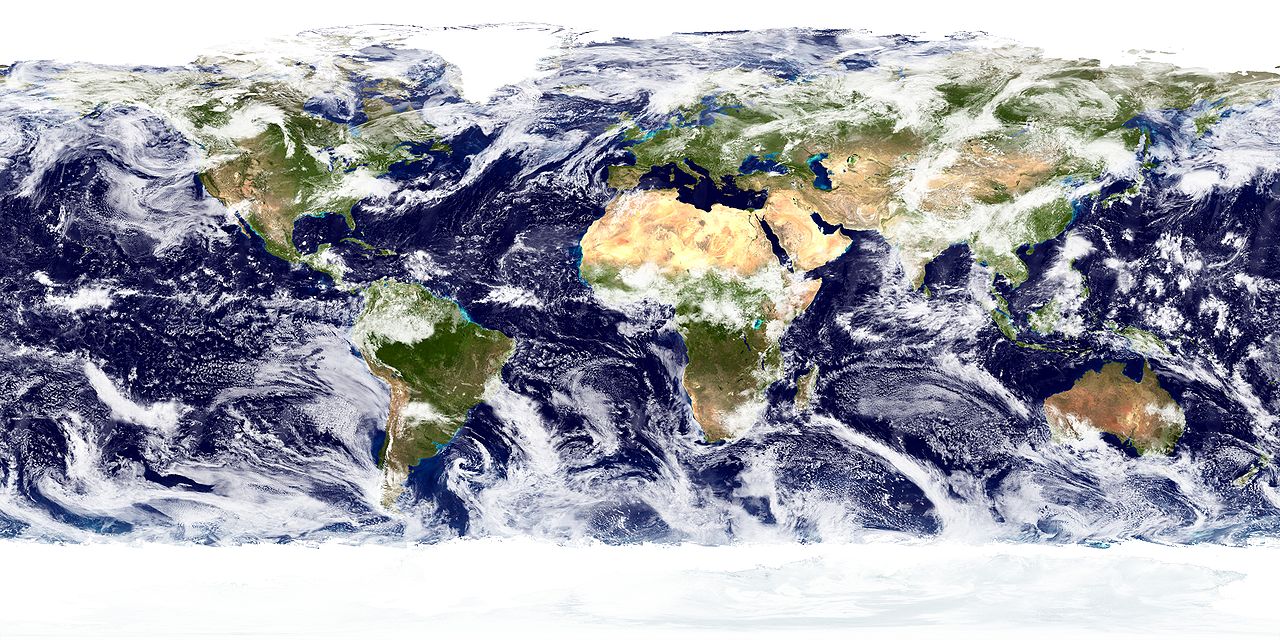
Oceanographers use a mix of in situ and remote techniques. Research platforms range from research vessels and coastal stations to autonomous underwater vehicles and moored sensors. Satellite remote sensing delivers large-scale surface data, while ship-based sampling and submersibles reveal small-scale processes. Long-term observational arrays and coupled computer models are central to understanding change over years to decades. The field is inherently multidisciplinary, integrating physics, chemistry, biology, geology, and engineering.
History, importance, and applications
Systematic ocean study accelerated in the 19th and 20th centuries with expeditionary surveys and later with technological advances in sonar, chemistry, and satellite observation. Oceanography is vital for climate science, fisheries management, coastal planning, navigation, and hazard assessment such as storm surge and tsunami risk. It also informs resource use—from fisheries to offshore energy—and international policy on marine conservation and pollution control.
Contemporary challenges and future directions
Key challenges include understanding and predicting ocean-driven climate variability, assessing impacts of warming and acidification on ecosystems, and balancing human use with conservation. Emerging priorities emphasize sustained observations, improved models, and interdisciplinary collaboration to support resilient coastal communities and healthy marine environments.
Related articles
Author
AlegsaOnline.com Oceanography: The Science of the Seas and Marine Environment Leandro Alegsa
URL: https://en.alegsaonline.com/art/71856