
Ojos del Salado: Highest Active Volcano and Second-Highest Peak in the Americas
Discover Ojos del Salado, a 6,893 m stratovolcano on the Chile–Argentina border — the highest active volcano on Earth and the Americas' second-highest peak, famed for extreme aridity and high-altitude climbing.
Ojos del Salado rises to 6,893 metres (22,615 ft) and is a prominent stratovolcano of the Andes range. Straddling the frontier between Chile and Argentina, it is generally recognized as the highest active volcano on Earth and ranks as the second-highest mountain in the Americas.
Image gallery
8 Images


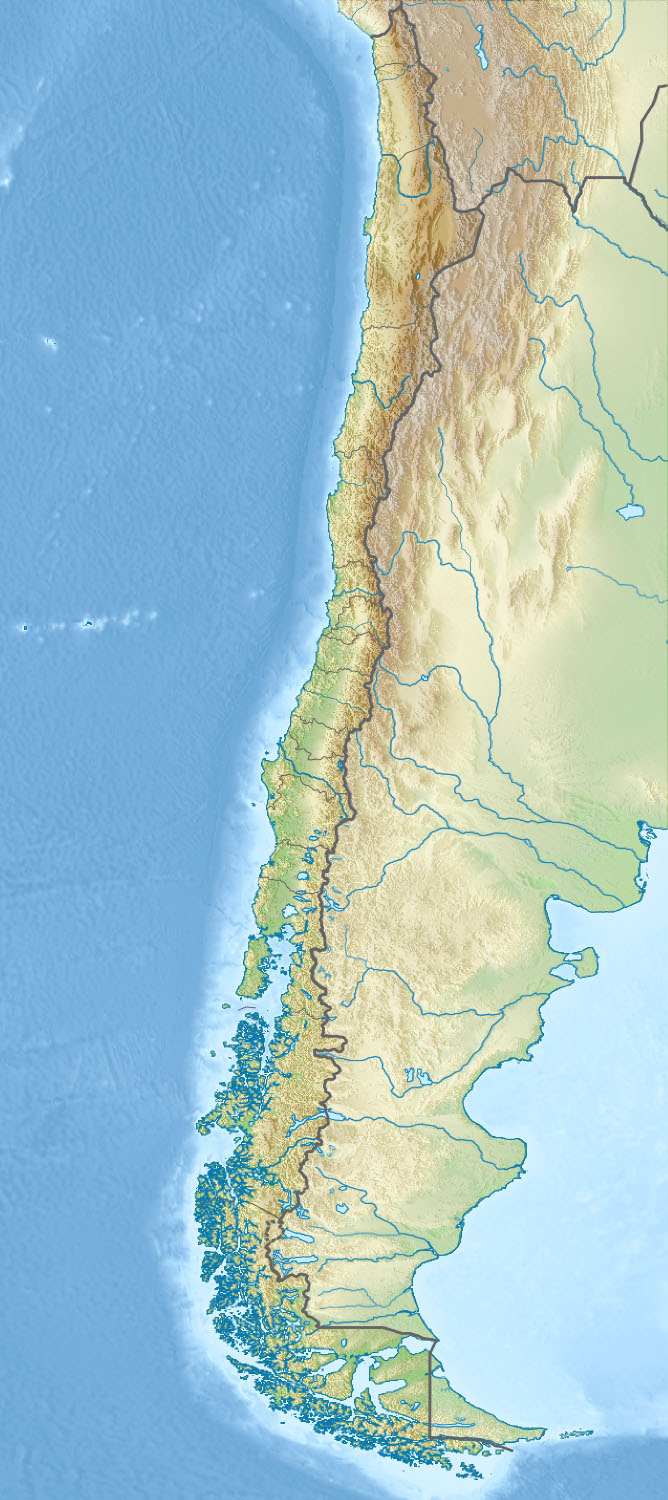
Location and physical characteristics
Ojos del Salado is part of the high, dry Cordillera section of the central Andes. Its summit area is notable for extreme aridity and strong solar radiation. The volcano has a broad, steep-sided cone typical of stratovolcanoes and dominates the surrounding landscape, with long-distance views across both countries on clear days.
Geology and volcanic activity
The edifice consists mainly of andesitic to dacitic volcanic rocks. Although there are fumaroles and other geothermal manifestations in the region, there are no well-documented historical eruptions. Scientists classify Ojos del Salado as active because of these ongoing thermal phenomena and Holocene eruptive deposits identified by geological studies.
Human history and mountaineering
The first recorded ascent of the summit was made in 1937 by the Polish climbers Justyn Wojsznis and Jan Szczepański. Since then the peak has become a destination for experienced high-altitude mountaineers. Routes approach from both the Chilean and Argentine sides; climbs are influenced by the high elevation and the mountain’s extremely dry climate rather than heavy snowfall.
Environment
The mountain sits within one of the driest regions on Earth, and permanent ice and snow are limited to small cirques and patches at the highest elevations. Vegetation is sparse and adaptations to cold and aridity characterize the local ecosystems. Wildlife is scarce near the summit, with most animal life found at lower elevations.
Quick facts
- Elevation: 6,893 m (22,615 ft)
- Location: border of Chile and Argentina
- Volcano type: stratovolcano
- Notable records: highest active volcano; second-highest peak in the Americas
- First recorded ascent: Justyn Wojsznis and Jan Szczepański, 1937
Related articles
Author
AlegsaOnline.com Ojos del Salado: Highest Active Volcano and Second-Highest Peak in the Americas Leandro Alegsa
URL: https://en.alegsaonline.com/art/72175
Sources
- peakbagger.com : "Ojos del Salado, Argentina/Chile"
- volcano.si.edu : "Nevados Ojos del Salado"
- peakware.com : "Ojos del Salado"
- summitpost.org : "Ojos del Salado"
- wikidata.org : wikidata.org/wiki/Q233836
- d-nb.info : 4408245-9
- aleph.nkp.cz : ge876370
- viaf.org : 248707531
- worldcat.org : 248707531