
Oatmeal: types, preparation, nutrition, and culinary uses
Overview of oatmeal: its common forms, methods of preparation, nutritional profile, culinary uses and cultural notes, plus distinctions between varieties and serving ideas.
Overview
Oatmeal is a porridge made from processed oats and eaten worldwide in a wide range of hot and cold preparations. Commonly served at breakfast, it is valued for its mild flavor, warming texture, and versatility. The term "oatmeal" may describe both the prepared dish and the ground grain used to make it, depending on context.
Image gallery
10 Images


Common varieties
Oats are processed into several distinct forms that affect cooking time and texture. Typical forms include:
- Oat groats — whole oat kernels with only the hull removed; the least processed form.
- Steel-cut oats — groats chopped into small pieces; they yield a chewy, nutty porridge.
- Rolled (old-fashioned) oats — steamed and flattened; they cook faster and give a creamier texture.
- Quick and instant oats — more finely processed for rapid cooking; often used in convenience packets.
Preparation and common uses
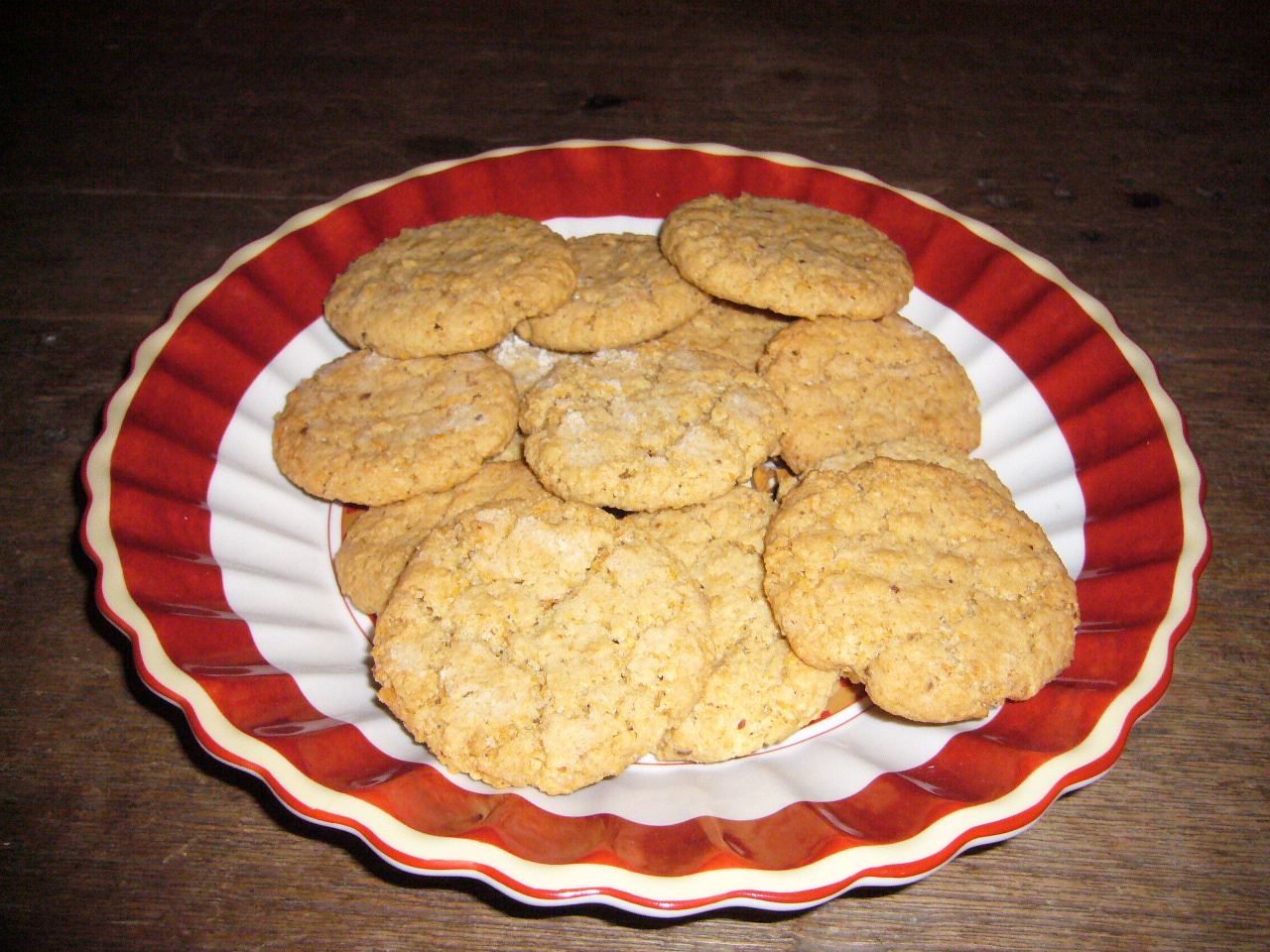
Basic oatmeal is made by simmering oats in water, milk, or a combination until the desired consistency is reached. Preparations vary from long-simmered steel-cut oats to microwave-ready instant options. Oatmeal is a canvas for many additions — fruit, nuts, seeds, spices, sweeteners, and dairy or non-dairy milks. Beyond breakfast porridge, oats are used in baking (cookies, breads), as a binder in savory dishes, and as a crunchy topping for casseroles or baked fruit.
Nutrition and health
Oats are valued for their whole-grain content and soluble fiber, including beta-glucan. These fibers contribute to a feeling of fullness and are associated with supporting healthy blood cholesterol levels and digestive regularity. Oats also provide plant-based protein, vitamins, and minerals; they are commonly recommended as part of a balanced diet.
History and cultural notes
Oats have been cultivated in temperate regions for centuries and became a staple in northern Europe and elsewhere where the grain grows well. Porridges made from oats or similar grains appear in many culinary traditions and have evolved into regionally distinct dishes.
Practical distinctions and tips
Choosing among oat types depends on time and texture preferences: steel-cut for chewiness, rolled for creaminess, instant for speed. Flavorings such as cinnamon, fruit compotes, honey, or savory toppings like eggs and vegetables broaden oatmeal's uses. For more ideas on serving and recipes, see breakfast recipes and guides.
Related articles
Author
AlegsaOnline.com Oatmeal: types, preparation, nutrition, and culinary uses Leandro Alegsa
URL: https://en.alegsaonline.com/art/71652